

You step outside, ready to embrace the day, only to discover that a bird has left an unwelcome gift on your favorite shirt. It’s frustrating, isn’t it?
Bird poop on clothing is not just unsightly; it can also be challenging to remove if not addressed quickly. But don’t worry, you’re not alone in this. Many of us have faced the same sticky situation. You’ll discover simple, effective methods to remove bird droppings from your clothes, ensuring they look as good as new.
Stick with us, and you’ll not only save your favorite pieces from stains, but also gain peace of mind knowing you can tackle this mess anytime it strikes. Ready to learn how to make your clothes spotless again? Let’s dive in!

Credit: www.amazon.ca
Assess The Stain
Assessing the stain is the first crucial step in cleaning bird poop from clothes. Proper evaluation helps choose the right cleaning method. It prevents damage and improves stain removal success. Take a moment to examine the fabric and the stain’s condition closely.
Check Fabric Type
Look at the garment’s label to find the fabric type. Different fabrics need different care. Delicate materials like silk or wool require gentle cleaning. Cotton and polyester can handle stronger treatments. Knowing the fabric helps avoid shrinking or color fading.
Identify Stain Freshness
Notice if the bird poop stain is fresh or dried. Fresh stains are easier to remove. Dried stains might need soaking or scrubbing. If the stain is old, it could have set deep into fibers. Treating the stain quickly leads to better results.
Credit: www.westmarine.com
Pre-treat The Stain
Pre-treating the stain is a crucial step to tackle bird poop on your clothes effectively. The quicker you act, the easier it will be to remove the stain completely. Let’s break down how to prepare the affected area before washing.
Remove Excess Debris
Start by gently scraping off any solid bits with a spoon or a dull knife. Be careful not to press the stain deeper into the fabric. If you skip this, the debris can spread or set further during washing.
Did you know that dampening the stain slightly can make debris removal easier? A little cold water softens the mess without fixing the stain permanently. This small trick saved a favorite shirt of mine from permanent damage once.
Apply Stain Remover
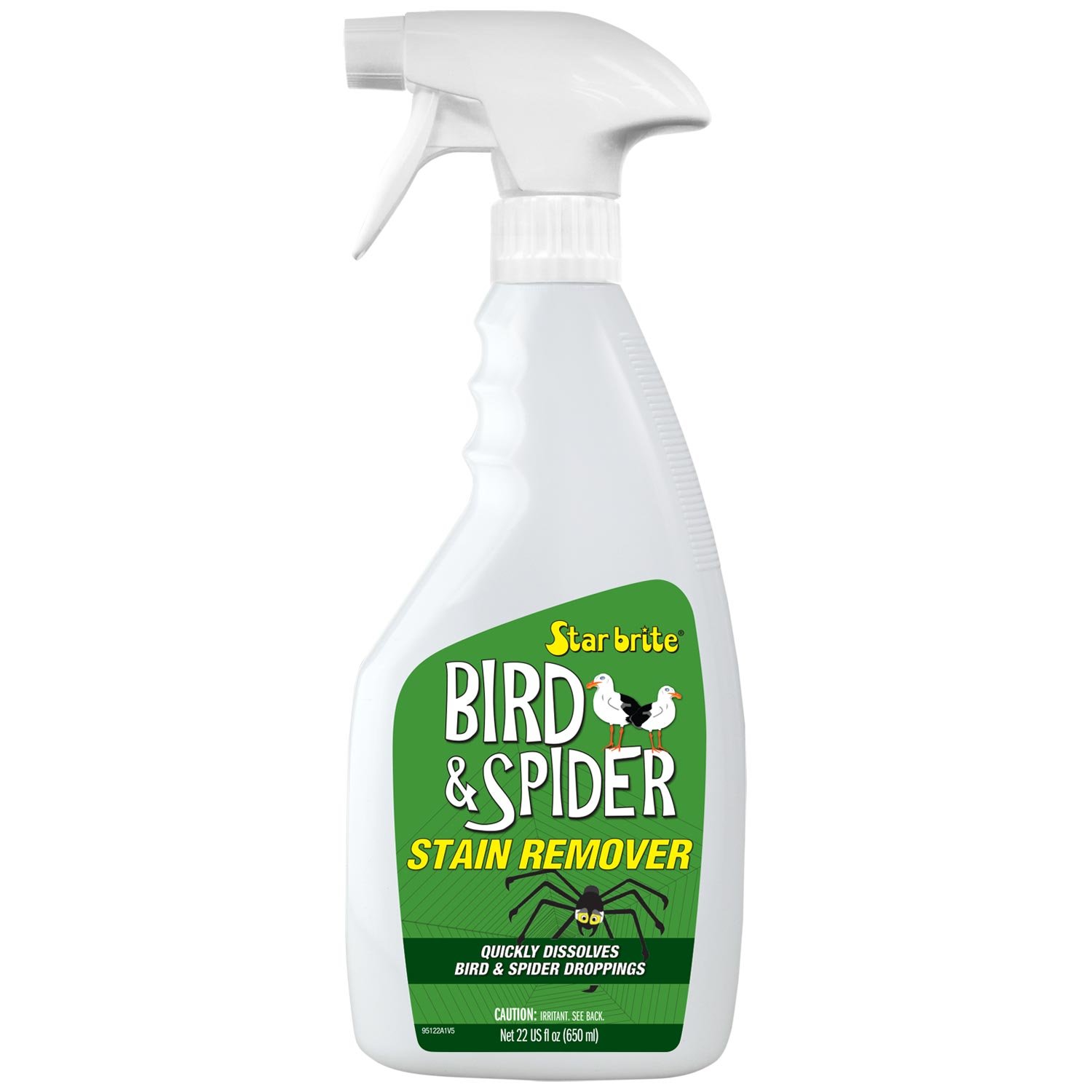
Next, apply a stain remover directly to the affected area. Choose one designed for protein-based stains, as bird droppings contain proteins that can be stubborn. Let the remover sit for at least 10 minutes to break down the stain.
Don’t have a commercial stain remover? Mix a small amount of liquid detergent with water to create a paste. Gently rub it into the stain with your fingers or a soft brush. This simple DIY solution often works just as well and is ready at home.
Have you ever noticed how some stains seem to disappear after pre-treatment but return if you skip this step? Pre-treating ensures deeper cleaning and saves your clothes from repeated washing and fading.
Wash The Clothing
Washing the clothing properly removes bird poop stains and odors effectively. It also protects fabric fibers and keeps clothes looking fresh. Follow these tips to wash your stained clothes safely and thoroughly.
Choose The Right Detergent
Pick a detergent made for stain removal. Look for one with enzymes that break down organic stains like bird droppings. Use a liquid detergent for better penetration into fabric fibers. Avoid powdered detergents, as they may leave residue on clothes.
For delicate fabrics, choose a gentle detergent designed for sensitive materials. This prevents damage during washing. Always check the detergent label for instructions and fabric compatibility.
Select Proper Water Temperature
Water temperature affects how well stains wash out. Use cold or warm water to avoid setting the stain permanently. Hot water can cook the stain into the fabric, making it harder to remove.
Cold water works best for delicate or colored clothes. Warm water suits white or heavily stained fabrics. Follow the garment care label for the best temperature advice. Adjust settings on your washing machine accordingly.
Dry And Inspect
After treating bird poop stains on clothes, drying and inspecting the fabric is crucial. This step helps determine if the stain is fully removed or if more care is needed. Proper drying also prevents setting the stain permanently.
Air Dry Vs. Machine Dry
Air drying is gentler on fabrics and helps avoid setting stains. Hang your clothes in a well-ventilated area, away from direct sunlight. Machine drying can shrink or damage clothes if the stain is not fully gone. Use a low heat setting if machine drying is necessary. Air drying is safer for delicate fabrics and stubborn stains.
Repeat Treatment If Needed
Inspect the dried area carefully for any remaining stains. If the stain persists, repeat the cleaning process before drying again. Treating the stain multiple times increases the chance of full removal. Avoid drying clothes with visible stains as heat sets them permanently. Patience during this step ensures cleaner clothes and better results.

Credit: www.amazon.com
Frequently Asked Questions
How To Remove Bird Poop Stains From Clothes?
First, gently scrape off excess bird poop. Then soak the fabric in cold water. Apply a stain remover and wash as usual.
Can Bird Poop Damage Fabric Fibers?
Yes, bird poop contains acids that can weaken fabric fibers. Prompt cleaning helps prevent permanent damage and discoloration.
What Household Items Clean Bird Poop Effectively?
Use cold water, mild detergent, and white vinegar. These items break down stains and neutralize odors safely on clothes.
Should I Avoid Hot Water For Bird Poop Stains?
Yes, hot water can set bird poop stains. Always use cold water to prevent stains from becoming permanent.
Conclusion
Cleaning bird poop from clothes can be quick and easy. Act fast to prevent stains. Use cold water and gentle soap for best results. Avoid hot water, as it can set the stain. Scrub gently to protect the fabric. Rinse well and let your clothes air dry.
Repeat if needed to remove stubborn marks. With these simple steps, your clothes will look fresh again. Keep calm and clean carefully—it’s not as hard as it seems. You’ve got this!