
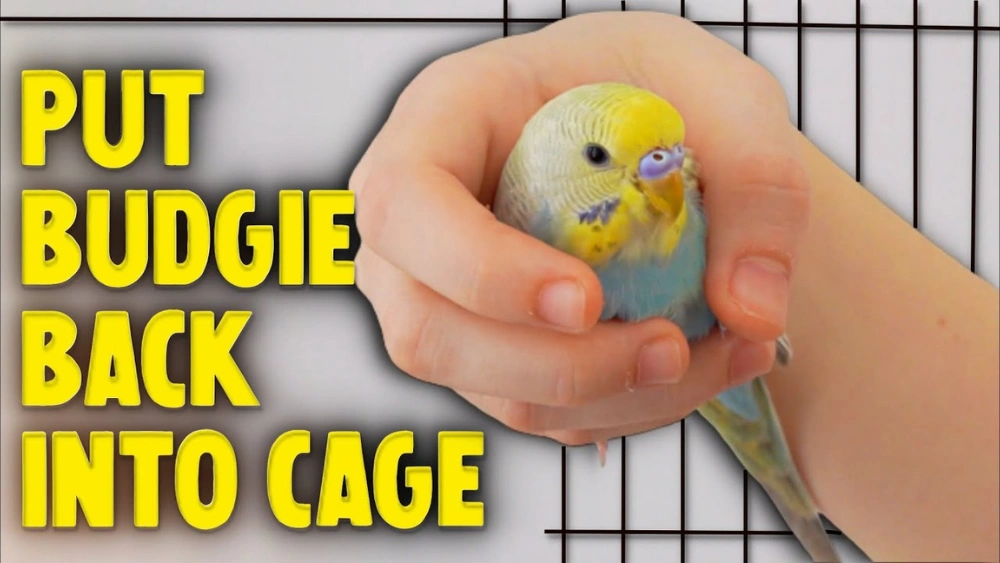
Your feathered friend has decided to embrace its wild side, and now it’s flitting around your home, exploring every nook and cranny. While you love seeing your bird’s adventurous spirit, there’s a moment when you need it back in its cozy cage.
You’re not alone in facing this challenge. Many bird owners experience the same scenario. So, how do you coax your curious companion back to its safe haven without causing stress or anxiety? In this guide, you’ll discover simple, effective techniques to make this task a breeze.
Keep reading, and you’ll soon be the bird whisperer you never knew you could be, ensuring both you and your bird enjoy a harmonious home.

Credit: www.reddit.com
Prepare The Cage Area
Preparing the cage area is a key step to help your bird return safely. A well-prepared space makes the bird feel secure and calm. It also helps avoid accidents and stress during the process. Set up the cage area carefully before guiding your bird back inside.
Choose The Right Location
Place the cage in a quiet room with low traffic. Avoid areas near loud noises or strong smells. Keep the cage away from direct sunlight or drafts. The location should feel safe and familiar to your bird. This makes the bird less likely to resist going back inside.
Ensure Cage Safety
Check the cage for any damage or loose parts. Make sure all doors and latches close tightly. Remove any sharp objects or small items inside the cage. Clean the cage thoroughly to prevent germs. A safe cage protects your bird from injury and illness.
Create A Comfortable Environment
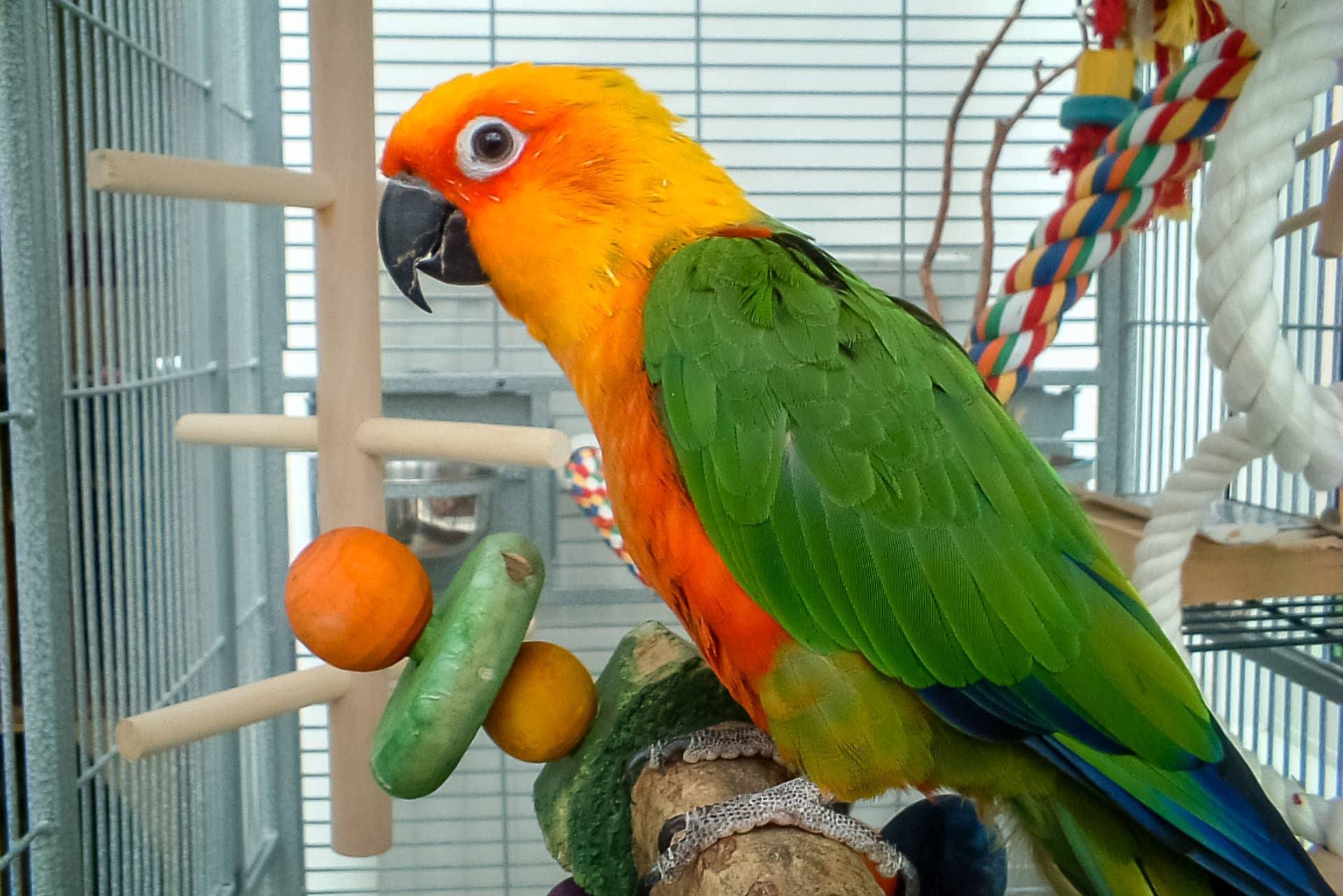
Add fresh food and water inside the cage. Place soft bedding or perches at easy spots for your bird. Include some favorite toys to make the cage inviting. Keep the area warm but not too hot. Comfort encourages your bird to enter and stay calm.
Credit: pethelpful.com
Lure Your Bird Gently
Luring your bird gently back into its cage requires patience and calm. Birds respond well to kindness and familiar cues. Sudden actions can frighten them and make the process harder. Use gentle methods that encourage your bird to return willingly.
Use Favorite Treats
Offer treats your bird loves near the cage entrance. This creates a positive link between the cage and rewards. Hold the treat so your bird can see it clearly. Move it slowly toward the cage to invite your bird inside.
Call With Soothing Sounds
Speak softly or whistle a tune your bird knows. Your voice can comfort and attract your bird. Repeat the sounds calmly and gently. Avoid loud or harsh noises that might scare your bird away.
Avoid Sudden Movements
Move slowly and smoothly around your bird. Quick actions may cause your bird to fly farther away. Keep your hands visible and relaxed. Patience helps your bird feel safe and ready to return.
Train For Easy Returns
Training your bird for easy returns to its cage makes daily life simpler. It builds trust and reduces stress for both of you. Consistent training helps your bird understand where it should go when called. Patience and practice are key to success in this process.
Establish A Routine
Birds thrive on routine and predictability. Set specific times for your bird to return to its cage each day. Use the same words or sounds to signal the return time. This helps your bird learn what to expect and when to go back. A steady routine creates a sense of security and order.
Reward Positive Behavior
Positive reinforcement encourages your bird to repeat good actions. Offer treats or gentle praise when your bird returns willingly. Avoid punishment; it can cause fear and confusion. Rewards make your bird feel safe and eager to listen. Small rewards build a strong habit over time.
Practice Recall Commands
Teach simple commands like “come” or “home” for easy recall. Start training in a quiet, familiar area with few distractions. Use treats or toys to lure your bird back to the cage. Repeat the command clearly and calmly each time. Consistent practice helps your bird respond quickly and happily.

Credit: www.youtube.com
Frequently Asked Questions
How Can I Safely Lure My Bird Back To Its Cage?
Use your bird’s favorite treats or toys as bait near the cage. Speak softly to keep it calm and encourage it to return willingly.
What Is The Best Time To Get A Bird Back Into Its Cage?
Early morning or late evening is ideal when birds are calmer. Avoid noisy or stressful times to make the process smoother.
How Do I Calm My Bird Before Putting It In The Cage?
Gently approach your bird and speak softly. Avoid sudden movements to reduce stress and make it easier to guide back.
Can Training Help In Getting A Bird Back Into Its Cage?
Yes, consistent training helps birds associate the cage with safety. Use positive reinforcement to encourage voluntary returns.
Conclusion
Getting your bird back in its cage takes patience and care. Stay calm and move slowly to avoid scaring your bird. Use treats or toys to encourage it gently. Make sure the cage is inviting and comfortable. Practice often to build trust and routine.
Remember, each bird is different and needs time. With kindness and consistency, your bird will return safely. Keep trying and enjoy the process of bonding with your pet. Little steps lead to big progress.