

Have you noticed your bird slipping or falling off his perch lately? It’s a worrying sight that can leave you feeling confused and concerned.
You might wonder if something is wrong with your feathered friend’s health or environment. Understanding why this happens is key to keeping your bird safe and happy. You’ll discover the common reasons behind this behavior and what steps you can take right now to help your bird regain balance and confidence.
Keep reading to protect your pet and bring peace of mind back to your home.
Common Reasons Birds Fall From Perches
Noticing your bird falling off his perch can be alarming. Understanding why this happens helps you act quickly to ensure your feathered friend’s safety. Several common reasons can cause this behavior, ranging from health problems to environmental and behavioral factors.
Health Issues
Health problems are often the primary cause of a bird losing balance on its perch. Illnesses such as infections, neurological disorders, or injuries can weaken your bird’s grip and coordination.
For example, I once had a cockatiel that suddenly slipped from its perch. A visit to the vet revealed a minor stroke that affected its balance. Early detection is key, so watch for signs like lethargy, fluffed feathers, or unusual movements.
If you notice your bird frequently falling, consult a vet immediately. Timely treatment can prevent worsening conditions and improve your bird’s quality of life.
Environmental Factors
Your bird’s surroundings play a significant role in perch safety. Slippery or unstable perches can cause falls, especially if the material is smooth or the perch is too narrow.
Lighting also matters. Poor lighting can confuse your bird’s depth perception, making it harder to grip properly. Have you checked if the perch surface is worn out or if the cage placement allows enough light?
Try adding perches with different textures and sizes to help your bird strengthen its grip. Also, ensure the cage is in a well-lit, draft-free area to reduce stress and accidents.
Behavioral Causes
Sometimes, falling off a perch is linked to your bird’s behavior. Young birds learning to fly or older birds with declining agility might struggle with balance.
Stress and fear can also cause sudden slips, especially if your bird is startled or feeling insecure. Think about recent changes in your home that might affect your bird’s comfort.
Encourage safe behavior by providing plenty of practice opportunities on different perches. Observing your bird’s reactions can give you clues about what makes them uneasy or confident.
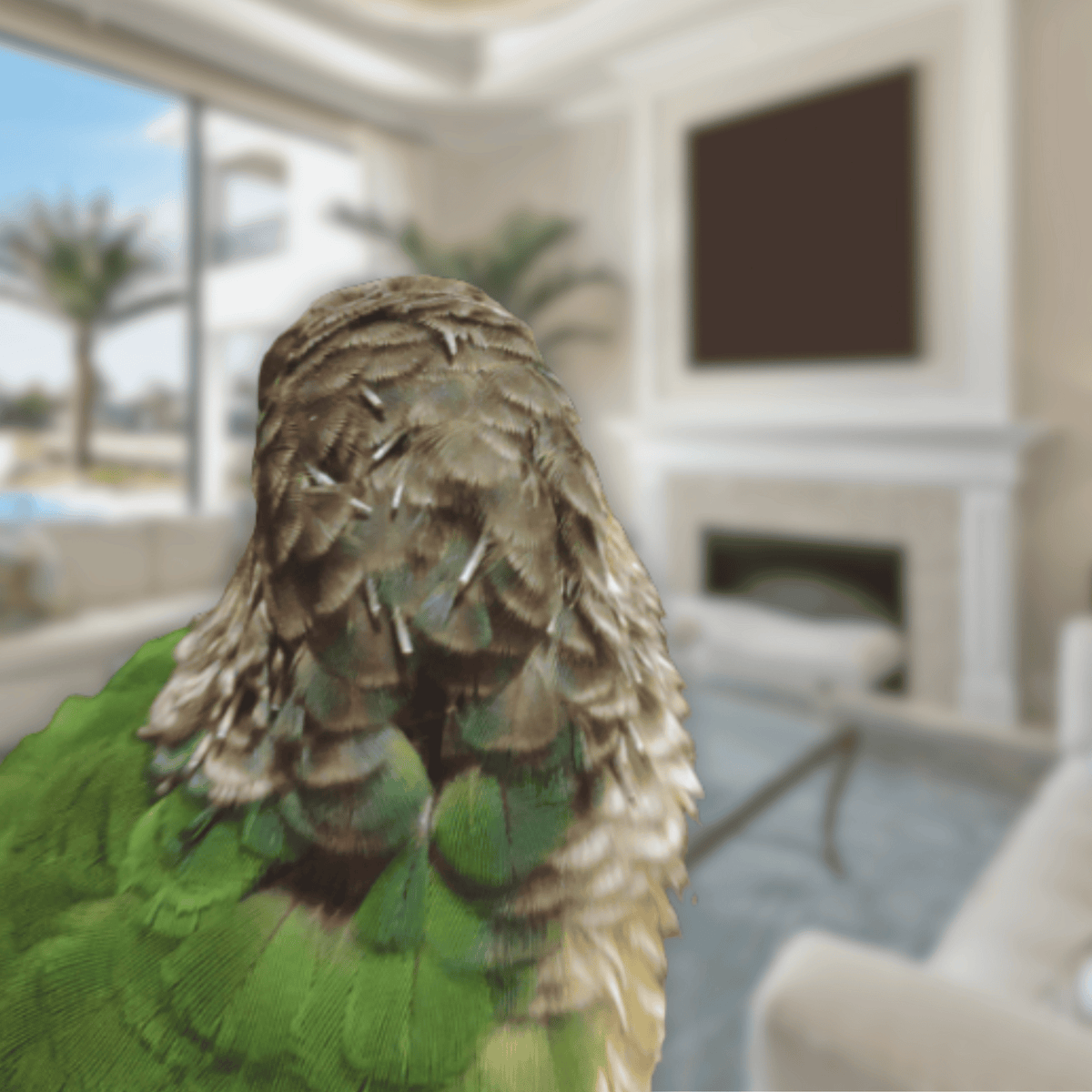
Credit: birdsupplies.com
Signs Your Bird Needs Medical Attention
Birds are good at hiding pain and illness. Spotting signs early helps save their life. Watch your bird closely for any changes. These signs show your bird needs medical care.
Physical Symptoms
- Drooping wings or tail feathers
- Swollen or red eyes
- Labored or noisy breathing
- Fluffed-up feathers for long periods
- Frequent falling off the perch
- Loss of balance or coordination
- Visible wounds or bleeding
- Changes in droppings’ color or consistency
Changes In Behavior
- Sudden aggression or fearfulness
- Unusual quietness or lack of vocalizing
- Refusing to eat or drink
- Less active or unwilling to move
- Hiding more than usual
- Repeated head shaking or scratching
- Loss of interest in toys or interaction
Improving Perch Safety
Improving perch safety is key to stopping your bird from falling. Birds need a secure and comfortable place to rest. A safe perch helps your bird feel stable and happy. Choosing the right perch and placing it well can reduce accidents. Regular care of the perch keeps it safe and strong.
Choosing The Right Perch
Pick a perch size that fits your bird’s feet well. Not too big, not too small. Rough surfaces help birds grip better. Natural wood perches are gentle on feet. Avoid smooth plastic or metal perches that cause slipping. Offer different perch types to prevent foot problems. Soft, non-toxic materials work best for your bird’s comfort.
Proper Placement And Maintenance
Place the perch where your bird can reach food and water easily. Avoid spots near cage doors or busy areas. Check the perch often for cracks or loose parts. Clean the perch regularly to stop bacteria buildup. Replace worn or damaged perches quickly. Keep the perch dry to prevent slipping. A stable and clean perch reduces the risk of falling.

Credit: www.reddit.com
Tips For Supporting Your Bird’s Health
Supporting your bird’s health can prevent problems like falling off the perch. Birds need care that covers diet, exercise, and medical checkups. Small changes in daily habits make a big difference. Healthy birds are active, alert, and steady on their feet.
Balanced Diet
Offer a variety of fresh fruits, vegetables, and grains. Seeds alone lack essential nutrients. Include pellets designed for your bird’s species. Clean water must be available at all times. Avoid foods that are toxic to birds, such as chocolate and avocado. A balanced diet helps maintain strong muscles and good balance.
Regular Exercise
Birds need daily movement to stay strong and agile. Provide time outside the cage to fly or climb. Use toys and perches of different sizes and textures. Exercise improves muscle tone and coordination. It also reduces stress and boredom. A bird that moves often is less likely to fall off its perch.
Routine Vet Checkups
Schedule regular visits to an avian vet. Early detection of illness can prevent serious problems. Vets check for parasites, infections, and nutritional deficiencies. Vaccinations and grooming advice are part of the care. Keep records of your bird’s health and behavior. Routine checkups help keep your bird steady and healthy.
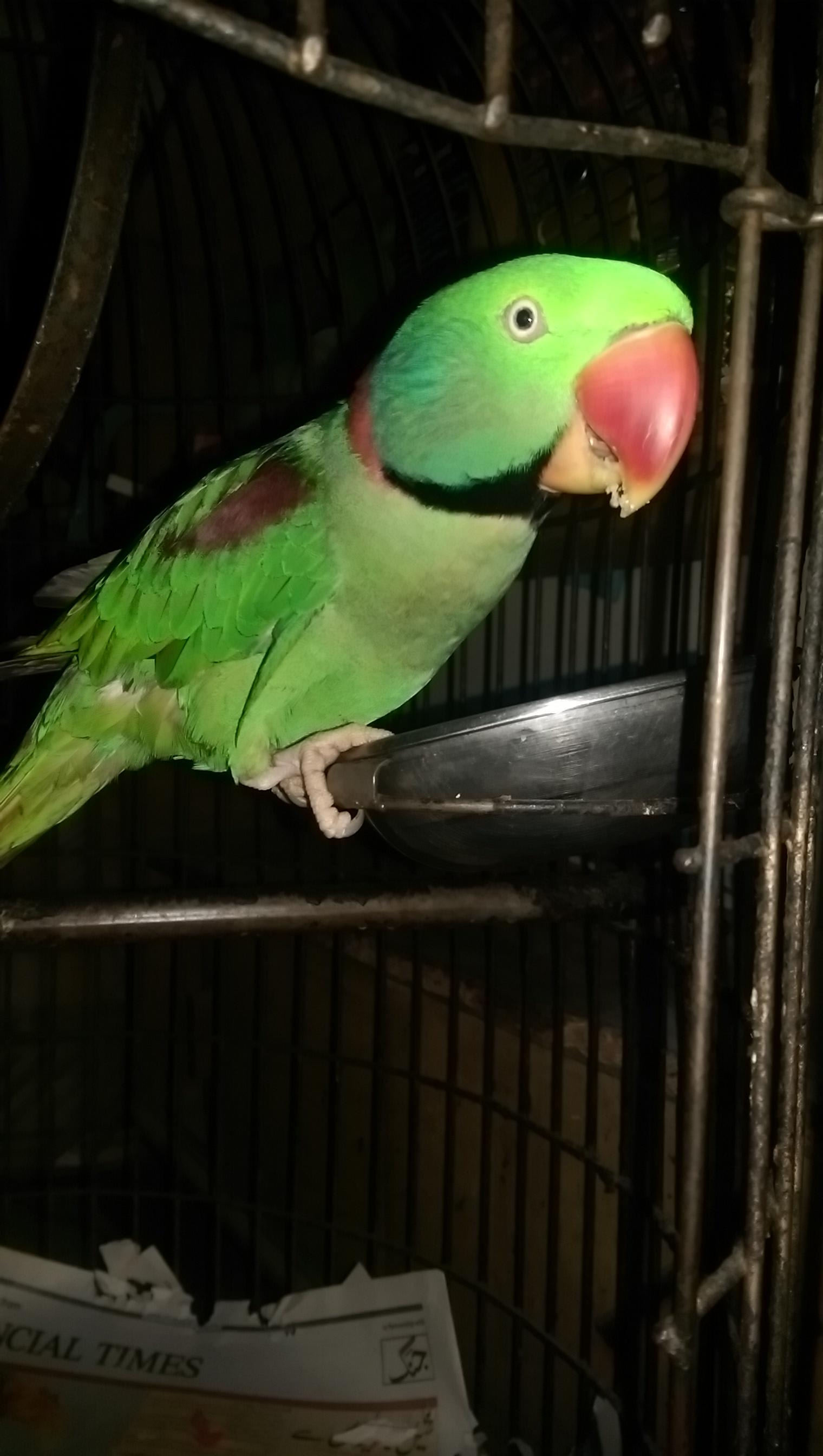
Credit: www.petco.com
Frequently Asked Questions
Why Does My Bird Keep Falling Off His Perch?
Birds may fall due to illness, injury, or weakness. Check for signs of illness or discomfort. Ensure the perch is the right size and material. If the problem persists, consult an avian veterinarian to rule out medical issues.
Can Stress Cause My Bird To Fall?
Yes, stress can affect a bird’s balance and grip. Changes in the environment, loud noises, or new pets can be stressors. Ensure your bird has a calm and stable environment to reduce stress and improve their stability.
Is My Bird’s Perch Too Slippery?
A slippery perch can cause your bird to fall. Ensure the perch’s surface is not too smooth. Opt for natural wooden perches or textured materials. These provide a better grip and reduce the chances of slipping.
Should I Worry If My Bird Falls Occasionally?
Occasional falls might not be a concern, but frequent falls indicate a problem. Monitor your bird’s behavior and health closely. If falling becomes frequent, consult an avian vet to ensure there are no underlying health issues.
Conclusion
Birds falling off their perch need attention quickly. It can signal illness, injury, or stress. Watch your bird’s behavior and check the environment. Keep the perch clean and safe to prevent accidents. Consult a vet for proper diagnosis and care.
Early help can protect your bird’s health. Stay calm and observe closely. Your bird depends on you to stay healthy and happy.