

Ever noticed your feathered friend doing something odd, like rubbing his butt on his toy? You’re not alone.
Bird owners everywhere are scratching their heads over this quirky behavior. It might seem strange or even amusing at first, but there’s more to it than meets the eye. Understanding why your bird acts this way can help you ensure he stays happy and healthy.
Stick with us, and you’ll discover the reasons behind this curious habit. We’ll delve into the world of avian behavior, shining a light on what your bird is really trying to tell you. Ready to solve the mystery? Let’s dive in!
Common Bird Behaviors
Understanding common bird behaviors helps you connect better with your feathered friend. Birds express themselves in unique ways, often through actions that might seem puzzling. Recognizing these behaviors can make you more attuned to your bird’s needs and feelings.
Normal Rubbing Actions
Birds often rub parts of their body, including their butt, on toys or surfaces. This behavior can be a way to scratch an itch or clean themselves. It’s similar to how you might adjust your clothing or scratch a spot that’s hard to reach.
Sometimes, rubbing helps birds spread natural oils for feather health. If your bird is gently rubbing its bottom on a toy, it’s usually nothing to worry about. Watch for signs of discomfort or excessive rubbing, which might mean irritation or parasites.
Social And Playful Gestures
Birds use rubbing as a social signal or during playtime. Your bird might rub its butt on a toy to get your attention or invite interaction. It’s a way of saying, “Hey, notice me!” or “Let’s have some fun!”
Playful rubbing can also be part of their natural curiosity. Birds explore textures and objects with their bodies, not just their beaks or feet. You might see your bird happily engaging with a toy, rubbing and moving around, showing contentment and trust.

Credit: www.reddit.com
Health-related Causes
Birds rubbing their butt on toys can signal health problems. These actions often show discomfort or irritation. Understanding health-related causes helps keep your bird safe and happy. Watch closely for signs that need attention.
Itching And Irritation
Itching near the vent area makes birds rub against objects. This behavior tries to relieve the uncomfortable feeling. Causes include dry skin or allergies. Poor hygiene can also lead to irritation. Check for redness or swelling around the vent.
Parasites And Infections
Parasites like mites cause intense itching and discomfort. Birds may rub their vent to reduce the irritation. Infections from bacteria or fungi also trigger this behavior. Both conditions need prompt treatment to avoid worsening. Consult a vet if you notice unusual rubbing or changes in droppings.
Environmental Factors
Environmental factors play a big role in why your bird might rub his butt on his toy. Birds react strongly to their surroundings, and even small changes can affect their behavior. Understanding how the cage setup and toy choices impact your bird can help you create a happier, healthier space for him.
Cage Setup Impact
The size and cleanliness of your bird’s cage influence his comfort and habits. A cramped or dirty cage can cause discomfort, making your bird seek relief by rubbing against toys or other objects. Have you checked if your bird has enough space to move around freely?
Perch placement also matters. If perches are too close to the cage walls or toys, your bird might accidentally or intentionally rub against those surfaces. Try rearranging perches and toys to see if the behavior decreases.
Toy Texture And Material
Your bird’s toy texture can either soothe or irritate his skin. Rough or abrasive surfaces might cause itching or discomfort, prompting your bird to rub his butt to scratch or relieve irritation. Soft, natural materials like untreated wood or fabric can be gentler on his skin.
Notice if your bird prefers certain toys over others. Does he rub more when playing with plastic toys or metal ones? Offering a variety of textures might help you identify what suits him best and reduce unwanted rubbing behavior.
Credit: www.talkbudgies.com
When To Seek Veterinary Help
Noticing your bird rubbing his butt on his toy can be puzzling, but sometimes this behavior signals a health issue. Knowing when to seek veterinary help is crucial to ensure your feathered friend stays healthy and comfortable. Ignoring certain signs might lead to worsening conditions that are easier to treat early on.
Warning Signs To Watch
- Excessive rubbing:If your bird rubs his rear more than usual or seems unable to stop, this could indicate irritation or discomfort.
- Feather loss or redness:Look closely for bald spots, redness, or swelling around the vent area.
- Changes in droppings:Unusual color, consistency, or frequency may signal digestive or health problems.
- Behavioral changes:Lethargy, loss of appetite, or increased aggression can all be signs of distress.
- Visible parasites or discharge:Mites, lice, or any discharge around the vent require immediate attention.
Have you noticed your bird acting differently beyond just the rubbing? These signs together can point to infections or parasites that need a vet’s diagnosis.
Preventive Care Tips
- Keep toys clean:Regularly wash toys to prevent bacteria buildup that might irritate your bird’s skin.
- Maintain hygiene:Clean your bird’s cage and perches often to reduce the risk of infections.
- Balanced diet:Provide fresh fruits, vegetables, and pellets to support healthy skin and feathers.
- Regular check-ups:Schedule routine visits with your avian vet to catch potential issues early.
- Observe daily:Spend time watching your bird’s behavior to catch subtle changes before they escalate.
Have you ever thought about how small changes in your bird’s environment could affect his health? Sometimes, simple preventive care can make all the difference.
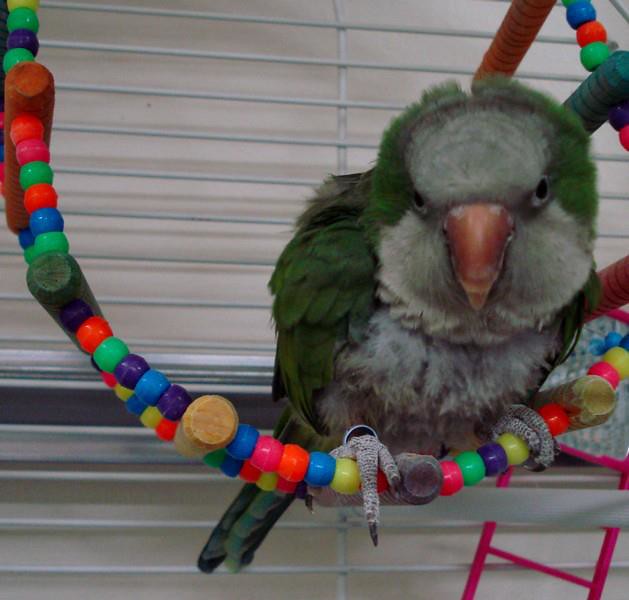
Credit: birdtricksstore.com
Frequently Asked Questions
Why Does My Bird Rub Its Butt On Toys?
Birds rub their butt on toys to relieve itching or irritation. It can also be a way to mark territory with scent glands near their vent. Sometimes, it’s playful behavior or a sign of comfort and contentment.
Is Butt Rubbing A Sign Of Bird Health Issues?
Occasional rubbing is normal, but frequent rubbing might indicate parasites or infections. If your bird rubs its butt excessively, consult a vet. Early diagnosis helps prevent discomfort and serious health problems.
Can Birds Use Toys For Grooming Purposes?
Yes, birds often use toys to groom themselves. Rubbing their vent area on toys helps remove dirt or loose feathers. It’s a natural behavior supporting cleanliness and feather maintenance.
Does Rubbing Butt On Toys Indicate Bird Stress?
Not necessarily; it’s usually a normal behavior. However, if accompanied by other stress signs, it might indicate anxiety. Monitor your bird’s overall behavior to ensure it is happy and healthy.
Conclusion
Birds rub their bottoms on toys for many reasons. It can mean they feel happy or want to play. Sometimes, it shows they want to clean or stretch. Watching your bird helps you learn its habits. Keep toys clean and safe for your bird’s health.
Enjoy these small, funny moments with your pet. Understanding your bird’s behavior builds a closer bond. Patience and care make your bird feel loved every day.