
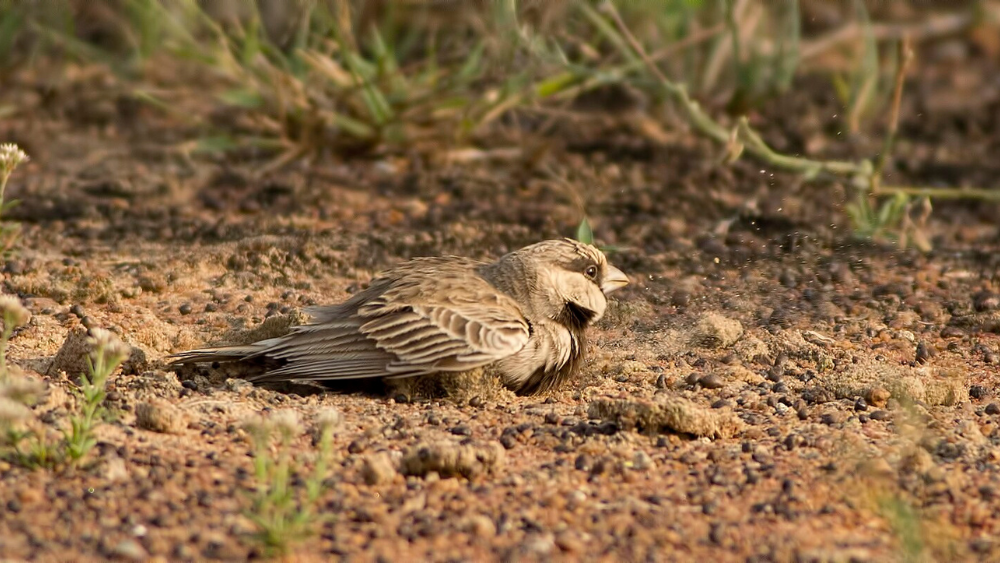
Have you ever watched a bird fluttering in the dirt, seemingly enjoying a dusty spa day, and wondered why they do it? Birds taking dust baths might seem unusual at first, but this quirky behavior is more than just a fun spectacle.
It’s a fascinating ritual that plays a crucial role in keeping our feathered friends healthy and happy. Understanding why birds take these dust baths not only satisfies your curiosity but also deepens your connection to the natural world. Stick around, and you’ll discover the surprising reasons behind this avian habit and learn how it can enrich your experience as a birdwatcher.

Credit: www.sandiegouniontribune.com
How Dust Baths Work
Birds often surprise us with their unique habits, and dust bathing is one of the most fascinating. It might look like simple play, but dust baths play a crucial role in keeping birds healthy and comfortable. Understanding how dust baths work can help you appreciate this behavior and even spot it in your backyard.
Dust Bathing Behavior
Birds begin dust bathing by finding a dry patch of loose dirt or sand. They fluff up their feathers and then start to shake and wiggle their bodies into the dust.
This action helps the dust reach deep into their feathers. The dust absorbs oils, moisture, and parasites, which birds then shake off, leaving their plumage clean and light.
Have you ever noticed a bird rolling on the ground, kicking up clouds of dust? That’s not just play—it’s a natural way for birds to care for their feathers.
Preferred Dust Types
Not all dust is equal in the eyes of birds. They prefer fine, dry dust that can easily stick to their feathers and absorb unwanted oils.
Common choices include sandy soil, volcanic ash, and even powdered clay. These materials help birds manage their feather condition without causing damage.
If you want to attract birds for dust bathing in your garden, consider creating a dust bath area with fine sand or dry soil. You might be surprised how quickly birds discover and use it.

Credit: www.youtube.com
Physical Benefits For Birds
Dust bathing offers important physical benefits for birds. It helps them stay healthy and comfortable. This natural behavior keeps their feathers in top shape and protects them from pests. Birds rely on dust baths to maintain their body condition without water. The dry dust reaches places water can’t. It plays a key role in their daily care routine.
Feather Maintenance
Dust baths help birds keep feathers clean and strong. The fine dust absorbs excess oil and moisture. This prevents feathers from becoming sticky or matted. Dust also removes dirt and debris that water baths might miss. Clean feathers improve flight and insulation. Birds can keep warm in cold weather and cool in heat. Healthy feathers are essential for survival and comfort.
Parasite Removal
Dust baths act as a natural pest control. Dust particles reach into feathers and skin crevices. They help dislodge mites, lice, and other parasites. These pests cause irritation and health problems for birds. Dust suffocates or irritates parasites, forcing them to leave. This reduces the risk of infections and damage. Regular dust bathing keeps birds free from harmful bugs.
Environmental And Social Factors
Environmental and social factors play a big role in why birds take dust baths. These factors influence where and how birds bathe. Dust baths help birds stay healthy by removing parasites and keeping feathers in good shape. The choice of bathing spots and social behaviors affect this natural habit.
Choosing Bathing Spots
Birds pick dust baths in dry, loose soil. The soil must be soft enough to dig into. Birds avoid wet or hard ground for dust baths. Open areas with sunlight are common spots. Sunlight helps dry their feathers after dusting. Birds often return to the same places for baths.
Social Bathing Habits
Some birds bathe alone. Others enjoy dust bathing in groups. Group bathing can help birds find good spots. It also offers safety from predators. Social dust baths strengthen bonds among birds. They communicate and share space without fighting.

Credit: www.aol.com
Surprising Health Advantages
Birds taking dust baths might seem like a quirky behavior, but it offers surprising health benefits that go beyond simple cleanliness. This natural habit plays a crucial role in maintaining their well-being in ways you might not expect. Let’s dive into how dust baths support their skin and reduce stress.
Skin Care
Dust baths help birds keep their feathers in top shape. The fine particles absorb excess oil and moisture, preventing skin irritation and feather damage.
When birds fluff up and shake off the dust, it removes parasites that water baths might miss. Think of it as a natural exfoliation that keeps their skin healthy and feathers strong.
Have you ever considered how often you need to clean your own skin to avoid issues? Birds instinctively know the importance of this simple yet effective routine.
Stress Reduction
Dust bathing is more than hygiene; it’s a calming ritual. Birds often take dust baths during quiet moments, which helps lower their stress levels.
This behavior releases endorphins, similar to how a relaxing activity helps you unwind after a tough day. Watching birds engage in this can remind you to find small, natural ways to de-stress.
Next time you see a bird dust bathing, ask yourself—what simple habits could you add to your routine to feel more relaxed and refreshed?
Frequently Asked Questions
Why Do Birds Prefer Dust Baths Over Water Baths?
Birds take dust baths to remove excess oil, dirt, and parasites from their feathers. Dust absorbs moisture and loosens debris, helping maintain feather health and insulation without wetting them.
How Does Dust Bathing Benefit A Bird’s Feathers?
Dust bathing helps birds keep feathers clean and well-aligned. It removes parasites and prevents feather damage, which improves flight efficiency and insulation against weather conditions.
Are All Bird Species Known To Take Dust Baths?
Most ground-feeding birds, such as sparrows and finches, commonly take dust baths. However, not all birds dust bathe; some prefer water baths or other grooming methods.
Can Dust Bathing Protect Birds From Parasites?
Yes, dust bathing is an effective natural method birds use to control external parasites like mites and lice. The dust suffocates or dislodges these pests from feathers.
Conclusion
Birds take dust baths to keep clean and healthy. Dust helps remove oil and pests from their feathers. This simple act protects their skin and feathers. It also stops parasites from bothering them. Dust baths help birds stay cool on hot days.
Watching birds dust bathe shows their natural care habits. Next time you see a bird in dust, you’ll understand why. Nature’s way of grooming, plain and simple.