

Have you ever looked up and wondered why so many birds choose to perch on wires? It’s a sight that’s both common and puzzling.
These feathered creatures seem to find something special about those high, thin lines. You might think it’s just a convenient spot to rest, but there’s more to it than meets the eye. Understanding why birds are drawn to wires can reveal fascinating insights into their behavior and instincts.
So, if you’re curious about this everyday mystery and eager to uncover the reasons behind it, you’re in the right place. Let’s explore the intriguing world of birds and their surprising preference for wires.

Credit: birdfact.com
Birds Choose Wires For Safety
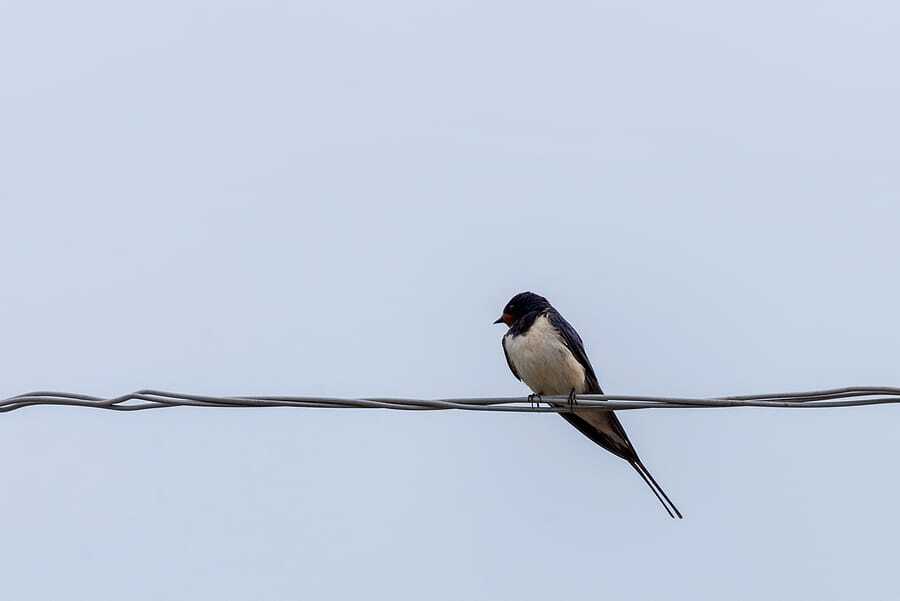
Birds choose wires for safety because these spots offer a secure place to rest. Wires keep birds away from many dangers on the ground. Sitting on wires helps birds feel protected and ready to fly away if needed.
Elevation Against Predators
Wires give birds a high perch above the ground. This height keeps them safe from animals like cats and snakes. Predators find it hard to reach birds on wires. Being elevated helps birds spot danger early and escape quickly.
Clear View Of Surroundings
Birds on wires can see a wide area around them. This clear view helps them watch for threats and find food. From wires, birds easily spot other birds and stay alert. This open sight keeps them safe and aware.

Credit: www.flickr.com
Wires Offer Convenient Resting Spots
Wires offer birds a surprisingly convenient place to rest during their busy days. They are everywhere, easy to reach, and provide a safe spot to pause. Have you ever noticed how many birds gather on telephone or power lines? It’s not just random; there are good reasons behind this choice.
Accessible And Abundant Perches
Wires stretch across neighborhoods, parks, and cities, making them easy for birds to find. Unlike branches that may be hidden or out of reach, wires are often open and visible from a distance. This means birds can quickly spot a free spot and settle down without much effort.
Think about your own daily routine. Wouldn’t you prefer a place that’s easy to get to when you need a quick break? Birds feel the same way. They use wires as reliable resting spots because these perches are everywhere and rarely occupied for long.
Comfortable Grip And Balance
Birds have feet specially designed to grip round objects like wires. Their toes wrap around the wire, allowing them to hold on tightly without slipping. This grip feels secure, even when the wind blows or the wire sways.
Balance is another important factor. Wires provide a narrow but stable platform that matches the size of a bird’s feet perfectly. This helps them stay steady while they rest or keep watch for predators. Next time you see a bird perched on a wire, notice how relaxed it looks—this comfort is no accident.
Social Behavior On Wires
Birds perched on wires are more than just a charming sight—they reveal a lot about their social lives. These wires act as communal meeting spots where birds interact, share information, and even show off to potential mates. Understanding their social behavior here can give you a fresh perspective on why these gatherings happen and what they mean.
Flocking And Communication
When you see groups of birds on wires, they’re often engaging in flocking behavior. This isn’t just about safety in numbers; it’s a chance for birds to exchange vital information. You might notice them calling out to each other, signaling about food sources or warning of nearby dangers.
Think about a time you’ve seen birds suddenly scatter—this rapid communication helps them react fast. The wires provide a perfect spot for these interactions because they offer a clear vantage point and a stable place to rest between flights.
Territory And Mating Signals
Birds also use wire perches to mark their territory and send out mating signals. Males often choose prominent spots on the wires to sing and display, hoping to attract females. This behavior helps them establish dominance without resorting to physical fights.
Have you ever noticed one bird taking over a prime perch while others wait their turn? This is a subtle way of showing social ranking. By watching these interactions, you get a glimpse into the complex social rules birds follow on these simple wires.
Wires And Temperature Regulation
Birds often choose wires as their resting spots not just for convenience but also for how these structures help them manage their body temperature. Wires offer unique thermal benefits that can be crucial, especially during cooler parts of the day or harsh weather conditions. Understanding how wires assist in temperature regulation can change the way you see these common perching spots.
Warmth From Sunlight
Wires absorb heat from the sun throughout the day. When birds perch on them, they can feel this gentle warmth radiating through the metal. This warmth helps birds conserve energy by reducing the need to flap their wings or shiver to stay warm.
Have you noticed birds gathering on wires during early mornings? They often do this to soak up the sun’s heat before taking off. This simple behavior shows how birds use the environment smartly to regulate their body temperature.
Shelter From Wind
Wires are often positioned in open areas where wind can be strong. Birds position themselves strategically on these wires to minimize exposure to cold winds. By facing the wind or sitting closer together, they create a small shelter effect that helps retain their body heat.
Next time you see birds perched on wires during a windy day, watch how they adjust their position. This behavior is a natural way to stay warm without needing extra effort. How might your outdoor spaces be designed to offer similar natural wind protection?
Credit: www.callnorthwest.com
Frequently Asked Questions
Why Do Birds Prefer Perching On Wires?
Birds perch on wires because they offer a safe, elevated resting spot. Wires provide a clear view to spot predators and food. They are convenient and widespread, making them ideal for birds to rest between flights.
How Do Birds Stay Safe On Electric Wires?
Birds stay safe because they only touch one wire at a time. This prevents electric current from passing through their bodies. The wires are insulated in the air, so no electricity flows without a path to the ground.
Do All Bird Species Perch On Wires?
Not all birds perch on wires, but many common species do. Small to medium-sized birds like sparrows and starlings favor wires. Larger birds may avoid wires due to balance and space needs.
Why Are Wires Popular Resting Spots For Birds?
Wires are popular because they offer height, safety, and visibility. Birds can easily spot prey and predators from wires. The open space around wires reduces hiding spots for threats.
Conclusion
Birds choose wires for safety and rest. Wires give a good view of their surroundings. They stay warm because wires carry electricity. Perching on wires also helps birds talk to each other. This simple habit shows how birds adapt to human spaces.
Next time you see birds on wires, remember why they do it. It is a natural and smart choice for them. Understanding this helps us appreciate birds more. They find small places to live and thrive. Wires are not just lines; they are bird seats too.