
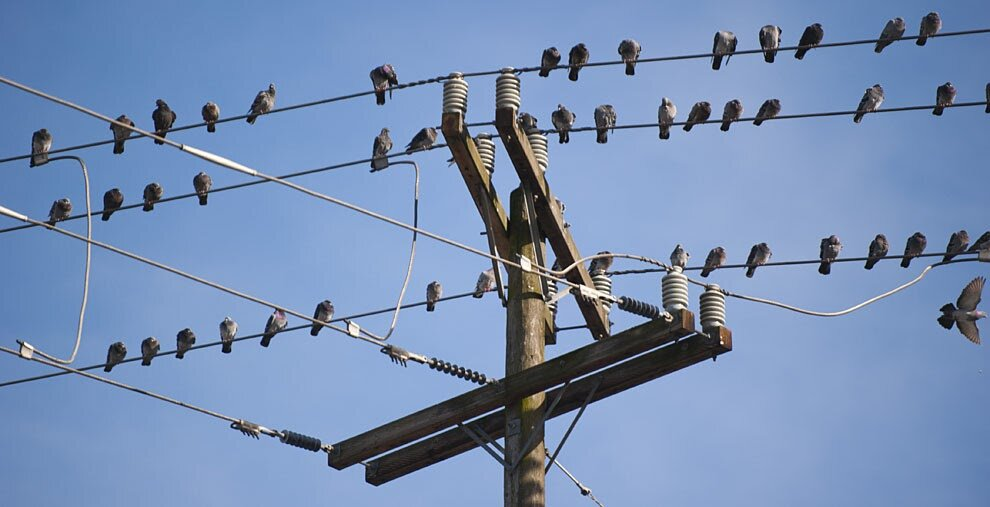
Have you ever looked up and wondered why birds love to sit on electrical wires? It might seem strange at first, but there’s more to this simple scene than meets the eye.
Understanding why birds choose these high spots can change the way you see your everyday surroundings. Keep reading, and you’ll discover surprising facts that will make you notice birds—and those wires—differently every time. Your curiosity is about to pay off!
Credit: medium.com
Birds And Electrical Wires
Birds perched on electrical wires is a common sight that might make you wonder why these wires are so attractive to them. The relationship between birds and electrical wires goes beyond just a convenient resting spot. Understanding this behavior can reveal surprising facts about bird safety and their interaction with human-made structures.
Why Birds Choose Electrical Wires
Electrical wires provide birds with a high vantage point to spot food and predators. These wires are often in open areas, giving birds a clear view of their surroundings. Plus, the wires are usually warmer than the air, especially on cold days, making them cozy spots to rest.
How Birds Avoid Electric Shocks
You might wonder why birds don’t get electrocuted while sitting on these wires. The key is that birds only touch one wire at a time, so electricity doesn’t flow through their bodies. If they touched two wires or a wire and a grounded object simultaneously, the current would pass through them, causing harm.
Common Bird Species On Electrical Wires
- Pigeons – They love urban wires for resting and socializing.
- Swallows – Often seen perched during their migration stops.
- Starlings – Form large flocks on wires before taking off together.
Have you noticed how some wires are crowded with birds while others remain empty? This often depends on the location and the surrounding environment.
What You Can Do To Help Birds On Electrical Wires
If you see birds frequently perching on wires near your home, consider these actions:
- Install bird-safe coverings or deterrents on dangerous poles.
- Plant trees nearby to offer safer resting spots.
- Report damaged wires to local authorities to prevent accidents.
Helping create safer environments for birds can reduce risks and keep these fascinating creatures safe.

Credit: www.reddit.com
Safety On Wires
Birds perched on electrical wires might seem risky, but these wires actually provide a surprisingly safe resting spot. Understanding why birds don’t get shocked can help you see their behavior in a new light. It’s all about how electricity flows and how birds interact with these wires.
How Electricity Flows Through Wires
Electricity moves along a path from high voltage to low voltage or ground. Wires carry this current, but the key is that electricity needs a complete path to flow. When a bird sits on a single wire, it is not completing that path because its body doesn’t connect to the ground or another wire.
Why Birds Don’t Get Electrocuted
Birds avoid shocks because they only touch one wire at a time. Without touching the ground or a second wire with different voltage, electricity won’t pass through their bodies. This means they remain safe even though the wire carries high voltage.
Risks When Birds Touch More Than One Wire
If a bird touches two wires at once or a wire and a grounded object, it creates a path for electricity to flow through its body. This situation is dangerous and can cause electrocution. Birds usually avoid this because of their small size and careful movements.
What You Can Learn From Birds’ Safety On Wires
- Electricity requires a closed loop to flow.
- Touching only one wire prevents current from passing through the body.
- Understanding this can help you stay safe around electrical equipment.
Have you ever wondered why birds seem so calm sitting on wires that look so dangerous? Now you know it’s their smart way of avoiding harm. Next time you see a bird perched on a wire, you can appreciate the clever safety trick it uses.
Warming Benefits
Have you ever noticed birds perched calmly on electrical wires during chilly mornings or cold evenings? One key reason they choose these spots is the warming benefits these wires provide. Unlike branches or other natural perches, electrical wires can offer a subtle, consistent source of warmth that helps birds maintain their body temperature.
How Electrical Wires Retain Heat
Electrical wires carry electric current, which generates a slight amount of heat. This heat is enough to raise the wire’s temperature slightly above the surrounding air, especially during cooler weather. Birds take advantage of this gentle warmth to stay comfortable without expending extra energy.
Why Birds Need This Extra Warmth
Birds have high metabolisms and lose body heat quickly, especially small species. Perching on a warm wire helps them reduce the energy needed to keep warm. This is crucial during cold seasons when conserving energy can mean the difference between survival and exhaustion.
Personal Observation: A Morning Walk Insight
On a brisk winter morning, I noticed a flock of sparrows gathered on a single power line. They seemed calm and less fluffed up than usual, which indicates they were comfortable. This simple behavior showed me how these wires act like natural heaters for birds, helping them cope with the cold.
Practical Takeaway For Birdwatchers
- Look for birds on wires during early mornings or late evenings in cooler months.
- Notice how relaxed and still they appear compared to when they’re on cold branches.
- Use this knowledge to find and observe birds when they are easiest to spot and photograph.
Next time you see birds perched on electrical wires, ask yourself: could they be warming up before their day of flying and foraging? Their choice of perch is more than convenience—it’s a smart survival tactic.
Social And Hunting Spots
Birds often choose electrical wires as their social and hunting spots because these locations offer unique advantages. The wires provide clear vantage points where birds can easily observe their surroundings and communicate with each other. This combination of social interaction and strategic hunting makes wires an irresistible perch for many species.
Clear Vantage Points For Spotting Prey
From the height of electrical wires, birds get an unobstructed view of the ground below. This makes it easier for them to spot insects, small mammals, or other prey moving around. You might have noticed how hawks or kestrels hover or sit on wires, patiently waiting for the right moment to swoop down.
Have you ever seen a bird suddenly take flight from a wire and wondered what triggered it? Often, it’s because they’ve spotted potential food nearby, making the wire an ideal hunting lookout.
Social Gathering Places For Communication
Electrical wires act like community benches for birds. They gather to chirp, sing, and interact with each other, helping maintain social bonds within flocks. This behavior also helps them share information about food sources or alert each other to dangers.
Think about your own neighborhood hangout spots where friends meet and exchange news. For birds, wires serve a similar purpose, making these spots crucial for their social life.
Safe Spots Away From Predators
Perching on wires keeps birds out of reach from many ground predators. The open space around the wires means fewer places for threats to hide, giving birds a safer environment. This safety factor adds to why birds prefer these elevated spots over dense trees or bushes sometimes.
Next time you see birds lined up on wires, consider how these spots provide a mix of safety, social interaction, and hunting advantages all at once.

Credit: www.youtube.com
Frequently Asked Questions
Why Do Birds Like To Perch On Electrical Wires?
Birds perch on wires because they provide a safe, elevated resting spot. Wires offer a clear view of predators and food. The height helps birds stay safe from ground threats. Wires also conduct little to no electricity through their bodies, making them safe.
Are Electrical Wires Dangerous For Birds To Perch On?
Electrical wires are generally safe for birds because they do not complete a circuit. Birds avoid touching two wires at once, preventing electric shocks. The wire’s insulation and spacing reduce risk. However, if a bird contacts grounded parts, it can get electrocuted.
How Do Birds Avoid Getting Shocked On Wires?
Birds avoid shocks by only touching one wire at a time. This prevents electricity from flowing through their bodies. Their small size and perch position help. Birds instinctively stay away from grounded or multiple wires. This natural behavior keeps them safe.
Why Do Birds Choose Wires Over Tree Branches?
Birds prefer wires for better visibility and fewer predators. Wires offer a clear line of sight to hunt and watch surroundings. Trees may have more cover but also more threats. Wires are stable and less cluttered, making them ideal perches.
Conclusion
Birds choose electrical wires because these spots feel safe and high. Wires give them a good view of their surroundings. They can rest, watch for food, and avoid ground dangers. The wires also stay warm, especially in cold weather. This makes them a cozy place to sit.
Understanding why birds perch here helps us appreciate their behavior more. It reminds us how nature adapts to human spaces. Next time you see birds on wires, you’ll know why they pick that spot. Simple, smart, and natural.