

Have you ever watched a bird perched gracefully on a branch and wondered why sometimes they just fall off? It seems odd, doesn’t it?
Birds are known for their agility and balance, so what causes these unexpected tumbles? This intriguing question might have crossed your mind while observing nature’s little acrobats. Understanding why this happens can reveal fascinating insights about bird behavior and their environment.
Stick around as we unravel the mystery behind why birds occasionally lose their grip. You might just discover something new about our feathered friends that will surprise and captivate you!
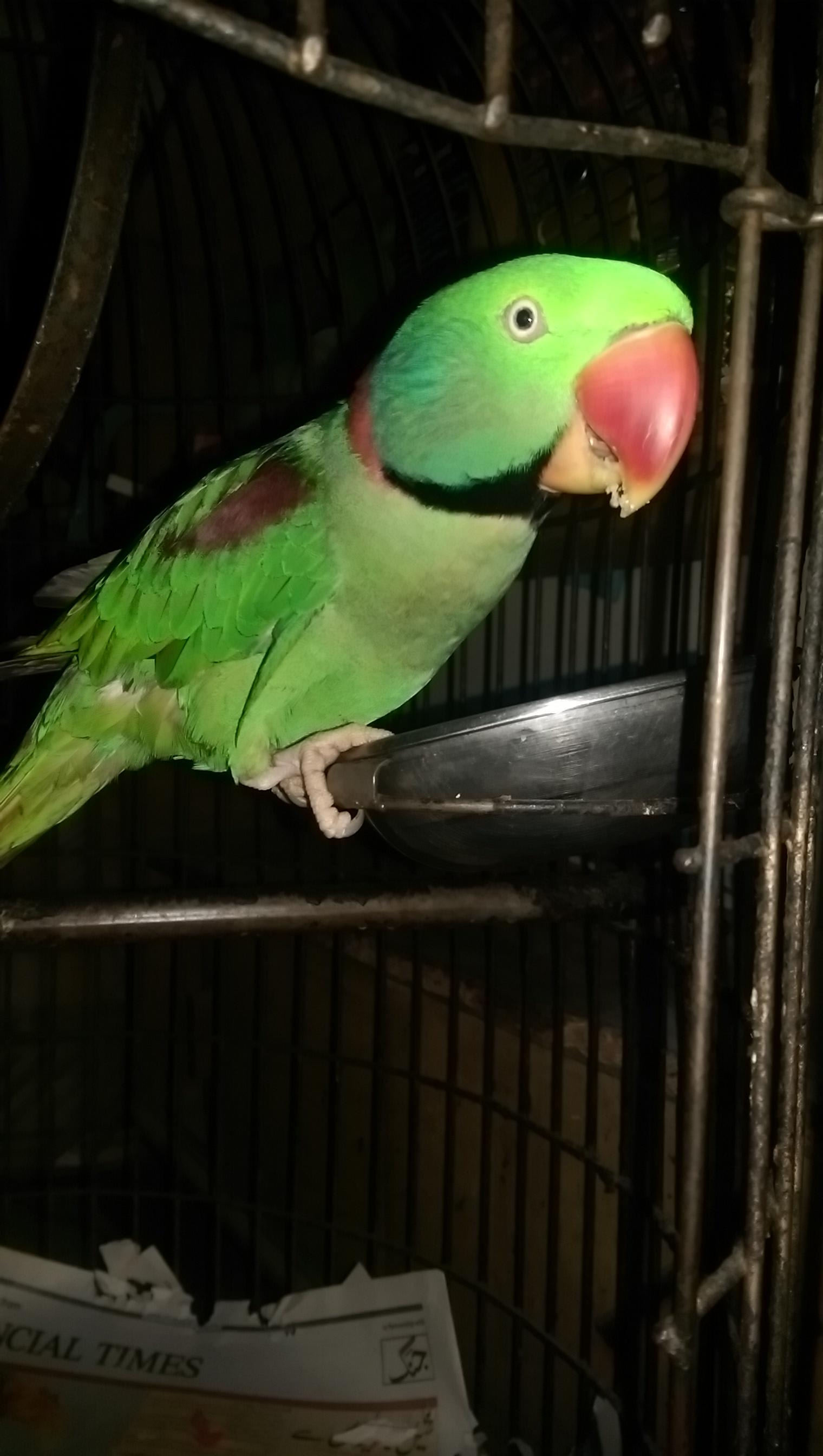
Credit: www.petco.com
Common Causes Of Birds Falling
Birds falling off their perch can be surprising to see, but it often signals underlying issues. Understanding the common causes helps you recognize when a bird might need help or when natural factors are at play. Let’s look at some main reasons why birds lose their grip and fall.
Physical Fatigue And Weakness
Birds rely heavily on strong leg muscles and sharp claws to hold onto perches. If a bird is tired or weak due to illness, injury, or lack of nutrition, its grip can loosen unexpectedly.
Think about how you feel after a long day—your hands might shake or lose strength. Birds experience similar fatigue, especially older or sick individuals.
Have you noticed a bird struggling to stay on a perch after a rough flight or during bad weather? That’s often fatigue at work.
Environmental Factors
Slippery or unstable perches make it hard for birds to maintain balance. Wet branches, icy surfaces, or smooth wires can cause birds to slip and fall.
Strong winds and sudden gusts also challenge a bird’s stability. Even if a perch is perfect, harsh weather can push a bird off unexpectedly.
Ask yourself: Is the bird’s environment safe and secure? Checking perch conditions regularly can prevent many falls.
Predator Interference
Birds often face threats from predators like cats, hawks, or snakes. Sudden attacks or attempts to escape can cause birds to lose their grip.
During a chase or surprise, a bird might jump or flap wildly, which increases the chance of falling. This is a natural defense reaction but can lead to injury.
Have you ever seen a bird drop suddenly when a predator is near? That moment of panic is a common cause behind many falls.

Credit: birdsittingtoronto.ca
Health Issues Affecting Birds
Birds falling off their perch can be a worrying sign of underlying health issues. These problems often affect their balance, strength, and coordination, making it difficult for them to stay steady. Understanding these health concerns can help you spot early warning signs and take action before the situation worsens.
Nutritional Deficiencies
Your bird’s diet plays a crucial role in its ability to grip and balance on a perch. A lack of essential vitamins and minerals, especially calcium and vitamin D, can weaken their muscles and bones. Without proper nutrients, birds might struggle to hold onto their perch, leading to falls.
Have you noticed your bird’s feathers looking dull or brittle? These can be subtle hints of poor nutrition affecting their overall health. Adding fresh fruits, vegetables, and a quality pellet diet can make a big difference.
Infections And Diseases
Infections like avian flu or bacterial illnesses can cause weakness and lethargy in birds. These conditions often affect the nervous system, resulting in poor coordination and balance. When your bird suddenly loses grip or falls frequently, infections could be the hidden cause.
Regular vet checkups can catch these diseases early. You might also observe symptoms like sneezing, discharge from eyes or beak, and changes in behavior. Don’t ignore these signs—they’re your bird’s way of asking for help.
Injury And Trauma
Birds are agile, but accidents happen. An injury to their feet, legs, or wings can make perching painful or impossible. Even a minor trauma can disrupt their ability to stay balanced.
If your bird falls and seems reluctant to move or shows signs of swelling, examine them carefully. Immediate veterinary care can prevent complications and help your bird recover faster. Have you ever caught your bird slipping and wondered if they got hurt? Paying close attention to their movements can save their life.
Behavioral And Psychological Factors
Birds don’t just fall off their perches because of physical weakness or illness. Their behavior and mental state play a big role too. Understanding these psychological and behavioral factors can help you better care for your feathered friends and spot potential issues early.
Stress And Anxiety
Stress can cause birds to lose their grip unexpectedly. Loud noises, sudden changes in their environment, or unfamiliar visitors might make your bird anxious. When stressed, their muscles tense, which may lead to a slip or fall.
Have you noticed your bird trembling or pacing before a fall? These signs often point to anxiety. Creating a calm and predictable environment can help reduce stress and keep your bird steady on its perch.
Mating And Territorial Disputes
During mating season, birds become more aggressive and restless. They might challenge each other for territory, leading to fights or quick movements that cause falls. Even a minor scuffle can make them lose balance.
If you keep multiple birds, watch for signs of tension like loud calls or chasing. Separating birds during these periods can prevent injuries and help them stay safe on their perches.
Molting And Growth Phases
Molting is a stressful time for birds as they shed old feathers and grow new ones. This process can make them feel uncomfortable and less coordinated. You might notice more frequent slips as they adjust to their changing bodies.
Young birds going through growth spurts also struggle with balance. Their muscles and coordination are still developing, which can lead to falls. Providing extra support and gentle handling during these phases can reduce accidents.

Credit: www.youtube.com
Preventing Birds From Falling Off
Preventing birds from falling off their perch requires attention to their environment, diet, and health. A safe and stable perch helps birds stay balanced. Good nutrition keeps their muscles strong and energy high. Regular health checks catch problems early, avoiding accidents. These steps work together to keep birds safe and happy.
Safe Perching Environments
Choose perches with the right size and texture for your bird’s feet. Avoid slippery or very smooth surfaces. Place perches away from drafts and sudden noises. Ensure the area is free of sharp objects and hazards. Use natural wood or textured materials to improve grip. Keep perches clean to prevent infections and slipping.
Proper Nutrition And Care
Feed birds a balanced diet with seeds, fruits, and vegetables. Include supplements if recommended by a vet. Fresh water must always be available. Proper nutrition helps maintain muscle strength and coordination. Avoid overfeeding to prevent obesity, which can cause weakness. Regular exercise supports overall health and balance.
Regular Health Checks
Watch for signs of illness or injury that affect balance. Check feet for cuts, swelling, or infections. Monitor bird behavior for unusual clumsiness or lethargy. Schedule vet visits to detect hidden health issues. Early treatment prevents worsening conditions that cause falls. Keep records of health changes to share with your vet.
Frequently Asked Questions
Why Do Birds Lose Grip On Their Perch?
Birds may lose grip due to fatigue, illness, or injury. Sometimes slippery surfaces or strong wind can cause slipping. Additionally, neurological or balance issues can make perching difficult for birds.
Can Illness Cause Birds To Fall Off Perches?
Yes, illnesses like infections or parasites can weaken birds. Sick birds may have reduced muscle strength and coordination. This makes it harder for them to hold onto perches securely.
Do Environmental Factors Affect Birds Falling Off Perches?
Environmental factors such as rain, ice, or wind can make perches slippery. Unstable or narrow perches also increase the risk. Birds need stable, dry, and appropriately sized perches to avoid falling.
How Does Bird Age Impact Perching Ability?
Older birds may suffer from muscle weakness or joint problems. This can reduce their ability to grip perches firmly. Aging birds need safer, more supportive perching options to prevent falls.
Conclusion
Birds fall off their perch for many reasons. Sometimes, they get tired or sick. Other times, they lose balance or get scared. Knowing these causes helps us care for birds better. Watching birds closely can show if they need help.
Healthy perching keeps birds safe and strong. Small changes in their environment make a big difference. Caring for birds helps them stay happy and active. Remember, simple acts can protect these beautiful creatures every day.