

Have you ever wondered why those tiny, feathered visitors in your backyard seem so attracted to suet? It’s not just a random choice or simple curiosity on their part.
Birds, with their instinctive wisdom, are on a relentless quest for energy-packed nutrition, especially during the colder months when food is scarce. Suet becomes their lifeline, providing essential fats and calories to keep them warm and fueled. But that’s not all.
The fascination with suet goes beyond mere survival. By understanding why birds eat suet, you can create a thriving bird sanctuary right in your backyard, inviting a colorful array of winged wonders to your world. Ready to uncover the secrets behind this avian delicacy and transform your outdoor space into a birdwatcher’s paradise? Let’s dive in!
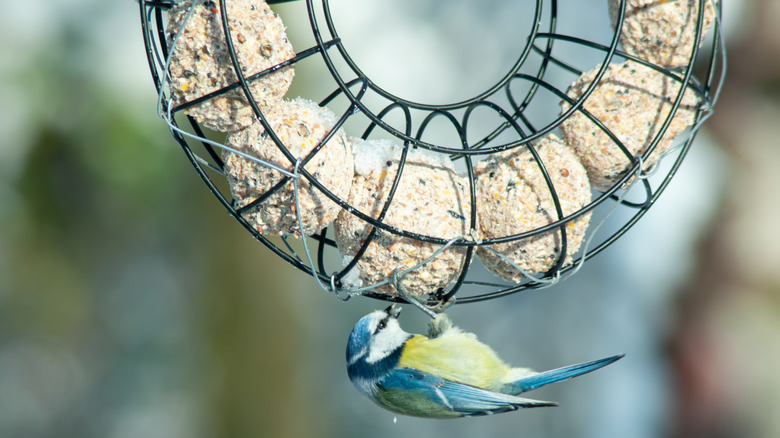
Credit: www.outdoorguide.com
Nutritional Value Of Suet
Understanding the nutritional value of suet helps explain why birds are so drawn to it. Suet is more than just a tasty treat; it’s a powerful source of energy and essential nutrients that support birds through tough conditions. If you’ve ever watched birds flock eagerly around a suet feeder, you’re witnessing nature’s energy boost in action.
High Energy Content
Suet is packed with fat, which is the highest energy source for birds. Fat contains more calories per gram than carbohydrates or proteins, making suet an ideal fuel during cold weather or migration. Birds need this energy to maintain body heat and power their daily activities.
Think about your own energy needs on a chilly day—you reach for something rich and filling. Birds do the same with suet. It gives them the quick, concentrated energy required to survive and thrive.
Essential Nutrients For Birds
Besides fat, suet contains important vitamins and minerals that birds need for good health. Nutrients like vitamin A, vitamin D, and calcium help with feather development, bone strength, and immune function.
Suet often comes mixed with seeds, nuts, or dried fruits, adding protein and carbohydrates to the mix. This combination supports birds’ overall diet, especially during breeding seasons or when natural food is scarce.
Have you noticed how birds seem more active and vibrant when you put out suet? That’s because they’re getting a well-rounded boost from both energy and essential nutrients.
Attracting Diverse Bird Species
Suet offers a rich energy source that attracts many bird species. It provides essential fats and nutrients birds need, especially in colder weather. This makes it easier to attract a wide variety of birds to your feeder. Different birds prefer suet, so offering it can bring diversity to your backyard wildlife.
Common Suet Eaters
- Woodpeckers love suet for its high fat content.
- Nuthatches cling to suet feeders for quick energy.
- Chickadees enjoy suet during cold days.
- Wrens visit suet feeders for easy meals.
- Titmice often flock around suet feeders.
Seasonal Bird Visitors
Suet attracts migratory birds passing through your area. In winter, birds need extra calories to stay warm. Suet feeders support these travelers during harsh weather.
- Winter brings juncos and sparrows to suet feeders.
- Early spring visitors include some woodpecker species.
- Late fall sees more diverse birds feeding on suet.
Suet’s Role In Bird Health
Suet plays a crucial role in keeping birds healthy, especially during challenging times. This high-energy food source provides essential nutrients that many birds struggle to find in cold weather or during molting periods. Understanding how suet supports bird health can help you make smarter choices when feeding your feathered visitors.
Boosting Winter Survival
Birds need extra energy to stay warm in winter, and suet offers a dense source of calories. Unlike seeds or fruits, suet is packed with fat, which is vital for maintaining body heat. When I started offering suet in my backyard, I noticed more birds sticking around even on the coldest days, a clear sign they rely on it for survival.
Providing suet helps birds avoid energy crashes that can be dangerous in freezing temperatures. It gives them a quick, reliable fuel boost so they can keep flying and foraging. Have you ever watched a chickadee rapidly feeding on suet? Their urgency reveals just how important this food is when cold bites.
Supporting Feather Growth
Feathers need more than just protein; they require fats to develop strong, flexible structures. Suet supplies these fats, helping birds grow healthy feathers that insulate and protect. During molting season, offering suet can make a noticeable difference in how quickly and well birds replace their worn feathers.
Think about the time you’ve seen birds looking scruffy or patchy before their feathers fully regrow. Suet can speed up this process by providing essential nutrients that hard-to-find natural foods might lack. Would your backyard birds benefit from a little extra help during feather renewal?
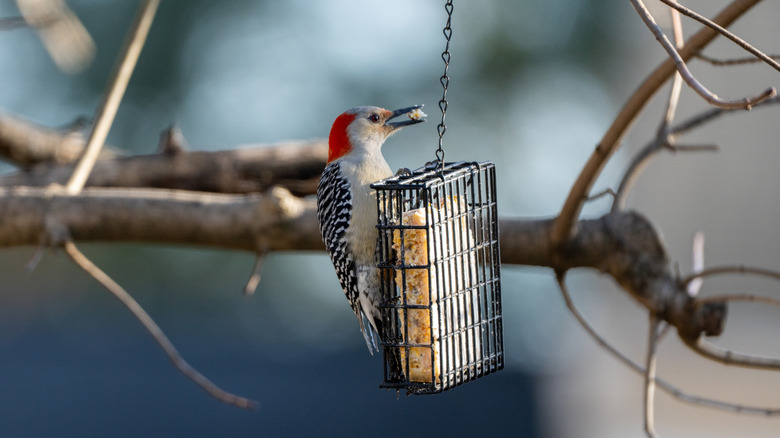
Credit: www.housedigest.com
Choosing And Offering Suet
Choosing and offering suet to birds requires care and attention. Suet is a high-energy food, perfect for birds in cold weather. It attracts many species, giving your garden life and color. Knowing the right type of suet and how to offer it keeps birds healthy and safe. This guide helps you pick the best suet and feed birds properly.
Types Of Suet Available
Suet comes in many forms, each suited for different birds and seasons. Here are common types:
- Plain suet cakes:Made from pure animal fat, ideal for winter feeding.
- Suet with seeds or nuts:Adds texture and extra nutrients.
- Fruit suet:Contains dried fruits, attracting fruit-eating birds.
- Insect suet:Includes mealworms or other insects, perfect for insect-eaters.
- Vegetarian suet:Plant-based fats for those avoiding animal products.
Choose suet based on the birds you want to attract and your local climate.
Safe Feeding Practices
Offering suet safely protects birds from harm and disease. Follow these tips:
- Use proper feeders:Suet cages prevent waste and keep suet fresh.
- Place feeders in safe spots:Away from predators and harsh wind.
- Change suet regularly:Replace suet every few days, especially in warm weather.
- Clean feeders often:Wash with hot water to stop mold and bacteria.
- Avoid suet with harmful additives:No salt, sugar, or artificial flavors.
Safe feeding encourages birds to return and enjoy the suet without risk.

Credit: www.livingwithbirds.com
Frequently Asked Questions
Why Do Birds Prefer Eating Suet In Winter?
Birds eat suet in winter because it provides high energy. Suet is rich in fats that help birds stay warm and active. It is especially vital when natural food is scarce. This makes suet an ideal energy source during cold months.
What Types Of Birds Eat Suet Regularly?
Woodpeckers, nuthatches, chickadees, and wrens commonly eat suet. These birds are attracted to suet’s high fat content. Many insect-eating birds rely on suet when insects are unavailable. Suet feeders help attract a diverse range of bird species.
How Does Suet Benefit A Bird’s Diet?
Suet provides essential fats and calories for birds. It supports their energy needs, especially during cold weather. This helps birds maintain body heat and survive harsh conditions. Suet also aids in feather growth and overall health.
Can Suet Attract Unwanted Animals Or Pests?
Yes, suet can attract squirrels, raccoons, and insects. To minimize this, use specialized suet feeders designed to deter pests. Place feeders in safe, elevated locations. Regular cleaning helps prevent unwanted visitors and keeps birds safe.
Conclusion
Birds eat suet because it gives them energy and warmth. Suet is rich in fat, which helps birds stay active, especially in cold weather. It also offers important nutrients that many other foods lack. Watching birds enjoy suet can bring joy and help you learn about different species.
Feeding suet supports bird health and encourages them to visit your yard more often. A simple suet feeder can make your garden a lively place. Suet really is a small treat with big benefits for wild birds.