
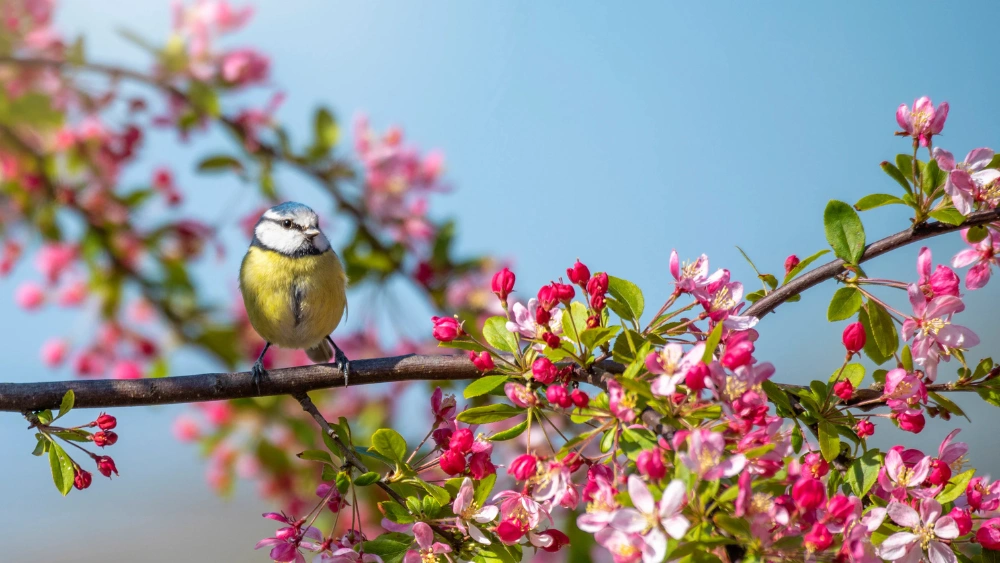
Have you ever found yourself gazing out the window, captivated by a tiny bird perched gracefully on an apple tree in your backyard? The vibrant scene can stir curiosity, prompting you to ask, “Which species of apple tree is that feathered visitor resting on?” Understanding the different species of apple trees not only enhances your appreciation for your own garden but also deepens your connection with nature.
You’ll uncover the fascinating relationship between birds and apple trees, and learn how to identify the specific species gracing your landscape. Keep reading to unlock the secrets of your leafy companions and the avian guests they attract, and transform your garden into a thriving, harmonious ecosystem.
Identifying Apple Tree Species
Identifying the species of an apple tree can be a fascinating part of birdwatching. The tree your feathered visitor chooses to perch on can reveal much about the local environment and the variety of apples you might find nearby. Understanding the characteristics of apple trees helps you connect more deeply with nature and enhances your overall observation experience.
Key Features Of Common Apple Trees
Apple trees vary in size, shape, and fruit appearance, but some features help you distinguish between species quickly. Look at the overall shape of the tree—some have a more rounded canopy, while others spread wide and low. The type and color of the fruit are also good clues; some apples are bright red, others green, and some have a yellow or pink blush.
Pay attention to the tree’s growth habit. For instance, the McIntoshoften has a more compact shape with medium-sized, red and green apples. Meanwhile, the Granny Smithhas a more upright growth and bright green fruit. These details make a big difference when identifying the tree at a glance.
Leaf Shapes And Bark Patterns
The leaves of apple trees are typically oval with serrated edges, but the size and texture can vary. Some species have leaves that are smooth and shiny, while others might be slightly fuzzy underneath. You can use these subtle differences to tell species apart when fruit isn’t present.
Bark texture also offers clues. Younger trees tend to have smooth bark, but as they age, it becomes rougher and may develop distinctive patterns. The Honeycrispapple tree, for example, often shows a flaky, peeling bark pattern, contrasting with the tighter, more furrowed bark of the Jonathanvariety.
Seasonal Changes To Note
Seasonal shifts affect apple trees in ways that help with identification. In spring, watch the blossoms—some apple species have pure white flowers, while others show a pinkish hue. The timing of flowering can also help you narrow down the species, as some bloom earlier than others.
During fall, observe the color change in leaves and fruit ripening. The Cortlandtree’s leaves turn a bright yellow, providing a clear visual cue. Noticing these seasonal changes can deepen your understanding of the tree’s identity and the environment around it.
Birds Commonly Found On Apple Trees
Apple trees are more than just fruit producers; they are vibrant ecosystems that attract a variety of birds. If you spot a bird perched on an apple tree, you’re likely witnessing a small but active community. Understanding which species are drawn to these trees can enrich your observation experience and help you identify the bird more accurately.
Species Attracted To Apple Trees
Several bird species commonly visit apple trees to feed, nest, or rest. You might see:
- American Robin:Known for their bright red bellies, robins love apple trees for the insects and worms they find around the roots and fallen fruit.
- House Finch:These small, colorful birds enjoy snacking on apple seeds and insects attracted to the tree.
- Woodpeckers:Often heard before seen, woodpeckers tap on apple tree trunks searching for insects beneath the bark.
- Blue Jays:These bold birds are attracted to the trees for both fruit and the insects living there.
- Chickadees:Small and curious, chickadees often forage among apple tree branches for insects and seeds.
Have you noticed any of these birds in your own apple orchard or garden?
Behavior And Habitat Preferences
Birds use apple trees for different reasons depending on their habits and survival needs. Some seek food, others find shelter or nesting spots.
Robins often forage on the ground near apple trees, turning over leaves and soil to catch worms. On the other hand, woodpeckers prefer the tree trunks, tapping to find insects hiding under the bark.
House finches and chickadees frequently stay in the branches, feeding on seeds and insects, while blue jays might be spotted gathering fallen fruit or scouting for nesting materials nearby.
When you watch these birds, consider what they might be seeking—food, protection, or a place to raise their young. This insight can deepen your connection with nature and improve your bird identification skills.
Matching Bird Perch To Tree Type
Matching the bird perched on an apple tree to the specific species of that tree involves more than just spotting the bird. Understanding how birds choose their perching spots can reveal clues about the tree’s type. This approach helps you connect bird behavior directly to the characteristics of different apple trees in your area.
How Birds Choose Perching Spots
Birds pick their perches based on safety, food availability, and comfort. Some apple tree species have thicker branches, offering better support, while others have denser foliage for protection. You might notice a bird favoring a tree with sturdy limbs over one with thinner branches.
Seasonal changes also affect bird choices. During fruiting season, birds often settle on apple trees heavy with ripe fruit. This behavior can hint at the species since some apple varieties produce fruit earlier or later than others.
Indicators From Bird Activity
Look at the type of bird activity to identify the apple tree species. Birds that feed on insects might prefer trees with rough bark, which hosts more bugs. On the other hand, fruit-eating birds are drawn to trees with visible clusters of apples.
Notice where birds build nests or rest frequently. Apple trees with dense, low branches often attract smaller birds. Observing these patterns gives you practical clues to narrow down the species.
Have you ever watched a bird’s behavior and guessed the tree type correctly? Paying attention to these subtle signs sharpens your observation skills and deepens your understanding of nature right in your backyard.

Credit: www.gettyimages.co.uk
Tools For Tree And Bird Identification
Identifying both the apple tree species and the bird perched on it requires specific tools. Using the right resources can make this task easier and more accurate. These tools help you observe, record, and compare features in nature.
Simple guides and modern technology both play important roles. A few helpful tools improve your chances of correctly identifying the tree and bird species.
Using Field Guides And Apps
Field guides are books with pictures and descriptions of trees and birds. They help match what you see to known species. Choose guides for your local area for best results.
Mobile apps offer quick identification using photos or sounds. Some apps let you take pictures and get instant suggestions. They also store your observations for future reference.
- Use clear photos to compare leaf shapes, bark, and fruit.
- Listen to bird calls with apps for better bird ID.
- Cross-check multiple sources for confirmation.
Photography Tips For Observation
Taking good photos helps capture details that aid identification. Focus on the bird and parts of the tree like leaves, branches, and fruit.
Use natural light to show true colors and textures. Avoid blurry pictures by holding the camera steady or using a tripod.
- Zoom in to capture small features without disturbing the bird.
- Take multiple shots from different angles.
- Include a reference object for size comparison.
Credit: swibirds.org
Frequently Asked Questions
What Are Common Apple Tree Species Birds Prefer?
Birds often perch on Malus domestica, Malus sieversii, and crabapple trees. These species offer fruits, shelter, and nesting spots, attracting various bird types.
How To Identify Apple Tree Species By Leaves?
Look for leaf shape, size, and edge patterns. Malus domestica leaves are oval with serrated edges, while crabapple leaves are smaller and rounder.
Why Do Birds Choose Apple Trees For Perching?
Apple trees provide fruits, insects, and safe resting spots. Their branches offer good vantage points and protection from predators, making them ideal for birds.
Can The Type Of Apple Tree Affect Bird Species Variety?
Yes, different apple species attract varied bird species. Crabapple trees often draw more songbirds, while larger apple trees might host raptors or woodpeckers.
Conclusion
This bird perched on the apple tree adds charm to nature’s scene. Identifying the species helps us appreciate local wildlife more. Each apple tree species offers different fruits and habitats. Birds often choose trees with ample food and shelter. Observing these connections deepens our understanding of nature’s balance.
Next time you see a bird on a tree, pause and think. Which apple tree species might it be? Nature’s small details tell big stories worth exploring. Keep watching and learning from the world around you.