
Have you ever watched a bird and marveled at its ability to thrive in different environments? Birds are not just creatures of beauty; they are masters of adaptation, employing various behaviors to survive and flourish.
But what exactly is a behavior adaptation in birds, and why should it matter to you? Understanding these adaptations can enrich your appreciation of the natural world and even inspire you in unexpected ways. Imagine being able to fly thousands of miles without a map or knowing when and where to find food in a seemingly barren landscape.
Birds do this effortlessly, thanks to their unique behavioral adaptations. These behaviors are not just random acts; they are finely tuned strategies developed over time to help birds navigate the challenges of their environment. Curious to discover which behaviors are true adaptations in birds and how they impact their survival? By diving into this fascinating topic, you’ll gain insights into the wonders of nature and perhaps uncover lessons that resonate with your own life. Stick with us as we explore the remarkable world of bird behavior adaptations, and you might find yourself looking at these feathered creatures in a whole new light.
Credit: www.thetransmitter.org
Key Behavior Adaptations In Birds
Birds show many behavior adaptations that help them live and survive. These actions are learned or instinctive. They help birds find food, protect themselves, and raise their young.
Behavior adaptations can be simple or complex. Some happen daily, while others occur during special seasons. Understanding these behaviors reveals how birds thrive in different environments.
Many birds travel long distances to find better food and weather. Migration helps them avoid cold winters and find safe places to breed. They use the sun, stars, and Earth’s magnetic field to guide their path.
Nesting And Parenting
Birds build nests to keep eggs safe. Some choose hidden spots, others build strong nests. Parents take turns feeding and protecting their chicks until they can fly and find food.
Foraging Techniques
Birds have different ways to find food. Some pick insects off leaves, others dive into water. Some use tools, like sticks, to get insects from tree bark. These methods help them eat in many habitats.
Communication And Song
Birds use songs and calls to talk. They warn others about danger, attract mates, or mark territory. Each species has unique sounds. This helps birds survive and reproduce.
Migration Patterns
Bird migration is one of the most fascinating behavior adaptations in birds. It helps them survive by moving to better places during different seasons. Birds travel long distances to find food, warmth, and safe places to raise their young. Migration patterns vary widely among species, showing the diversity of these adaptations.
These patterns are not random. Birds use the Earth’s magnetic field, the sun, stars, and landmarks to guide their journeys. Migration timing and routes are often inherited and can change over generations to improve survival chances.
Types Of Migration Patterns
- Complete Migration:Entire populations move between breeding and wintering areas.
- Partial Migration:Only some members of a species migrate, while others stay.
- Altitude Migration:Birds move up or down mountains depending on the season.
- Nomadic Movement:Irregular travel to find food, not tied to seasons.
How Birds Navigate During Migration
Birds use multiple tools to find their way. They sense the Earth’s magnetic field. They follow the sun during the day and stars at night. Landmarks like rivers and mountains also guide them. Some birds use smell to locate their destination.
Benefits Of Migration For Birds
- Access to abundant food in warmer climates.
- Avoidance of harsh weather and cold winters.
- Better breeding sites with fewer predators.
- Reduced competition for resources during different seasons.
Feeding Strategies
Birds have evolved many feeding strategies to survive in different environments. Their behavior adaptations help them find, catch, and eat food efficiently. These strategies improve their chances of living and reproducing.
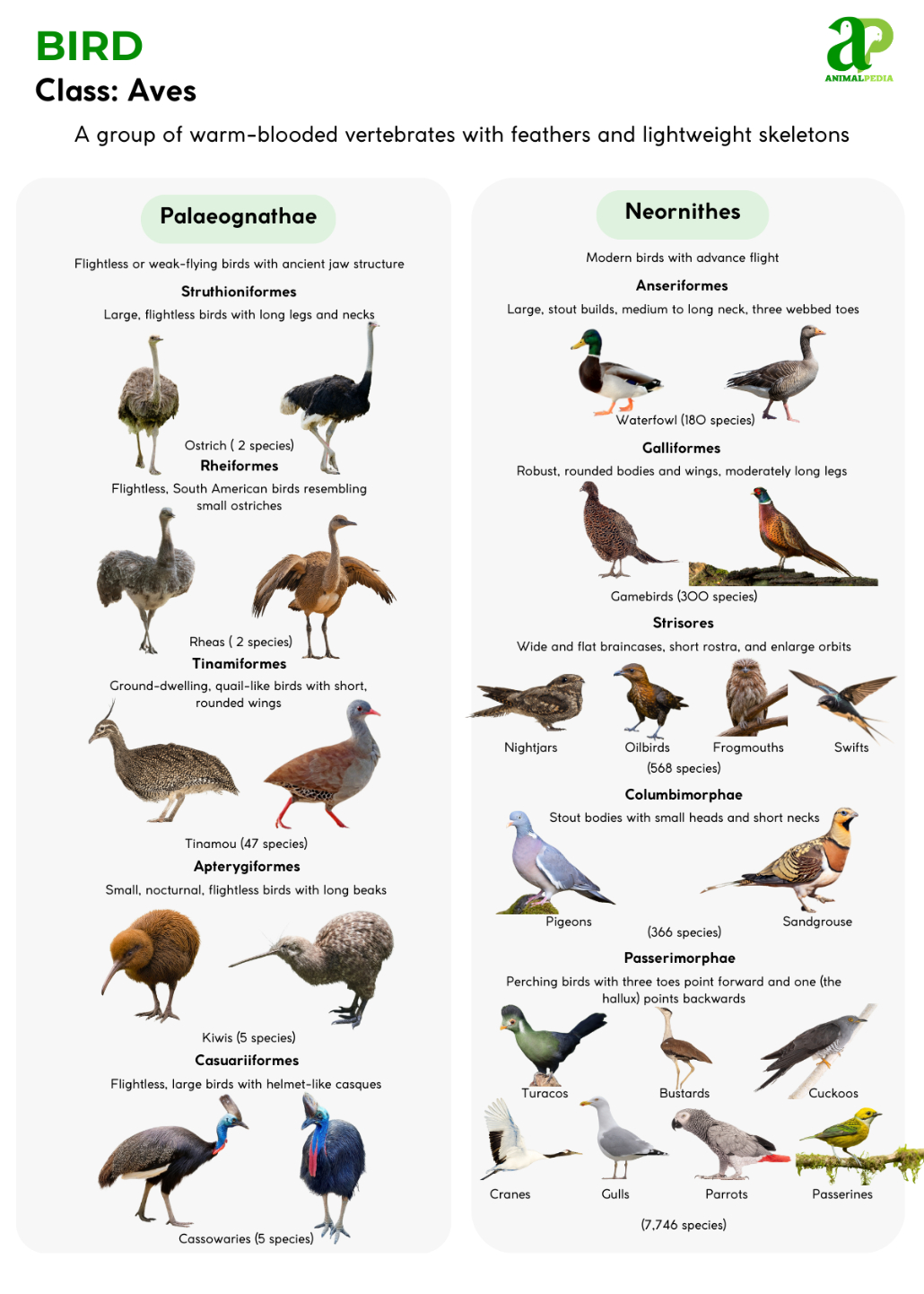
Some birds hunt insects, while others eat seeds or fish. Feeding strategies depend on the bird’s habitat and physical traits like beak shape and size. These behaviors show how birds adapt to their surroundings and food availability.
Foraging Techniques
Many birds use specific ways to search for food. Some walk on the ground, pecking at seeds or insects. Others probe mud or bark to find hidden prey. These techniques help birds access food that other animals cannot reach.
Tool Use
Certain birds use objects to get food. For example, some use sticks to pull insects from tree bark. This behavior shows problem-solving skills and helps birds reach food more easily.
Group Feeding
Some birds feed in groups to increase success. They work together to find food or scare prey. Group feeding also offers protection from predators while eating.
Specialized Diets
Many birds have diets focused on specific foods. Hummingbirds drink nectar, while woodpeckers eat insects inside trees. These specialized diets reduce competition and help birds thrive in their niches.
Credit: animal-pedia.org
Nesting And Mating Behaviors
Nesting and mating behaviors in birds are key examples of behavior adaptations that increase their chances of survival and reproduction. These behaviors are not random; they are carefully shaped by evolution to meet environmental challenges and improve offspring success. By observing these behaviors, you can learn how birds use strategy and instinct to thrive.
Nesting Site Selection
Birds choose nesting sites with great care. They look for safety from predators, protection from the weather, and proximity to food sources. Some birds, like the cliff swallow, build nests on vertical surfaces to avoid ground predators, while others prefer dense bushes to hide their eggs.
Have you ever noticed how some birds build nests near human homes? This shows their ability to adapt to changing environments by using available resources.
Building The Nest
Nest building is a skillful behavior where birds collect and arrange materials like twigs, leaves, and feathers. The structure varies widely—from simple scrapes on the ground to intricate woven nests. This construction protects eggs and chicks from elements and predators.
Watching a bird gather materials teaches you about their problem-solving skills. They often reuse or repair nests, showing energy efficiency in their behavior.
Courtship Displays And Mating Rituals
Mating behaviors include unique courtship displays like singing, dancing, or showing colorful feathers. These displays help birds attract mates and demonstrate their fitness. For example, peacocks fan their tail feathers to impress potential partners.
Think about how these behaviors could inspire you in your own efforts to stand out or connect with others. Birds use creativity and persistence, traits useful in many areas of life.
Parental Care And Feeding
After mating, many birds show strong parental care by feeding and protecting their young. This behavior increases chick survival and teaches important skills. Some species share parenting duties equally, which strengthens their bond and boosts offspring success.
Consider how sharing responsibilities in your life can lead to better outcomes, just as it does in the bird world.

Credit: bioengineer.org
Frequently Asked Questions
What Is A Behavior Adaptation In Birds?
A behavior adaptation in birds is an action that helps them survive. It includes migration, nesting, and feeding habits. These behaviors improve their chances of finding food and avoiding predators. They change based on environmental conditions to ensure survival.
How Do Birds Use Migration As Behavior Adaptation?
Birds migrate to warmer areas during cold seasons. This behavior helps them access food and suitable breeding grounds. Migration avoids harsh weather and increases survival chances. It is a key adaptation for many bird species worldwide.
Why Do Birds Build Nests As A Behavior Adaptation?
Building nests protects eggs and young birds from predators and weather. It provides a safe place for raising offspring. Nesting behavior varies by species and environment. This adaptation increases the survival rate of their young.
How Does Feeding Behavior Adapt To Environments?
Birds change their feeding habits based on available food. Some birds use tools to get food, others hunt or forage. This behavior helps them thrive in various habitats. Feeding adaptation ensures they get enough nutrients year-round.
Conclusion
Birds change their behavior to survive in nature. These behavior adaptations help them find food and stay safe. Some birds migrate to warmer places during winter. Others build nests in hidden spots to protect their young. Understanding these behaviors shows how smart and flexible birds can be.
Watching birds closely reveals many interesting habits. Nature teaches us how animals adjust to their world. This knowledge helps us appreciate and protect them better. Birds’ behavior adaptations are key to their survival and success.