
Imagine stepping into your garden one morning and noticing the familiar chirping has vanished. The trees stand silent, the air seems still, and you can’t help but wonder where the birds have gone.
When birds lose their habitat, they become vulnerable, turning into easy targets for predators, environmental hazards, and even extinction. This isn’t just a distant problem—it impacts you directly. Your environment, your ecosystem, and even your day-to-day life are intertwined with the fate of these feathered friends.
What happens when the homes of birds disappear? How does it affect you and the world around you? Dive into this article to uncover the hidden connections between lost bird habitats and the fragile balance of nature. Discover the steps you can take to make a difference and protect these vital creatures before it’s too late.
Credit: www.smithsonianmag.com
Impact Of Habitat Loss On Bird Safety
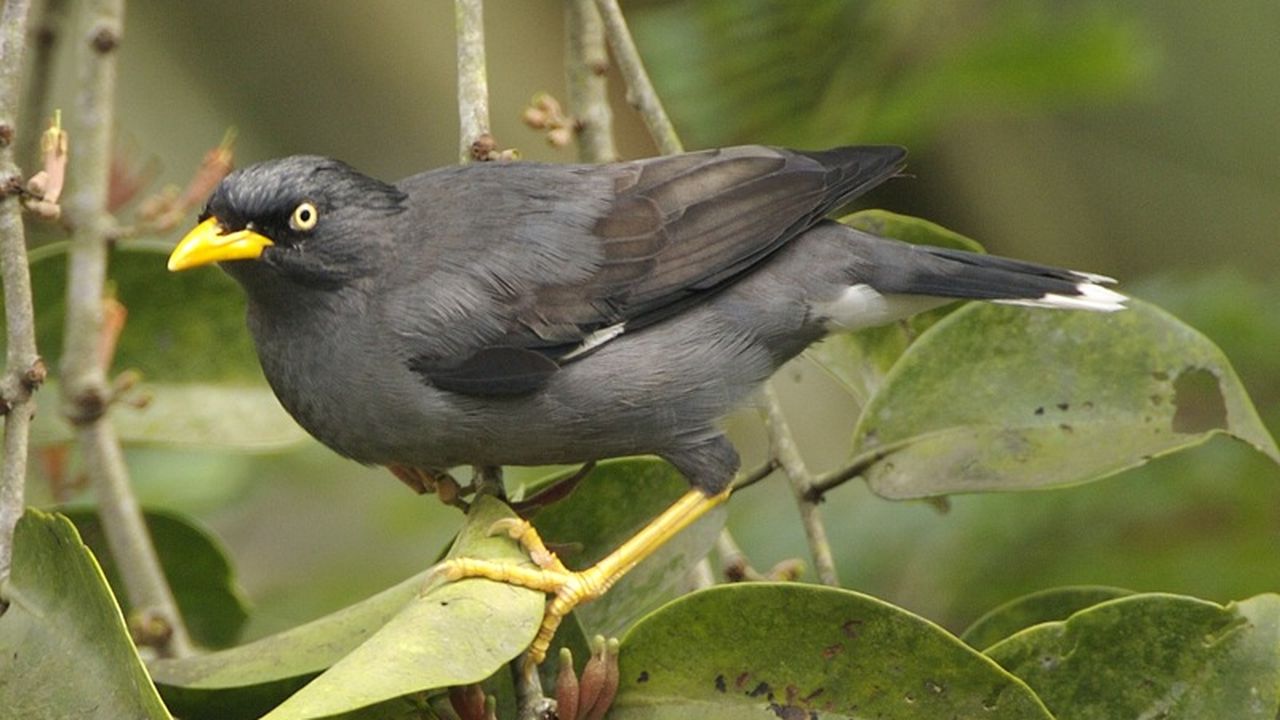
Birds depend heavily on their habitats for shelter, food, and safety. When these habitats shrink or disappear, birds become vulnerable in new and dangerous ways. Understanding how habitat loss affects bird safety helps you see why protecting natural spaces matters beyond just preserving beauty.
Increased Exposure To Predators
Without dense trees or thick bushes, birds lose their natural hiding spots. This leaves them more visible and easier targets for predators like hawks, cats, and snakes.
Imagine walking through an open field without any cover—you’d feel exposed and unsafe. Birds feel the same way when their habitats are cleared.
Disruption Of Nesting Sites
Habitat loss often means fewer safe places to build nests. Birds may be forced to nest in less secure areas, increasing the chance that eggs and chicks won’t survive.
Have you noticed how some birds start nesting near human homes after trees are cut down? This shift can expose them to new dangers like pets and human interference.
Loss Of Food Sources
When habitats disappear, so do the insects, seeds, and fruits birds rely on. Struggling to find food weakens birds, making them slower and less able to escape threats.
Think about how your energy drops when you don’t eat well—birds experience the same, which puts their safety at risk.
Increased Competition And Stress
With fewer places to live, birds crowd into remaining areas. This overcrowding leads to fights over space and resources, increasing stress and vulnerability.
High stress levels can lower a bird’s immune system, making it easier for diseases to spread. Have you ever felt stressed when your personal space is invaded? Birds do too.

Credit: www.wildlifenomads.com
Common Predators Taking Advantage
Birds lose their homes due to deforestation, urban growth, and farming. Without safe places to hide, they become easy prey. Predators find these birds vulnerable and increase their attacks. Understanding which animals hunt birds helps protect them better.
Snakes
Snakes are silent hunters that wait near nests. They eat eggs, chicks, and even adult birds. Trees without thick leaves make it easier for snakes to spot nests. Birds lose their safety when their habitat shrinks.
Domestic Cats
Outdoor cats are skilled hunters of birds. They stalk and catch birds on the ground or in low bushes. Cats can reduce local bird numbers quickly. Birds cannot escape easily without dense cover.
Raptors
Hawks, eagles, and owls hunt birds from above. Open areas with fewer trees give them a clear view. They swoop down fast and catch birds unaware. Loss of habitat means fewer hiding spots for prey.
Raccoons And Other Mammals
Raccoons climb trees to raid bird nests. They eat eggs and young birds. Other mammals, like foxes, hunt birds on the ground. Birds are more exposed without thick vegetation to hide in.
Behavioral Changes In Displaced Birds
When birds lose their natural habitats, their behavior changes dramatically. These shifts are often survival tactics but can make them more vulnerable to predators and other dangers. Understanding these behavioral changes can help you see why protecting their homes is crucial.
Changes In Foraging And Feeding Patterns
Displaced birds often struggle to find familiar food sources. They might start searching in open or unfamiliar areas, which increases their exposure to predators. You might notice birds visiting your backyard more frequently, trying to adapt to limited food options.
Have you ever observed a bird acting unusually bold or desperate near your window or feeder? This behavior usually stems from hunger and habitat loss, showing how survival instincts kick in.
Altered Social Behavior And Communication
Birds rely on calls and songs to communicate territory and attract mates. When displaced, their usual communication patterns can become confused or less effective. This can lead to increased stress and difficulty in finding mates or defending themselves.
You might hear birds singing at odd times or in different ways, signaling their struggle to adapt. These changes can disrupt breeding cycles and reduce population numbers.
Increased Risk-taking And Exposure
Without the safety of familiar trees and shrubs, displaced birds take more risks. They may fly lower or venture into urban areas where dangers like cats, cars, and pollution are more common. These risky behaviors make them easy targets for predators.
Have you seen birds near busy roads or in backyards where they usually wouldn’t be? This is a sign that their natural hiding spots have vanished, forcing them into unsafe situations.
Conservation Efforts To Protect Bird Habitats
Conservation efforts play a crucial role in protecting bird habitats, especially as these environments shrink due to human activity. When birds lose their natural homes, they become vulnerable to predators and other dangers. Protecting these habitats not only saves bird populations but also maintains the balance of entire ecosystems.
Habitat Restoration Projects
Restoring damaged habitats helps birds find safe places to live and breed again. This can involve planting native trees, removing invasive species, or cleaning polluted areas. You might be surprised how quickly birds return to a well-restored area once their habitat improves.
Establishing Protected Areas
Setting aside land as wildlife reserves or national parks gives birds a sanctuary free from development and hunting. These protected zones ensure that critical habitats remain intact. Have you ever visited a bird sanctuary? The variety and number of birds you see is often a sign of successful protection.
Community Engagement And Education
Local communities can become powerful allies in conservation when they understand how important bird habitats are. Education programs teach people how their actions affect wildlife and encourage habitat-friendly practices. When you share what you learn, you help create a network of bird defenders.
Legislation And Policy Support
Strong laws can prevent habitat destruction and regulate activities like logging and urban expansion. Enforcement is key; without it, policies fail to protect birds effectively. What policies exist in your area, and how well are they enforced to protect bird habitats?
Citizen Science And Monitoring
Volunteers can help track bird populations and habitat health through citizen science projects. This data guides conservation decisions and highlights areas needing urgent attention. Participating in such projects connects you directly to conservation efforts and makes your impact tangible.
Credit: animal-pedia.org
Frequently Asked Questions
Why Are Birds Vulnerable Without Their Natural Habitat?
Birds lose shelter and food sources when habitats disappear. This makes them easy targets for predators and environmental dangers.
How Does Habitat Loss Increase Bird Predation Risks?
Reduced cover exposes birds to predators. Lack of hiding spots and nesting areas raises their chances of being hunted.
What Predators Benefit From Birds Losing Habitats?
Common predators include cats, snakes, and larger birds. These animals exploit the exposed, vulnerable birds in degraded environments.
Can Habitat Restoration Reduce Bird Vulnerability?
Yes, restoring habitats provides shelter and food. This lowers predation risk and helps bird populations recover naturally.
Conclusion
Birds need safe homes to live and grow. Losing their habitat makes them weak and easy prey. Protecting forests and wetlands helps birds stay safe. People must care about nature to keep birds alive. Small actions can make a big difference for wildlife.
Let’s work together to save bird habitats today. Nature depends on us.