

Are you thinking about adding a feathered friend to your family? Birds can make delightful and fascinating pets, offering companionship and a splash of color to your life.
With so many different types of birds available, it might feel overwhelming to choose the perfect one for you. But don’t worry, we’ve got you covered! This article will guide you through the various types of birds you can have as pets, helping you find the right match for your lifestyle and home.
Stick with us, and you’ll soon discover which feathered companion is destined to bring joy and chirps to your world.
:strip_icc()/parakeet-budgie-budgerigar-952787256-5b52a7d046e0fb0037bec8a7.jpg)
Credit: www.thesprucepets.com
Small Parrots
Small parrots make great pets for many bird lovers. They are colorful, social, and often easy to care for. Their size fits well in apartments or smaller homes. Many small parrots are playful and enjoy interaction with their owners. They can bring joy and liveliness to any household. Here are some popular types of small parrots to consider.
Budgerigars
Budgerigars, also called budgies, are one of the most common pet birds. They are small, usually about 7 inches long. Budgies come in many colors, from green to blue and yellow. They are friendly and enjoy talking or whistling. Budgerigs need toys and social time to stay happy. They live about 5 to 10 years with good care.
Lovebirds
Lovebirds are small parrots known for their strong pair bonds. They are about 5 to 7 inches long. These birds are very colorful and active. Lovebirds enjoy climbing and chewing on toys. They need attention and mental stimulation daily. Lovebirds can be loud but are affectionate pets. Their lifespan ranges from 7 to 12 years.
Cockatiels
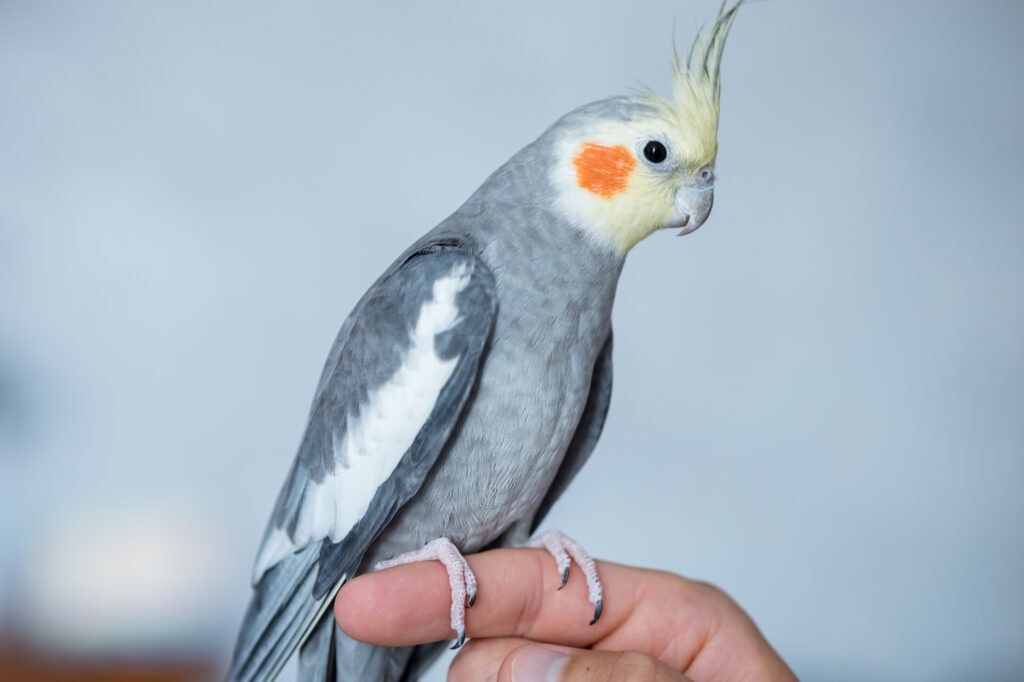
Cockatiels are slightly larger than budgies and lovebirds. They measure around 12 inches in length. Cockatiels have a distinctive crest on their heads. They are gentle and often enjoy being petted. These birds can mimic sounds and simple words. Cockatiels need space to stretch their wings. Their life expectancy is about 10 to 15 years.

Credit: www.yahoo.com
Larger Parrot Species
Larger parrot species make captivating pets, known for their intelligence and vibrant personalities. They require commitment, space, and social interaction. If you’re ready to welcome a big bird into your life, understanding the traits of popular larger species is essential.
African Grey Parrots
African Grey Parrots are often called the smartest of pet birds. They have an impressive ability to mimic human speech and sounds with clarity. These birds thrive on mental stimulation and need plenty of interaction to stay happy.
Owning an African Grey means preparing for a bird that can form a strong bond with you. They demand patience and consistency but reward you with remarkable communication skills. Have you ever tried teaching a bird to talk? This species might just surprise you.
Amazons
Amazons are known for their playful and sometimes mischievous nature. They enjoy socializing and can be quite loud, so consider your living environment carefully. Their bright green feathers often have splashes of other colors, making them visually striking pets.
These parrots are energetic and need daily exercise outside their cage. Training sessions and toys can help channel their energy positively. Could you provide the time and space an Amazon needs to thrive?
Macaws
Macaws are among the largest parrot species and are famous for their stunning plumage and outgoing personalities. They require large cages and plenty of room to fly and stretch their wings. Macaws are social and can become very attached to their owners.
Their strong beaks mean they need durable toys and supervision during playtime. They are known to live for several decades, so think long term before choosing a Macaw. Are you prepared for a lifelong companion that demands attention and care?
Non-parrot Pet Birds
Not every bird pet needs to be a parrot. Non-parrot pet birds offer a range of personalities, sizes, and care needs that can suit different lifestyles. These birds often require less space and can be easier to care for, making them excellent choices for first-time bird owners or those with limited room.
Canaries
Canaries are famous for their beautiful singing and bright colors. They thrive well in cages with plenty of room to fly and enjoy a diet of seeds and fresh vegetables. If you want a lively and melodious companion, canaries bring joy without demanding much interaction.
Have you ever noticed how a canary’s song can brighten a quiet room? They don’t need much handling, so they suit people who prefer to observe rather than constantly engage with their pet.
Finches
Finches are small, social birds that do well in pairs or small groups. Their cheerful chirping and active nature make them delightful to watch. Finches require a cage with ample horizontal space to fly and a diet rich in seeds, supplemented with greens.
One surprising fact about finches is how quickly they establish social bonds with their flock. If you want a pet that enjoys company, finches might motivate you to create a small bird community in your home.
Doves
Doves are gentle and calm birds that form strong bonds with their owners. They appreciate quiet environments and regular interaction, which can make them very affectionate pets. Their diet includes seeds, grains, and occasional fruits.
Have you considered how the peaceful presence of a dove could change your living space? Their soft cooing and serene behavior often bring a sense of calm, perfect for those seeking a pet that adds tranquility to their home.
Choosing The Right Bird
Choosing the right bird as a pet is very important. Birds need different things to be happy and healthy. Knowing what suits your home and lifestyle helps make the best choice. Some birds need lots of space and time, while others are easier to care for.
Think about the space you have and how much time you can spend with your bird. Birds can be lively and social or calm and quiet. Learning about their care needs and how long they live also matters. This guide will help you understand what to consider before choosing a pet bird.
Space And Environment
Birds need enough space to move and fly. Small birds like finches need less space than big parrots. A large cage or room is ideal for bigger birds. The environment should be safe and free from drafts.
Noise levels matter too. Some birds are loud and may not fit well in quiet homes. Think about where you will place the cage. Natural light and fresh air help birds stay healthy.
Temperament And Interaction
Birds have different personalities. Some love to be handled and played with. Others prefer to watch quietly from their cage. Choose a bird that matches how much you want to interact.
Parrots and cockatiels enjoy social time and can learn tricks. Budgies and canaries are cheerful but less demanding. Understanding a bird’s temperament helps avoid frustration for you and the pet.
Care And Lifespan
Caring for a bird means daily feeding, cleaning, and attention. Some birds live only a few years. Others, like parrots, can live over 50 years. Think about your ability to care for a bird long-term.
Regular vet visits keep birds healthy. Feeding varies by species and includes seeds, fruits, and vegetables. Knowing these needs helps keep your bird happy and well.
Credit: www.chewy.com
Frequently Asked Questions
What Are The Most Popular Pet Birds?
Popular pet birds include parakeets, cockatiels, lovebirds, and African grey parrots. They are friendly, social, and adapt well to home life.
Can You Keep Exotic Birds As Pets?
Yes, exotic birds like macaws and cockatoos can be pets. They require special care, space, and a balanced diet for health.
Which Bird Species Are Best For Beginners?
Budgerigars, canaries, and finches are ideal for beginners. They are low-maintenance, social, and require less space and attention.
How Long Do Pet Birds Typically Live?
Pet bird lifespans vary by species, ranging from 5 to 80 years. Larger birds generally live longer than smaller ones.
Conclusion
Choosing the right pet bird depends on your lifestyle and space. Small birds like budgies suit beginners well. Larger birds need more care and attention daily. Each bird has unique needs and personalities to learn. Spending time with your pet builds trust and happiness.
Think about your time and budget before deciding. Birds can bring joy and companionship to any home. Care and love help your bird thrive and stay healthy. Enjoy the journey of having a feathered friend by your side.