

Are you struggling to capture sharp, stunning photos of birds in flight or perched far away? Choosing the right lens size can make all the difference between blurry shots and breathtaking images.
But with so many options out there, how do you know which lens is best for your bird photography needs? You’ll discover exactly what lens size works best for different types of bird photography, helping you get closer to your feathered subjects and take your photos to the next level.
Keep reading, because the perfect lens for your next bird adventure is just a few paragraphs away.

Credit: www.youtube.com
Choosing The Right Focal Length
Choosing the right focal length is key to capturing sharp, detailed bird photos. The focal length affects how close you can get to your subject without disturbing it. It also influences the background blur and composition. Picking the correct lens size depends on your shooting style and the type of birds you want to photograph.
Telephoto Vs Super Telephoto
Telephoto lenses usually range from 100mm to 300mm. They work well for larger birds or those that come closer to you. These lenses are lighter and easier to carry during long walks.
Super telephoto lenses go beyond 300mm, often reaching 600mm or more. They help capture small or distant birds with great detail. These lenses are heavier and may require a tripod for stability. Ideal for wildlife photographers who shoot from a distance.
Prime Vs Zoom Lenses
Prime lenses have a fixed focal length. They often offer better image quality and faster apertures. Primes are great for specific bird types or environments. You must move to adjust framing.
Zoom lenses cover a range of focal lengths. They provide flexibility to quickly change composition. Zooms are perfect for varied bird sizes and distances. Slightly heavier but highly versatile for bird photography.
Factors Affecting Lens Size
Choosing the right lens size for bird photography depends on several important factors. These elements influence how close you can get to your subject and how detailed your images will be. Understanding these factors helps you pick a lens that fits your style and needs.
Bird Size And Distance
Different birds require different lens sizes. Small birds like warblers are often hard to capture from a distance, so you need a longer focal length, usually 300mm or more, to fill the frame. Larger birds like eagles or herons can be photographed with shorter lenses, sometimes around 200mm.
Your shooting distance matters a lot. If you can get physically closer, a shorter lens might work well. But if the bird is shy or dangerous, a longer lens lets you keep a safe space without losing detail.
Habitat And Shooting Conditions
Where you shoot affects your lens choice too. In open areas like fields or wetlands, longer lenses help capture birds at a distance. Dense forests or bushes might limit your movement, making a versatile zoom lens more practical.
Lighting conditions also play a role. Early mornings or cloudy days often require lenses with wider apertures (like f/2.8 or f/4) to let in more light. Think about how often you’ll shoot in tough light before choosing your lens size.
Popular Lens Options For Bird Photography
Choosing the right lens is key for bird photography. Different lenses offer varying zoom ranges and image quality. Selecting a lens depends on your budget and shooting style. Popular lens options range from affordable zoom lenses to high-end telephoto primes. Each has strengths that suit different bird photography needs.
Top Telephoto Lenses
Telephoto lenses with focal lengths of 300mm or more capture birds from a distance. These lenses bring distant subjects close without disturbing them. They deliver sharp images and beautiful background blur. Many professional bird photographers prefer telephoto primes or zoom lenses for their clarity and reach.
- 300mm f/4 or f/5.6 lenses offer good reach with manageable size.
- 400mm to 600mm lenses provide excellent detail and separation from backgrounds.
- Super-telephoto lenses like 600mm f/4 deliver outstanding sharpness but are heavy and costly.
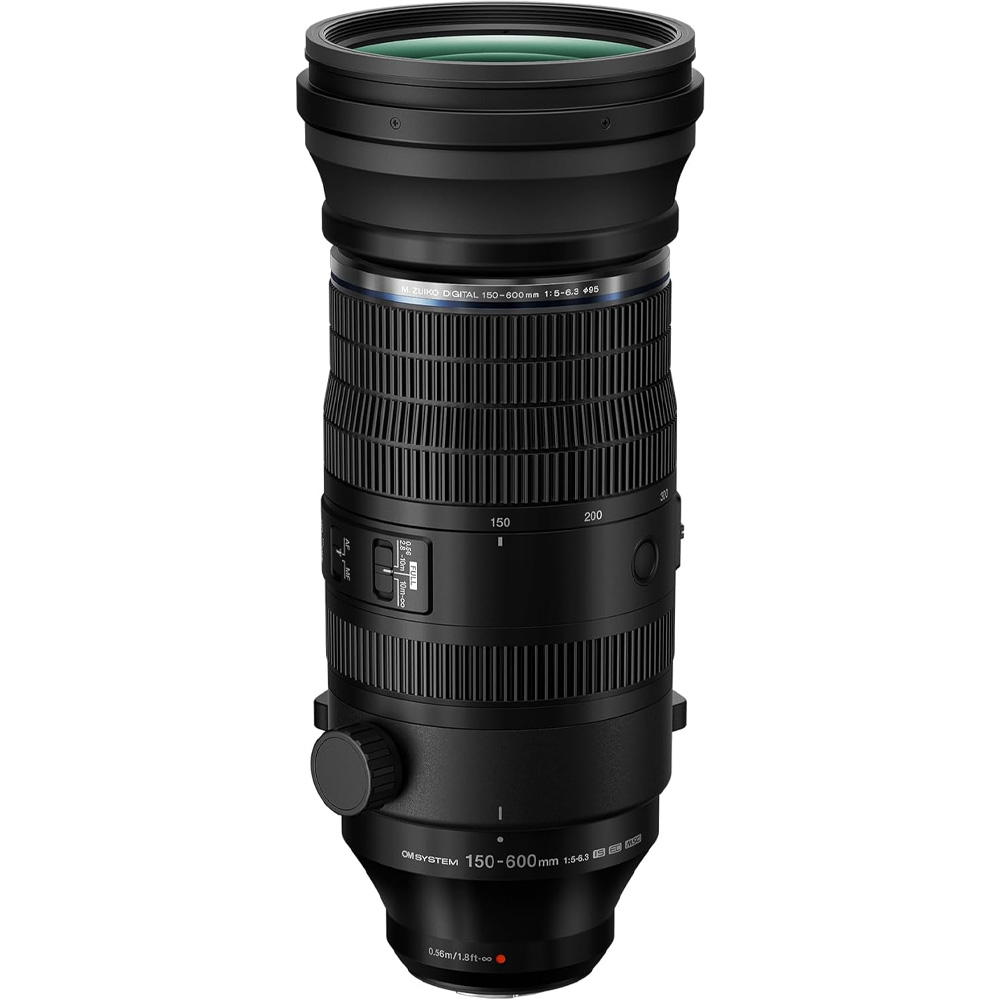
- Zoom lenses like 100-400mm or 150-600mm offer versatility for different bird sizes.
Budget-friendly Choices
Affordable lenses work well for beginners and hobbyists. These lenses balance price and performance. They help you learn without heavy investment. Zoom lenses with moderate telephoto ranges suit many bird photography situations.
- 70-300mm lenses are lightweight and easy to carry.
- Older telephoto lenses can be found used at low prices.
- Third-party brands offer good quality lenses at lower costs.
- Extenders increase focal length but may reduce image sharpness.
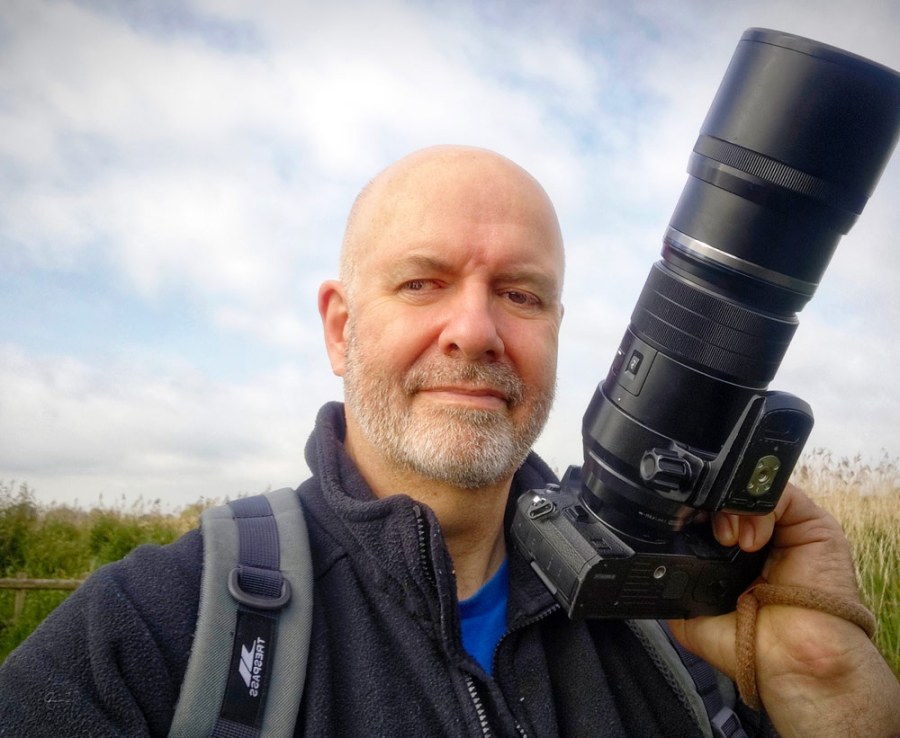
Credit: amateurphotographer.com
Lens Accessories And Support Gear
Bird photography requires the right lens and essential accessories. These tools enhance your photography experience. They support your lens, improve image quality, and offer protection. Investing in quality gear can significantly impact your results.
Tripods And Monopods
Stability is crucial in bird photography. Tripods provide excellent support. They reduce camera shake, giving sharper images. Choose a sturdy tripod with adjustable legs. This flexibility helps in uneven terrains. For more mobility, consider a monopod. It offers support with easy movement. Lightweight and portable, it’s perfect for quick shots. Both options enhance your shooting experience.
Lens Hoods And Filters
Lens hoods protect against glare. They improve contrast and color saturation. A hood also shields your lens from damage. Filters add versatility to your photography. UV filters protect against scratches and dust. Polarizing filters reduce reflections. They enhance colors in bright conditions. Both accessories are valuable for capturing stunning bird images.
Credit: www.livescience.com
Frequently Asked Questions
What Is The Ideal Lens Size For Bird Photography?
A 300mm to 600mm telephoto lens is ideal for bird photography. It allows close-up shots without disturbing birds. Longer lenses help capture sharp, detailed images from a distance, essential for wildlife photography.
Can I Use A Zoom Lens For Bird Photography?
Yes, a zoom lens like 100-400mm offers flexibility in framing shots. It’s versatile for different bird sizes and distances. Zoom lenses are great for beginners and help capture birds in various environments.
Why Choose A Prime Lens Over Zoom For Birds?
Prime lenses provide sharper images and wider apertures for better low-light performance. They are lighter and faster, ideal for capturing quick bird movements. However, they lack zoom flexibility, requiring more precise positioning.
How Does Lens Aperture Affect Bird Photography?
A wider aperture (f/2. 8 to f/5. 6) allows more light, enabling faster shutter speeds. This helps freeze bird motion and create a blurred background. It improves image sharpness and isolates the bird from distractions.
Conclusion
Choosing the right lens size matters for clear bird photos. Bigger lenses bring birds closer and show more details. Smaller lenses are easier to carry and use. Think about your budget, type of birds, and where you shoot. Practice helps you find what works best.
With the right lens, your bird photos will look sharp and beautiful. Keep trying and enjoy capturing nature’s beauty.