

Have you ever wondered where birds feel most at home? The places they choose to live are not random—they depend on many things like food, safety, and climate.
Understanding the kinds of habitats birds prefer can change the way you see your own backyard or the parks you visit. You’ll discover the surprising variety of bird habitats and learn how these amazing creatures adapt to their environments. Keep reading to unlock the secrets of where birds live and why it matters to you.
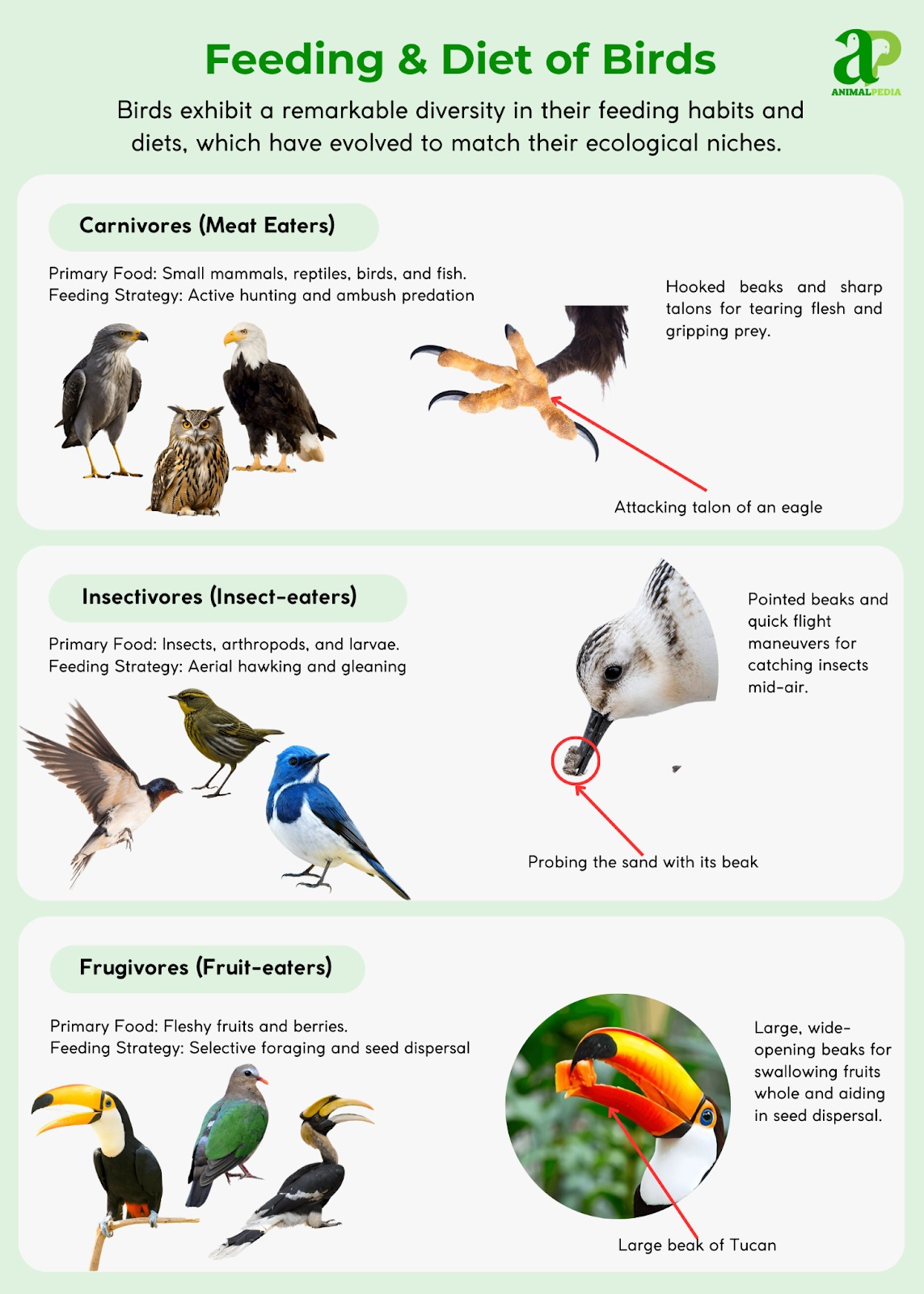
Credit: animal-pedia.org
Forest Homes
Birds find forests to be some of the most diverse and resource-rich habitats on Earth. These forest homes offer shelter, food, and breeding sites, each shaped by the unique characteristics of the forest type. Understanding the differences among these habitats can help you appreciate how birds adapt and thrive in their surroundings.
Tropical Rainforests
Tropical rainforests are buzzing with life and provide birds with a complex, layered environment. You’ll find birds nesting high in the canopy where fruits and insects are abundant. Brightly colored species like toucans and parrots use the dense foliage for protection and food.
Have you ever noticed how some birds mimic sounds in these forests? This behavior helps them communicate across thick vegetation where visibility is low. The constant warmth and moisture support year-round food supplies, making these forests ideal for many bird species.
Deciduous Woodlands
Deciduous woodlands change dramatically with the seasons, affecting the birds that live there. In spring and summer, trees burst with leaves and insects, offering ample food for nesting birds like warblers and woodpeckers. Come autumn, the falling leaves create a carpet that hides insects and seeds, attracting ground feeders.
Birds here often time their breeding to match food availability. Have you seen how chickadees and nuthatches prepare for winter by caching food? This smart behavior helps them survive when resources become scarce.
Coniferous Forests
Coniferous forests, dominated by pine, spruce, and fir trees, provide a quieter but vital home for many bird species. Birds like crossbills and owls thrive here, relying on conifer seeds and small mammals. The evergreen needles offer year-round shelter, even in harsh winters.
Because these forests can be colder and less diverse in plant life, birds have unique adaptations. For example, the pine grosbeak’s thick feathers keep it warm, while its strong beak helps it access tough seeds. What strategies do you think birds use to cope with such challenging environments?
Wetland Habitats
Wetland habitats offer some of the richest environments for birds. These areas provide abundant food, shelter, and breeding grounds. If you’ve ever watched birds wading or diving, chances are they were enjoying a wetland.
Marshes And Swamps
Marshes and swamps are wetlands filled with standing or slow-moving water. They support tall grasses, reeds, and trees that offer great nesting spots. Birds like herons, egrets, and red-winged blackbirds thrive here because of the plentiful insects and fish.
Have you noticed how these birds use their long legs to navigate shallow waters? It’s a perfect adaptation to this habitat’s unique conditions.
Lakes And Ponds
Lakes and ponds attract a variety of waterfowl, from ducks to swans. The calm water surface makes it easier for birds to feed on fish, plants, and small invertebrates. You might spot diving ducks plunging below or dabbling ducks tipping forward to feed.
Next time you visit a lake, watch for the different feeding styles—it’s a simple way to understand how birds depend on these habitats.
Coastal Estuaries
Estuaries form where rivers meet the sea, creating a mix of fresh and saltwater. This environment supports diverse bird species like sandpipers, gulls, and pelicans. The muddy shores and tidal pools are teeming with shellfish and crustaceans, perfect for bird diets.
Have you ever wondered how birds time their feeding with the tides? It’s a fascinating survival strategy you can observe in coastal estuaries.
Grasslands And Savannas
Grasslands and savannas are wide open spaces where many birds live. These habitats have lots of grass and few trees. Birds here find plenty of food and places to nest. The weather is often warm, and the land stretches far in every direction. Different types of grasslands and savannas support different bird species.
Open Plains
Open plains are flat areas covered mostly with grasses. Birds like larks and hawks often live here. They use the wide space to spot prey or fly freely. Nests are usually on the ground, hidden in the grass. Open plains provide clear views and easy hunting spots.
Scrublands
Scrublands have low bushes mixed with grass. Birds such as sparrows and wrens prefer this habitat. They use shrubs for shelter and nesting. The bushes offer protection from predators and strong winds. Food is easy to find among the plants and insects.
Prairies
Prairies are large grasslands found mostly in North America. Birds like meadowlarks and quails live here. Tall grasses help hide nests from danger. Prairies have many insects and seeds, perfect for bird diets. Birds often sing loudly to mark their territory in these wide spaces.
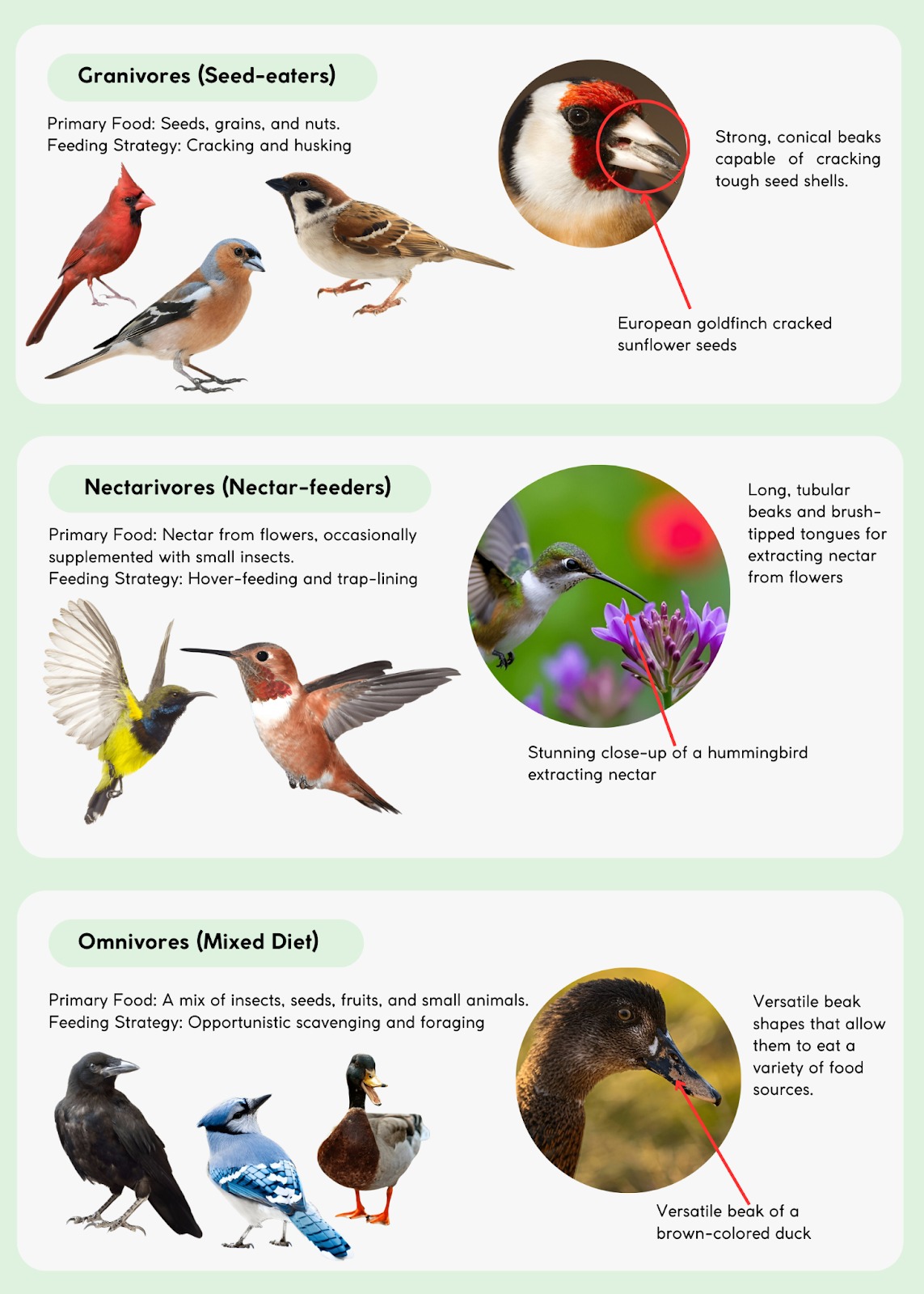
Credit: animal-pedia.org
Urban And Man-made Areas
Birds adapt well to urban and man-made areas, finding food and shelter in parks, buildings, and gardens. These habitats offer safety and nesting spots despite the busy environment. Some species thrive near humans, making cities their new home.
Urban and man-made areas are surprisingly rich habitats for many bird species. These environments offer a unique blend of resources and challenges, making them ideal for adaptable birds. Have you ever noticed the vibrant bird life amidst the hustle and bustle of a city? Birds have found ingenious ways to thrive in these spaces, often delighting us with their unexpected presence.City Parks And Gardens
City parks and gardens serve as essential green oases for birds. These areas provide shelter, food, and nesting sites amidst the urban sprawl. Next time you’re in a city park, look around. You might spot sparrows, robins, or even woodpeckers, all making the most of the available trees and shrubs. Well-maintained gardens also play a vital role. They offer diverse plant life that attracts insects, a key food source for many birds. Consider adding bird-friendly plants to your own garden to invite these feathered guests.Farmlands
Farmlands offer a different kind of urban habitat for birds. These areas often feature open fields and hedgerows, providing ample foraging opportunities. Have you ever driven past a farm and seen flocks of starlings sweeping across the sky? They’re likely taking advantage of the abundant food resources. Farmers can play a crucial role in supporting bird populations. By maintaining hedgerows and leaving patches of wild vegetation, they create a welcoming environment for birds.Suburban Neighborhoods
Suburban neighborhoods are teeming with bird life, thanks to the mix of gardens, trees, and small green spaces. Birds such as blue jays, cardinals, and chickadees are common sights, making daily life a little more magical. Residents can enhance these habitats by installing bird feeders or birdbaths. These simple additions can transform your backyard into a bird sanctuary, offering nourishment and hydration. Urban and man-made areas may seem unlikely habitats, yet they play a critical role in supporting diverse bird populations. What steps can you take to make your surroundings more bird-friendly? By understanding and nurturing these habitats, you contribute to a thriving urban ecosystem.
Credit: animal-pedia.org
Frequently Asked Questions
What Types Of Habitats Do Birds Commonly Live In?
Birds live in diverse habitats like forests, wetlands, grasslands, deserts, and urban areas. Each habitat offers unique food and shelter suitable for different bird species.
How Do Birds Adapt To Different Habitats?
Birds adapt through physical traits, behaviors, and nesting habits. These adaptations help them find food, avoid predators, and survive in varied environments.
Why Are Wetlands Important Bird Habitats?
Wetlands provide abundant food, water, and nesting sites. Many migratory and waterbird species rely on wetlands for breeding and resting during migration.
Can Birds Thrive In Urban Habitats?
Yes, many birds adapt well to cities. Urban areas offer food sources, nesting spots, and fewer predators, attracting species like pigeons and sparrows.
Conclusion
Birds live in many types of habitats, from forests to cities. Each bird chooses a place that fits its needs for food, shelter, and safety. Habitats can be wet or dry, warm or cold, high or low. Protecting these habitats helps keep birds healthy and alive.
Everyone can help by caring for nature and avoiding pollution. Birds add beauty and life to the world around us. Understanding where birds live helps us appreciate their role in nature. A simple action today can support birds for the future.