

Have you ever wondered about the mysterious world of the dodo bird? This peculiar creature, with its unique appearance and tragic extinction, has fascinated people for centuries.
But what kind of habitat did the dodo bird live in? Understanding this can reveal much about its life and the factors that led to its disappearance. You’re about to uncover secrets of lush landscapes and unique ecosystems that once housed these fascinating birds.
Imagine stepping back in time to a place where nature shaped the destiny of the dodo. Let’s dive into this intriguing habitat and discover what made it both a paradise and a peril for the dodo bird. Stay with us, as each detail unfolds a new layer of this captivating story.
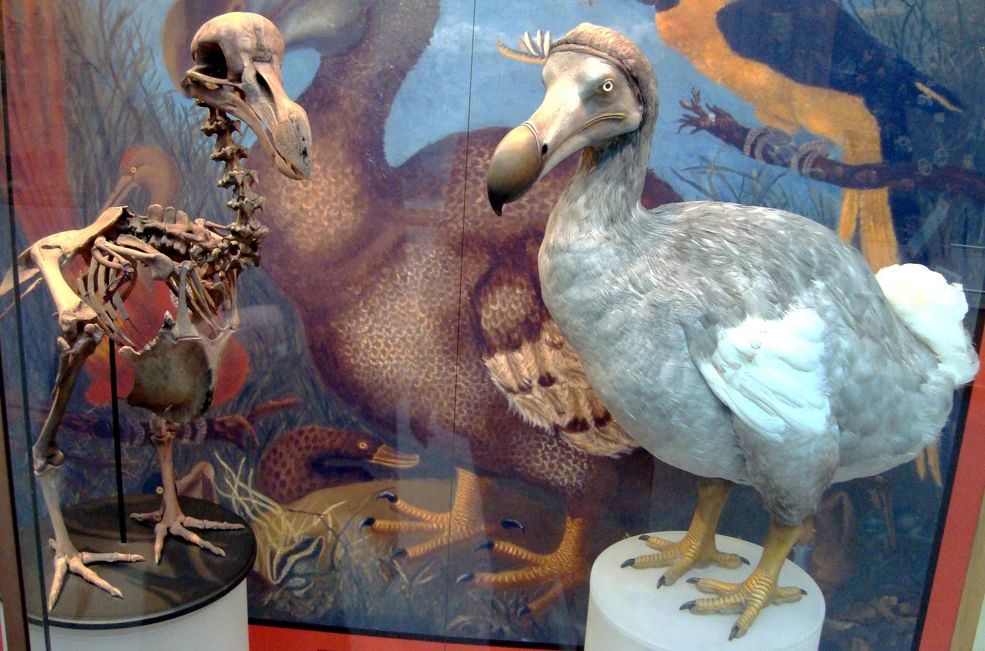
Credit: turtledove.fandom.com
Dodo Bird Habitat Location
The dodo bird’s habitat location is a fascinating topic that takes us back to a remote island in the Indian Ocean. Understanding where the dodo lived helps you picture the environment that shaped this unique creature’s life. It also reveals why the dodo struggled to survive once humans arrived.
Dodo Bird’s Home: Mauritius Island
The dodo bird lived exclusively on Mauritius, a volcanic island far from mainland continents. This isolation meant the dodo had no natural predators for centuries. Imagine living in a place where danger was almost nonexistent — that’s what the dodo experienced.
Mauritius offered a warm, tropical climate with dense forests. These forests were full of fruit-bearing trees, which made a perfect food source for the dodo. Have you ever thought about how being restricted to one island impacts a species’ survival?
Forest Environment And Food Sources
The dodo’s habitat was mainly dense woodlands with thick undergrowth. The forest floor was covered with fallen fruits, seeds, and roots — perfect for the dodo’s diet. It’s interesting to think how the dodo adapted to living in this environment without needing to fly.
Besides fruits, the dodo likely ate small land animals and possibly even shellfish near the coast. This diverse diet shows the bird’s ability to use the resources available in its habitat. Have you ever noticed how some animals thrive by being flexible in what they eat?
Impact Of Habitat On Dodo’s Extinction
The isolated habitat that once protected the dodo also made it vulnerable. When humans and invasive species arrived on Mauritius, the dodo’s lack of fear and limited flight ability became a fatal weakness. This shows how a habitat that seems perfect can quickly become a trap.
Thinking about your own environment, do you see ways in which changes could affect your daily life? The dodo’s story reminds us how delicate the balance between species and their habitats really is.

Credit: www.youtube.com
Island Environment Features
The island environment where the dodo bird lived was unique and shaped its way of life in many ways. This habitat had specific features that made it different from mainland ecosystems. Understanding these features helps you see how the dodo adapted and why it eventually faced extinction.
Geography And Climate
The dodo lived on Mauritius, a volcanic island in the Indian Ocean. The island’s geography included dense forests, coastal plains, and mountains. The climate was tropical, with warm temperatures and seasonal rains that created lush vegetation year-round.
Think about how such a stable climate might affect an animal’s behavior and food sources. The dodo didn’t need to migrate or adapt to harsh winters, which influenced its lifestyle significantly.
Flora And Food Availability
Mauritius was covered with thick forests full of fruit trees, shrubs, and other plants. The dodo’s diet mainly consisted of fallen fruits, seeds, and roots found on the forest floor. This steady food supply allowed the bird to thrive without needing to fly or hunt.
Imagine how limited food variety could shape an animal’s physical traits. The dodo evolved to be large and flightless because it didn’t have to escape predators or compete for food in the air.
Absence Of Predators
One of the island’s most important features was the lack of natural predators. The dodo had no fear of humans or animals like cats and rats until they were introduced. This safety allowed the dodo to become a slow-moving bird, less alert and more vulnerable.
Have you ever noticed how animals behave differently when they feel safe? The dodo’s environment created a false sense of security, which became a critical problem once new threats appeared.
Flora And Fauna Around Dodos
The environment where dodos lived was unlike any place you might visit today. The flora and fauna surrounding these birds shaped their lives in many ways. Understanding this ecosystem helps you picture the dodo’s daily world, from food sources to threats.
Flora: The Tropical Forests Of Mauritius
The dodo lived on Mauritius, an island rich in dense tropical forests. These forests were filled with tall ebony trees, palms, and pandanus plants. Such vegetation provided shelter and food, like fruits and seeds, essential to the dodo’s diet.
Imagine walking through thick greenery where sunlight barely touched the ground. This low-light environment influenced what plants thrived, creating a unique habitat for the dodo and other creatures.
Fauna: Other Creatures Sharing The Island
Dodos were not alone on Mauritius; many animals shared their habitat. Giant tortoises roamed the forest floor, while various birds and reptiles occupied different layers of the ecosystem. These species often competed for food but also helped maintain balance.
Think about how you interact with neighbors. In nature, species depend on each other in complex ways—sometimes cooperating, sometimes competing.
Impact Of Human Arrival On Flora And Fauna
When humans arrived, they changed the island’s delicate balance. They introduced invasive animals like rats and pigs, which destroyed native plants and preyed on dodo eggs. The forests began to shrink, and the dodo’s food sources became scarce.
Have you ever noticed how one change in your environment can ripple out and affect everything else? The dodo’s story is a powerful example of this fragile connection.
Impact Of Habitat On Dodo Lifestyle
The dodo bird’s habitat shaped its entire way of living. This extinct bird lived only on Mauritius Island. The island’s unique environment influenced dodo behavior and diet. Understanding the habitat helps us grasp why the dodo acted the way it did.
The Forest Environment Of Mauritius
Mauritius had dense forests full of tall trees and thick plants. The dodo lived mainly in these forests. The trees gave shelter from weather and predators. The thick plants offered many hiding spots. This environment provided a calm and safe home for the dodo.
Food Sources In The Habitat
The dodo’s diet came from the forest floor. It ate fallen fruits, seeds, and roots. The forest had many fruit trees, which were easy food. The dodo did not need to fly to find food. This limited diet shaped its simple lifestyle.
Climate Influence On Dodo Behavior
Mauritius had a tropical climate with warm temperatures. This weather meant the dodo did not need to migrate. The stable climate allowed it to stay in one place year-round. The dodo’s body adapted to this warm, moist environment.
Limited Predators And Its Effects
The island had few natural predators. The dodo did not develop strong defenses or flight. It became large and slow because it had little fear of danger. This lack of threat shaped its relaxed and slow lifestyle.
Human Impact On The Habitat
Humans arrived and changed the dodo’s habitat quickly. They cut down forests and brought new animals. These changes destroyed the dodo’s food and shelter. The bird could not survive these rapid habitat losses.
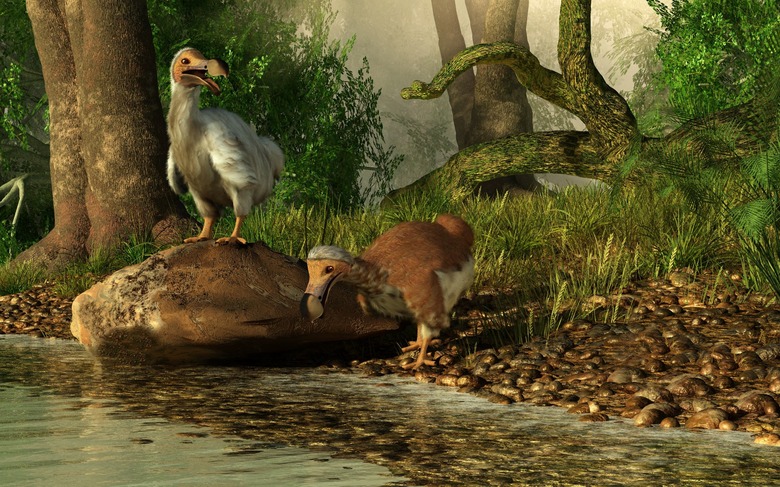
Credit: www.bgr.com
Frequently Asked Questions
What Kind Of Environment Did Dodo Birds Inhabit?
Dodo birds lived in dense forests on Mauritius Island. They preferred humid, tropical habitats with plenty of food and shelter.
Did Dodo Birds Live Near Water Sources?
Yes, dodos lived near freshwater streams and lakes. These water sources were essential for drinking and supporting vegetation.
How Did Mauritius’ Habitat Affect Dodo Behavior?
The island’s isolated, predator-free environment made dodos flightless. They adapted to ground living and foraging in forest undergrowth.
Were Dodo Birds’ Habitats Affected By Humans?
Human arrival drastically changed dodo habitats. Deforestation and introduced animals destroyed their environment, leading to their extinction.
Conclusion
The dodo bird lived in dense forests on Mauritius Island. It enjoyed warm, tropical weather and plenty of food. The habitat had many trees and plants for shelter and nesting. Sadly, human arrival changed this habitat fast. Understanding the dodo’s home helps us learn about nature’s balance.
It reminds us how important it is to protect wildlife and their homes today. The dodo’s story teaches a simple but strong lesson about survival and care.