

Have you ever marveled at the vibrant colors and exotic allure of the Bird of Paradise? This stunning creature isn’t just a feast for the eyes; it’s a fascinating subject for nature enthusiasts like you.
But where does such an extraordinary bird call home? Understanding the habitat of the Bird of Paradise can deepen your appreciation and connection to this avian wonder. Imagine stepping into a world where lush jungles and unique ecosystems nurture these birds, offering a glimpse into their secret lives.
Intrigued? You’re about to discover the captivating environments that these birds thrive in, and how these habitats play a crucial role in their stunning appearance and intriguing behaviors. Keep reading to unlock the mysteries of the Bird of Paradise’s natural world.
Bird Of Paradise Locations
Birds of Paradise are some of the most stunning and unique creatures you can find on Earth. Their habitats play a huge role in their survival and vibrant displays. Understanding where these birds live helps you appreciate their beauty and the importance of protecting those locations.
New Guinea: The Heart Of Bird Of Paradise Territory
New Guinea is home to the majority of Bird of Paradise species. This island’s dense rainforests provide the perfect environment for these birds to thrive. If you visit, you’ll notice how the thick canopy offers shelter and abundant food sources.
One time, I hiked through a New Guinea forest and was amazed at how the birds seemed to blend into the lush surroundings. It made me realize how crucial this habitat is for their survival. Have you ever wondered how these birds choose their specific spots in such vast forests?
Nearby Islands And Their Unique Species
Aside from New Guinea, nearby islands like the Aru Islands and parts of eastern Australia also host certain Bird of Paradise species. Each island has slightly different environments, which influence how the birds look and behave.
For example, some species on these islands have adapted to more open woodlands compared to the dense rainforests of New Guinea. This shows you how adaptable these birds can be, but also highlights the importance of preserving different types of habitats.
Why Habitat Preservation Matters
Birds of Paradise depend on very specific habitats to perform their intricate mating dances and to find food. When their habitats shrink due to deforestation or human activity, their chances of survival drop quickly.
Imagine if their forest homes disappeared overnight—where would these birds go? Protecting their locations isn’t just about saving the birds; it’s about keeping entire ecosystems healthy and balanced.
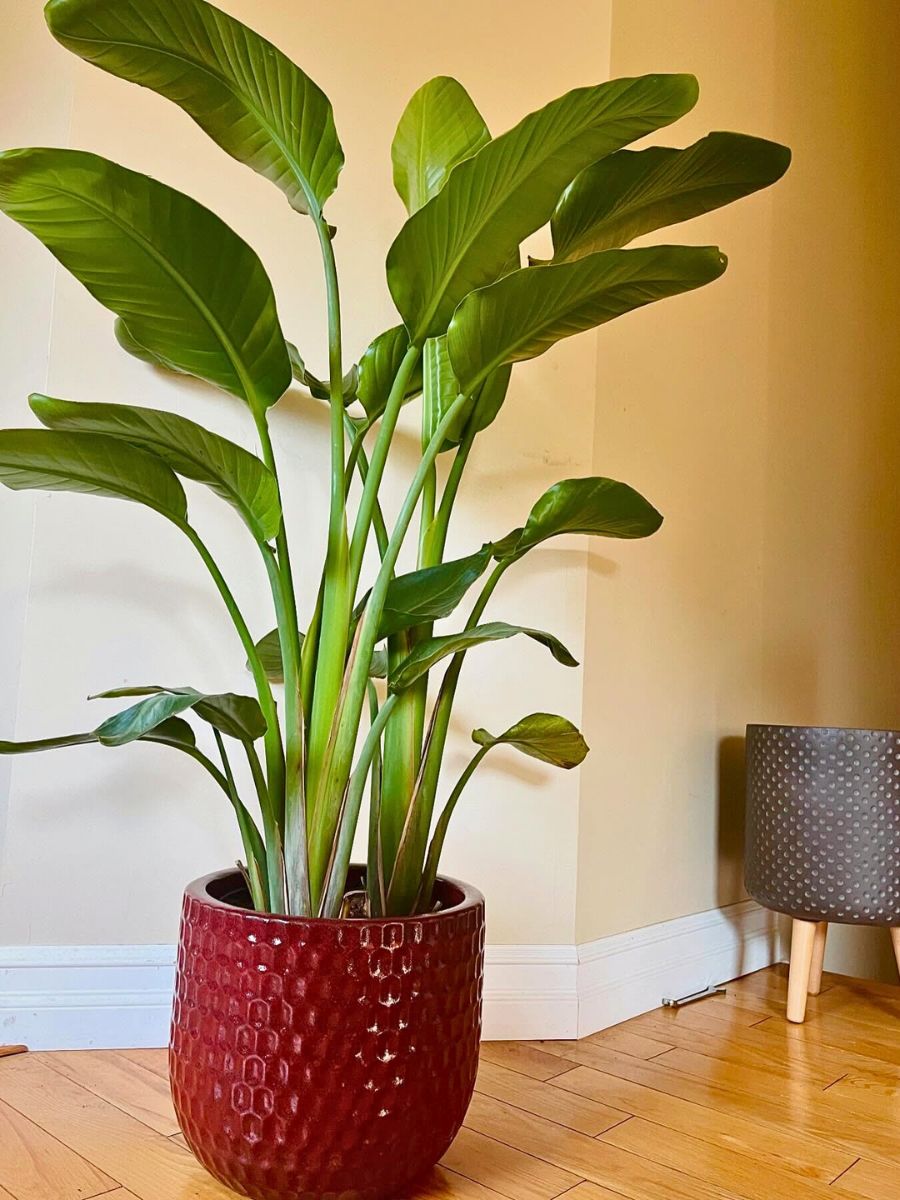
Credit: thursd.com
Rainforest Habitats
The Bird of Paradise thrives in the lush, dense environments of rainforests. These habitats provide the perfect mix of shelter, food, and breeding grounds that these vibrant birds need to survive and flourish. Understanding the specifics of rainforest habitats helps you appreciate why these birds are so closely tied to these ecosystems.
Geographical Range Of Rainforest Habitats
Birds of Paradise are mainly found in the rainforests of New Guinea and surrounding islands. These areas offer a unique climate with warm temperatures and high humidity year-round. This environment supports a wide variety of plant life, which in turn sustains the birds’ diet and nesting needs.
Vegetation And Shelter
Rainforests are packed with tall trees, thick undergrowth, and a complex canopy structure. This dense vegetation gives Birds of Paradise places to hide from predators and build their elaborate nests. The variety of plants also attracts many insects and fruits, which make up the bird’s primary food sources.
Food Sources In Rainforests
These birds rely heavily on the rainforest’s rich supply of fruits, insects, and small animals. Fruit-bearing trees and flowering plants offer a steady food supply. Without this abundance, the birds would struggle to maintain their energy, especially during mating displays.
Why Rainforest Preservation Matters
Have you ever wondered what would happen if these forests disappeared? The loss of rainforest habitat directly threatens the survival of Birds of Paradise. Protecting these areas ensures that you and future generations can still witness the dazzling displays and hear their unique calls.
Mountain And Highland Areas
Mountain and highland areas offer a unique habitat for the Bird of Paradise. These regions have cooler temperatures and dense forests. The elevation provides a diverse environment with many plants and insects. This creates an ideal place for these birds to live and find food.
The birds thrive in the thick forest canopies and tall trees. They use the trees for nesting and display their vibrant feathers to attract mates. The isolation of mountain areas helps protect them from some predators and human activities.
Elevation And Climate
Birds of Paradise often live between 1,200 and 2,000 meters above sea level. The cooler climate at these heights suits their needs. Mist and frequent rain keep the forest moist. This moist environment supports rich vegetation, which is important for the birds’ diet.
Forest Types In Highlands
These birds prefer dense, tropical montane forests. Such forests have many layers of trees and plants. The thick cover offers safety and many feeding spots. The forests contain fruit trees and flowering plants that attract insects and other prey.
Adaptations To Highland Life
Birds of Paradise have strong legs for hopping between branches. Their bright feathers stand out in the dim light of the forest. These colors help in courtship displays. Their calls are loud and varied to communicate over long distances.
Threats In Mountain Habitats
- Deforestation for farming and logging
- Climate change affecting temperature and rainfall
- Human encroachment reducing forest size
Despite these threats, many mountain areas remain protected. Conservation efforts focus on preserving these unique habitats.
Adaptations To Exotic Environments
Birds of paradise thrive in some of the world’s most exotic habitats. These environments are often dense rainforests with high humidity and diverse plant life. Over time, these birds have developed special traits to survive and flourish in such places.
Their bright feathers help them blend into colorful flowers and leaves. Their strong legs allow them to perch on thin branches. These adaptations make them well suited to their unique homes.
Camouflage And Coloration
Birds of paradise use bright colors to attract mates and hide from predators. Their feathers reflect light in ways that mimic the surrounding flowers and foliage. This helps them stay safe and unseen despite their vivid looks.
Specialized Feet And Claws
Strong claws help these birds grip slippery branches and twigs. Their feet are adapted to move quickly through dense vegetation. This skill is crucial for finding food and escaping danger.
Unique Courtship Displays
Male birds of paradise perform elaborate dances to attract females. These displays are adapted to the open spaces and light conditions of the forest floor or canopy. The movements highlight their colorful feathers and agility.
Diet And Feeding Habits
These birds eat fruits, insects, and small animals. Their beaks are shaped to reach into flowers and crevices. This diet suits the rich resources found in tropical rainforests.
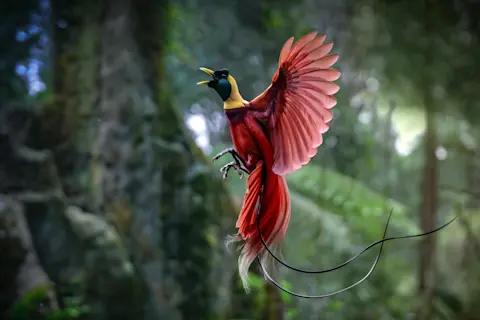
Credit: www.discovermagazine.com
Frequently Asked Questions
Where Do Birds Of Paradise Primarily Live?
Birds of Paradise mainly inhabit the rainforests of New Guinea and nearby islands. They thrive in dense, tropical forests with abundant vegetation. These areas provide ample food and nesting sites essential for their survival and elaborate mating displays.
What Type Of Habitat Suits Birds Of Paradise Best?
Birds of Paradise prefer tropical and subtropical rainforests. They favor dense tree canopies with rich biodiversity. Such environments offer shelter, food sources like fruits and insects, and safe breeding grounds critical to their lifecycle.
Are Birds Of Paradise Found Outside New Guinea?
Birds of Paradise are mostly native to New Guinea and some Indonesian islands. A few species extend to eastern Australia. However, their presence outside these regions is rare and usually limited to isolated populations.
How Does Habitat Affect Birds Of Paradise Behavior?
The dense forest habitat influences their complex mating dances and calls. It provides cover for displays that attract mates. Habitat quality directly impacts their ability to find food, reproduce, and avoid predators.
Conclusion
Birds of paradise live mostly in tropical rainforests. They prefer dense trees and warm climates. These habitats provide food and safe places to nest. Protecting these areas helps keep the birds safe. Their colorful feathers and dances depend on a healthy home.
Preserving their habitat is key to their survival. We can all help by caring for nature. The bird of paradise reminds us how special wild places are.