

Have you ever wondered where the kiwi bird calls home? Understanding the habitat of this unique and fascinating bird can reveal surprising facts about its life and survival.
If you care about wildlife or just want to learn something new, discovering where kiwis live will capture your attention. Keep reading to find out exactly what kind of environment supports the kiwi bird and why it matters to you.

Credit: www.peckperk.com
Kiwi Bird Habitat Types
The kiwi bird lives in several types of habitats across New Zealand. Each habitat offers unique features that support their lifestyle and survival. Understanding these habitats helps us protect this rare bird. Kiwi birds need places with dense cover and plenty of food sources. Their habitats range from thick forests to open grasslands and wetlands. These areas provide shelter and insects for food.
Forests And Woodlands
Dense forests and woodlands are the primary homes for kiwi birds. They prefer areas with thick undergrowth and fallen leaves. These places hide kiwi from predators and give them a quiet space to nest. The forest floor is rich in insects and worms, the main food of kiwi. Trees also provide shade, keeping the habitat cool and moist.
Grasslands And Scrublands
Kiwi birds also live in grasslands and scrublands. These areas have shorter plants and bushes. They use the low vegetation for hiding and finding food. Grasslands offer many insects and small animals for kiwi to eat. The open space helps kiwi move around safely during the night.
Wetlands And Riverbanks
Wetlands and riverbanks serve as important habitats for kiwi birds. These areas have moist soil and abundant insects. Kiwi like to dig in soft mud near water to find food. Wetlands also provide safe nesting spots away from many predators. The mix of water and plants creates a rich environment for kiwi survival.

Credit: wildbloo.com
Geographic Range Of Kiwi Birds
The geographic range of kiwi birds is a fascinating aspect of their natural history that reveals where these unique creatures thrive. Understanding their habitat locations helps you appreciate the diversity of environments they adapt to. Kiwi birds are native exclusively to New Zealand, but their presence varies across different islands and regions.
North Island Locations
The North Island hosts several kiwi populations, especially in forested and mountainous areas. You can find kiwi birds in places like the Waitakere Ranges near Auckland and the Coromandel Peninsula. These areas provide dense vegetation and plenty of cover, which are essential for kiwi survival.
Have you ever wondered how kiwi birds manage to stay hidden in such populated regions? Their nocturnal habits and excellent camouflage play a huge role. Protecting these habitats is crucial to keeping kiwi populations healthy in the North Island.
South Island Regions
The South Island is home to different kiwi species, such as the great spotted kiwi. Their range includes Fiordland, the West Coast, and the Southern Alps. These regions offer rugged terrain and thick forests, perfect for kiwi to forage and nest safely.
Visiting these areas gives you a chance to witness kiwi conservation efforts firsthand. Many reserves and sanctuaries work hard to maintain predator-free zones here. Could your next hike turn into a kiwi spotting adventure with a bit of luck?
Offshore Islands
Several offshore islands around New Zealand serve as important safe havens for kiwi birds. Islands like Kapiti, Little Barrier, and Stewart Island have fewer predators, making them ideal for kiwi breeding. Conservationists often relocate kiwi here to boost their numbers.
These islands offer a glimpse into what New Zealand’s ecosystems looked like before introduced predators arrived. If you visit, you’ll notice how kiwi thrive in these protected environments. What if more islands were dedicated to kiwi conservation to help their population recover faster?
Habitat Features Kiwi Birds Need
Kiwi birds thrive in environments that support their unique lifestyle and survival needs. Understanding the specific habitat features they require can help you appreciate why these birds are so closely linked to New Zealand’s native forests. Each aspect of their habitat plays a vital role in keeping kiwis safe, fed, and able to reproduce.
Dense Vegetation Cover
Kiwi birds need thick, dense vegetation to hide from predators and harsh weather. This cover provides shelter and a safe place to rest during the day since kiwis are nocturnal. If you’ve ever walked through a New Zealand forest, you might notice how the underbrush feels almost impenetrable—this is exactly the kind of environment kiwis prefer.
Without this dense foliage, kiwis become vulnerable to threats. So, when thinking about kiwi conservation, protecting these dense forest areas is essential.
Soil For Burrowing
Soft, loose soil is crucial for kiwi birds because they dig burrows for nesting and shelter. Hard or rocky soil makes this nearly impossible. The burrows provide a safe spot for eggs and young chicks, away from predators and weather extremes.
Have you ever tried digging in sandy soil versus clay? The ease of digging in soft earth highlights why kiwis settle where the ground suits their needs. Protecting these soil types means protecting kiwi homes.
Food Availability
Kiwi birds rely on a steady supply of invertebrates like worms, beetles, and larvae found in leaf litter and soil. Their long beaks help them probe deep into the ground to find food. Without abundant food sources nearby, kiwis would have to travel more, increasing their risk.
When you walk through a forest, look for rich leaf litter and healthy soil—that’s where kiwis find their meals. Ensuring these food supplies are healthy is key to supporting kiwi populations in the wild.
Threats To Kiwi Habitats
Kiwi birds live in dense forests and grassy areas with plenty of cover. Their habitats face threats from deforestation and invasive animals that destroy nests. Protecting these places is vital for kiwi survival.
The Kiwi bird, a unique and intriguing creature native to New Zealand, faces numerous threats to its habitats. These threats have put considerable pressure on their survival, making habitat protection a critical issue. Understanding these challenges is essential for anyone interested in preserving these iconic birds.Deforestation And Land Use
Deforestation is a significant threat to kiwi habitats. As forests are cleared for agriculture and urban development, the natural environment of the kiwi rapidly diminishes. You might be surprised to learn that even small-scale land changes can have devastating effects on kiwi populations. Human activities have led to the fragmentation of kiwi habitats. This means that kiwis are often isolated in smaller, separated areas, making it difficult for them to find food and mates. Have you ever wondered how your daily choices could impact these birds?Predators And Invasive Species
Predators pose a severe threat to kiwi birds. Dogs, cats, and ferrets are among the invasive species that have become a menace to kiwi populations. These predators often target kiwi chicks, leading to a decline in their numbers. Invasive species not only compete for food but also disrupt the natural ecosystem balance. This makes it harder for kiwis to thrive in their native habitats. Could community awareness and responsible pet ownership make a difference here?Conservation Efforts
Efforts to conserve kiwi habitats are essential and ongoing. Various organizations in New Zealand are working tirelessly to protect these birds through habitat restoration and predator control programs. Have you considered supporting such initiatives? These conservation efforts include creating predator-free zones and engaging local communities in kiwi protection activities. By participating in these programs, you can play an active role in ensuring the survival of the kiwi for future generations. Understanding the threats to kiwi habitats is just the beginning. How will you contribute to safeguarding this unique species?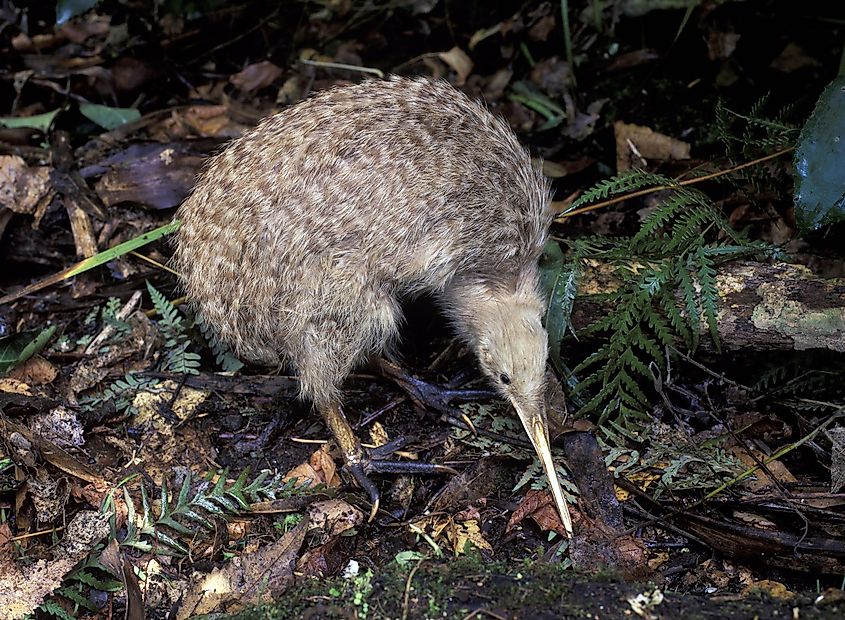
Credit: www.worldatlas.com
Frequently Asked Questions
What Kind Of Environment Do Kiwi Birds Live In?
Kiwi birds thrive in dense forests, scrublands, and grasslands. They prefer moist, temperate regions with plenty of ground cover for hiding and nesting. These environments provide ample food sources like insects, worms, and berries, essential for their survival.
Where Are Kiwi Birds Naturally Found?
Kiwi birds are native to New Zealand. They inhabit both the North and South Islands, mainly in forested and rural areas. Conservation efforts focus on protecting these habitats to support kiwi populations and prevent extinction.
How Do Kiwi Birds Adapt To Their Habitat?
Kiwi birds have strong legs for digging burrows and finding food. Their feathers resemble fur, helping with camouflage. They are nocturnal, which reduces predators’ threats and allows them to forage safely at night.
Why Is Kiwi Habitat Important For Conservation?
Kiwi habitats are crucial for breeding and feeding. Loss of habitat due to human activity threatens their survival. Protecting these areas helps maintain biodiversity and supports kiwi population recovery efforts.
Conclusion
Kiwi birds live in dense forests and scrublands in New Zealand. They need places with lots of plants and fallen leaves. These areas help them find food and hide from danger. Protecting kiwi habitats keeps these birds safe. Every effort counts to save their homes.
Understanding where kiwis live helps us care for them better. Their habitat is special and must be preserved. This ensures kiwis can live and grow naturally. Nature depends on us to keep it healthy. Let’s support actions that protect kiwi birds and their homes.