

Ever find yourself mesmerized by the delicate flutter of a hummingbird? These tiny creatures zip around with such speed and grace, it’s hard not to be captivated.
But have you ever wondered where these vibrant birds call home? Understanding the habitat of a hummingbird can add a whole new layer of appreciation to your bird-watching adventures. You’ll discover the fascinating environments where hummingbirds thrive, and how these habitats support their incredible lifestyles.
Stick around to uncover the secrets of their world—because once you do, every glimpse of a hummingbird will feel like a rare treasure.
Hummingbird Habitat Types
Hummingbirds thrive in various habitats that offer the right balance of food, shelter, and nesting spots. Understanding the types of environments they prefer helps you appreciate their adaptability and can guide you in creating a hummingbird-friendly space. Let’s look at some common habitats where these tiny birds make their homes.
Tropical Rainforests
Tropical rainforests provide a lush, vibrant setting perfect for many hummingbird species. These areas have a constant supply of nectar-rich flowers, which hummingbirds rely on for energy.
The dense canopy also offers plenty of protection from predators and harsh weather. If you’ve ever walked through a rainforest, you might have noticed the buzz of tiny wings near bright flowers—hummingbirds are always on the move here.
Mountain Meadows
Mountain meadows might seem like an unlikely spot for hummingbirds, but these open spaces bloom with wildflowers during warmer months. The high elevation means cooler temperatures, which can slow down insects and nectar availability, so hummingbirds must be quick and efficient feeders.
Do you know that some hummingbird species migrate to mountain meadows specifically to take advantage of the seasonal flowers? This shows their impressive ability to adapt to changing conditions.
Desert Regions
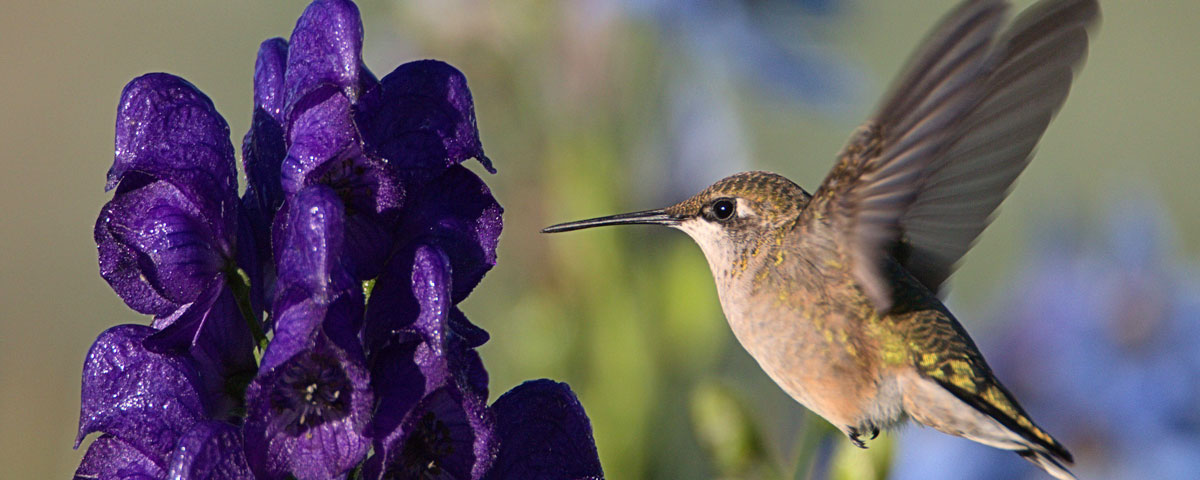
Deserts may appear harsh, but they support hummingbirds with specially adapted plants like cacti and desert shrubs that bloom brilliantly. These flowers often open early in the morning or late in the evening when temperatures are milder, matching the hummingbird’s feeding schedule.
Have you ever wondered how such a small bird survives in a dry environment? The answer lies in their ability to find water sources and nectar in the driest of places, proving their resilience and resourcefulness.
Credit: www.calgary.ca
Nest Locations And Structures
Hummingbirds are remarkable builders, crafting their nests with precision and care. Their choice of nest locations and the structures they create reflect their need for safety, camouflage, and proximity to food sources. Understanding where and how hummingbirds build their homes can deepen your appreciation for these tiny aviators and guide you if you want to attract them to your garden.
Tree Branch Nests
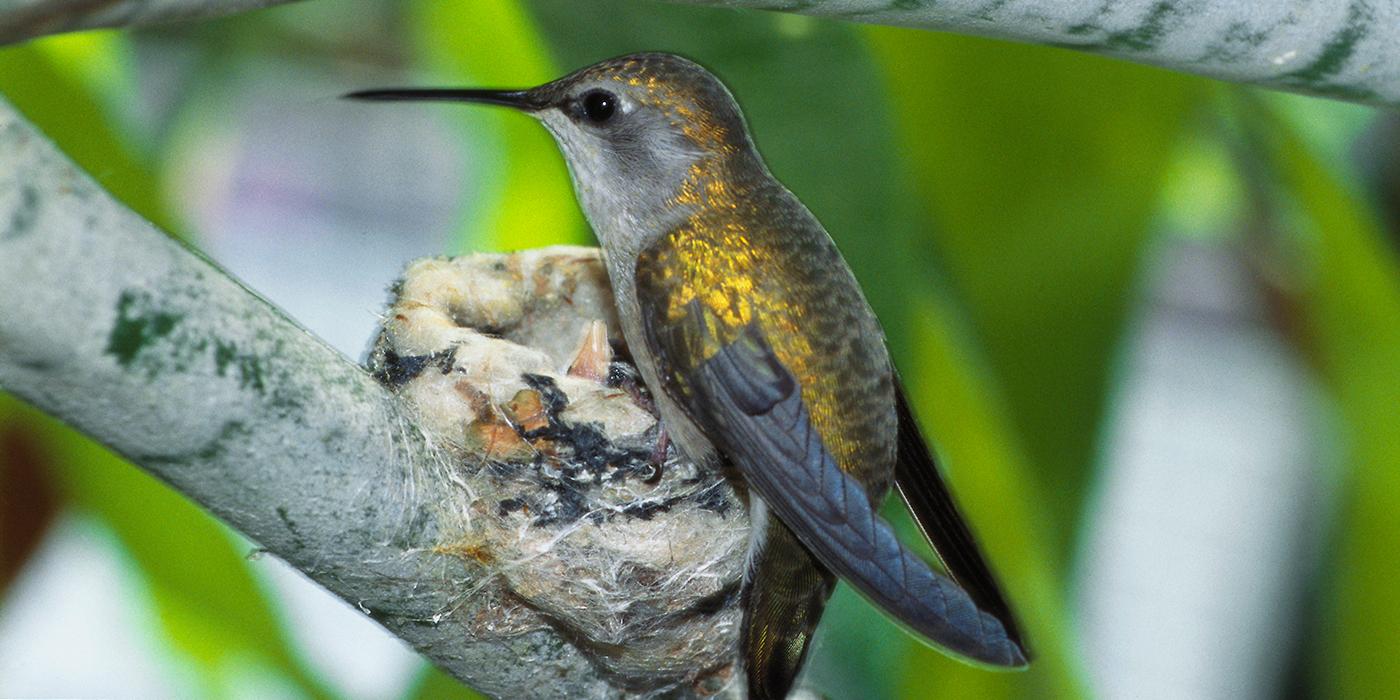
Hummingbirds often pick thin, flexible branches to build their nests. These spots offer good support and keep the nest away from ground predators. You might notice the nests cleverly attached to forks or small twigs, blending in with the surrounding leaves.
These nests are usually cup-shaped and lined with soft materials like plant down and spider silk. The silk helps the nest stretch as the baby birds grow. Have you ever looked closely at a tree branch and spotted a tiny, delicate nest? That’s a hummingbird’s handiwork.
Hidden Shrubs
Some hummingbirds prefer dense, leafy shrubs for extra cover. These spots shield nests from harsh weather and curious eyes. If you want to attract hummingbirds, planting thick shrubs near flowers can offer them a safe nesting spot.
Look for nests tucked deep within the foliage, almost invisible unless you know where to look. These hidden locations reduce the risk of predators finding the young hummingbirds. It’s a natural strategy that you can support by maintaining diverse, layered vegetation in your outdoor space.
Man-made Structures
Hummingbirds sometimes surprise us by nesting on man-made objects. You might find nests on porch railings, hanging flower baskets, or even light fixtures. These spots mimic natural branches but offer the added benefit of being close to human activity, which can deter some predators.
If you’ve ever found a tiny nest under your eaves or on a garden trellis, you’ve witnessed a hummingbird adapting to its environment. This behavior shows their flexibility and willingness to coexist with humans. Could your outdoor space be a future hummingbird home?
Climate And Environmental Needs
Hummingbirds thrive in environments that meet specific climate and environmental needs. These tiny birds depend on certain conditions to stay healthy and active. Understanding their climate preferences helps protect their habitats and supports their survival.
Temperature Preferences
Hummingbirds prefer mild to warm temperatures. They are most active between 50°F and 90°F. Too cold temperatures can slow their metabolism and reduce activity. Extreme heat also stresses these birds. They often seek shade or cooler spots during hot days. Stable temperatures support their daily energy needs.
Humidity Levels
Moderate humidity suits hummingbirds best. Very dry air can dehydrate them quickly. High humidity helps keep their feathers in good condition. It also supports the growth of plants that produce nectar. Too much moisture, like in heavy rain, can make flying difficult. Balanced humidity creates a comfortable living environment.
Availability Of Food Sources
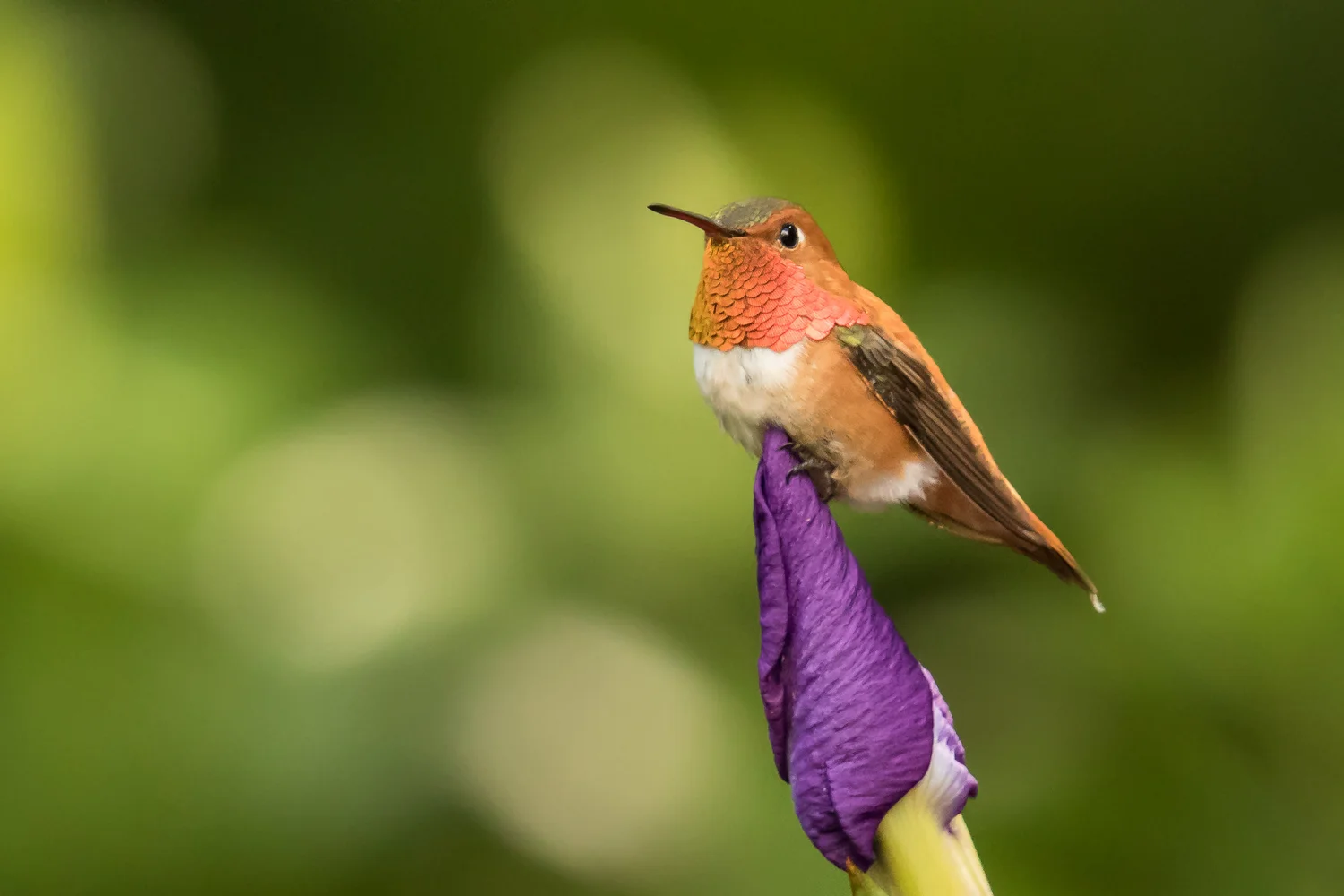
Hummingbirds rely on nectar-rich flowers for energy. Their habitats must have plenty of blooming plants year-round. Insects and spiders also provide essential protein. Areas with diverse plant life attract more hummingbirds. Food availability changes with seasons, affecting their movement and behavior.
Credit: www.eastsideaudubon.org
Human Impact On Habitats
Human activities have a significant impact on the natural habitats of hummingbirds. These tiny birds rely heavily on specific environments for food, shelter, and breeding. When humans alter these habitats, hummingbirds face challenges that can threaten their survival.
Habitat Loss
Urban development and deforestation reduce the areas where hummingbirds can live and find food. Gardens, forests, and meadows often get replaced by buildings and roads, leaving fewer flowering plants for hummingbirds to feed on. This loss forces many hummingbirds to travel farther or compete with others, which affects their health and reproduction.
Have you noticed fewer hummingbirds in your neighborhood? This could be a direct effect of habitat loss nearby.
Conservation Efforts
Many groups and individuals work hard to protect hummingbird habitats. Conservation areas are created to preserve native plants and safe nesting spots. Programs also focus on educating people about the importance of hummingbirds and how to support them.
Joining local conservation projects or spreading awareness can make a real difference for these birds. Your support helps create a safer environment where hummingbirds can thrive.
Creating Hummingbird-friendly Gardens
You can help hummingbirds by designing your garden with their needs in mind. Plant native, nectar-rich flowers like trumpet vine, bee balm, and salvia to provide food sources. Avoid using pesticides that harm these delicate birds and their insect prey.
- Add a shallow water source for drinking and bathing.
- Include perches or small trees where hummingbirds can rest.
- Plant flowers that bloom at different times to ensure a steady food supply.
Have you tried attracting hummingbirds to your garden? Simple changes can create a welcoming space for these fascinating creatures right outside your window.
Credit: nationalzoo.si.edu
Frequently Asked Questions
What Habitats Do Hummingbirds Prefer Most?
Hummingbirds prefer habitats with abundant flowers like gardens, forests, and meadows. They thrive in areas rich in nectar sources and safe nesting spots.
Where Do Hummingbirds Build Their Nests?
Hummingbirds build nests in sheltered spots like tree branches or shrubs. They use soft materials like spider silk to secure the nest tightly.
How Does Habitat Affect Hummingbird Migration?
Habitat quality impacts food availability, influencing hummingbird migration routes. They migrate to find suitable climates and abundant nectar during seasonal changes.
Can Hummingbirds Live In Urban Environments?
Yes, hummingbirds can adapt to urban areas with flowering plants and feeders. Gardens and parks offer ideal feeding and nesting opportunities for them.
Conclusion
Hummingbirds live in many places with flowers and trees. They like warm areas with plenty of food. Gardens, forests, and meadows are common homes for them. These tiny birds need water and safe spots to rest. Protecting their habitats helps hummingbirds stay healthy and happy.
Watching them close shows how special they are. Understanding their homes teaches us to care for nature better. Small actions can make a big difference for these birds. Keep their habitats clean and full of flowers. Everyone can help hummingbirds live well.