
Have you ever wondered why the beautiful birds you see less often these days? The answer lies in something that affects your environment more than you might realize: habitat loss.
When birds lose their homes, it’s not just about fewer feathers in the sky—it’s about a chain reaction that impacts your world too. You’ll discover the real reasons behind this urgent problem. Understanding what causes habitat loss for birds will open your eyes to what’s happening around you—and what you can do to help.
Keep reading, because the future of these incredible creatures depends on it.

Credit: www.wildlifenomads.com
Deforestation And Logging
Deforestation and logging remove large areas of trees and plants. This destruction directly affects many bird species. Trees offer shelter, food, and safe places to raise their young. When forests shrink, birds lose their homes and struggle to survive.
Impact On Bird Nesting Sites
Many birds build nests in trees. Cutting down these trees destroys their nesting sites. Birds cannot find safe places to lay eggs or protect their chicks. Some species rely on old, tall trees, which take decades to grow back. Without these trees, bird populations decline quickly.
Loss Of Food Sources
Forests provide fruits, seeds, and insects for birds. Logging reduces these food sources drastically. Birds must travel farther to find food or face starvation. Loss of diverse plants also means fewer insects live there. The food chain breaks down, harming many bird species at once.
Credit: www.dawn.com
Urban Expansion
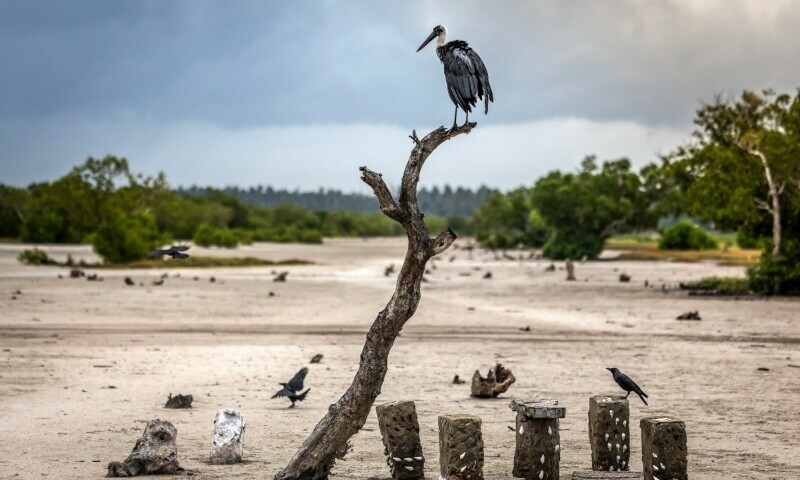
Urban expansion is a major cause of habitat loss for birds. Cities grow rapidly, covering forests and fields. Natural areas shrink as buildings, roads, and houses replace them. Birds lose their homes and food sources. Many species struggle to survive in these changed environments.
Habitat Fragmentation
Urban growth breaks large natural areas into smaller pieces. Birds face isolated patches of habitat surrounded by buildings and streets. These fragments are too small to support large bird populations. Birds have trouble finding mates and food. Movement between patches becomes risky. Predators and traffic increase threats. Fragmentation lowers bird diversity and numbers.
Pollution Effects
Cities produce pollution that harms birds and their habitats. Air pollution affects bird health and reduces insects they eat. Water pollution contaminates lakes and rivers, harming aquatic life birds rely on. Noise pollution disrupts bird communication and breeding. Light pollution confuses birds during migration. Pollution lowers survival chances and weakens ecosystems.
Agricultural Practices
Agricultural practices are a leading cause of habitat loss for birds. Farms replace natural landscapes with fields and pastures. This change reduces the places where birds can live and find food. Farming methods affect bird populations in different ways. Two major factors stand out: monoculture farming and pesticide use.
Monoculture Farming
Monoculture farming means growing only one crop over a large area. This practice removes diverse plants that birds rely on for food and shelter. Birds lose nesting sites and insects that live in varied plants. Large fields of a single crop create open spaces with little cover. Many bird species avoid these areas because they feel exposed and unsafe. Monoculture farming also limits the variety of seeds and fruits available to birds. As a result, bird numbers often drop in these farmlands.
Pesticide Use
Pesticides kill insects that many birds eat. Without insects, birds struggle to find enough food. Pesticides can also poison birds directly if they consume treated seeds or insects. These chemicals reduce bird reproduction and survival rates. Some pesticides linger in the environment, harming birds over time. Farmers use pesticides to protect crops, but this harms the natural balance. Lower insect populations mean less food for young birds, affecting future generations.

Credit: www.youtube.com
Climate Change Consequences
Climate change is reshaping our planet in countless ways. Birds are among the most affected creatures. As temperatures rise and weather patterns shift, their habitats face unprecedented threats. This transformation disrupts their lives and survival.
Altered Migration Patterns
Birds rely on stable climates for migration cues. Rising temperatures confuse these signals. Many birds now migrate too early or too late. This mistiming affects their breeding and feeding. Birds arrive at breeding grounds when food is scarce. Chicks face starvation due to this mismatch. Migration routes are also changing. Warmer climates push birds to new paths. These new routes may lack safe resting spots. Many birds struggle to complete their journeys.
Changing Ecosystems
Habitats shift as temperatures increase. Forests may turn into grasslands. Wetlands dry up or flood unpredictably. Birds must adapt or move to survive. Not all birds can find new homes. Specialized species suffer the most. Birds that rely on specific plants or insects may vanish. New predators and competitors also emerge. These changes upset the balance of ecosystems. Birds face increased competition for food and space. Some species may even face extinction.
Frequently Asked Questions
What Are The Main Causes Of Bird Habitat Loss?
Bird habitat loss is mainly caused by deforestation, urban expansion, agriculture, and pollution. These activities destroy nesting and feeding areas, forcing birds to relocate or face population decline.
How Does Deforestation Impact Bird Populations?
Deforestation removes trees and plants that birds rely on for shelter and food. This leads to fewer breeding sites and reduced food availability, causing bird numbers to drop significantly.
Can Urbanization Lead To Bird Habitat Destruction?
Yes, urbanization replaces natural landscapes with buildings and roads. This reduces green spaces, fragments habitats, and increases pollution, all harmful to bird survival and diversity.
Why Is Agriculture A Threat To Bird Habitats?
Agriculture often involves clearing natural vegetation and using pesticides. This destroys habitats, reduces insect populations, and contaminates food sources crucial for many bird species.
Conclusion
Bird habitats are shrinking fast due to human actions. Trees are cut down, and land is cleared for farming and buildings. Pollution and climate changes also harm bird homes. Birds lose places to live, feed, and raise their young. Protecting forests and natural areas is key to saving them.
Small changes by people can help birds survive. Each one of us can make a difference. Nature needs care to keep birds singing for years. Let’s act now to protect bird habitats everywhere.