
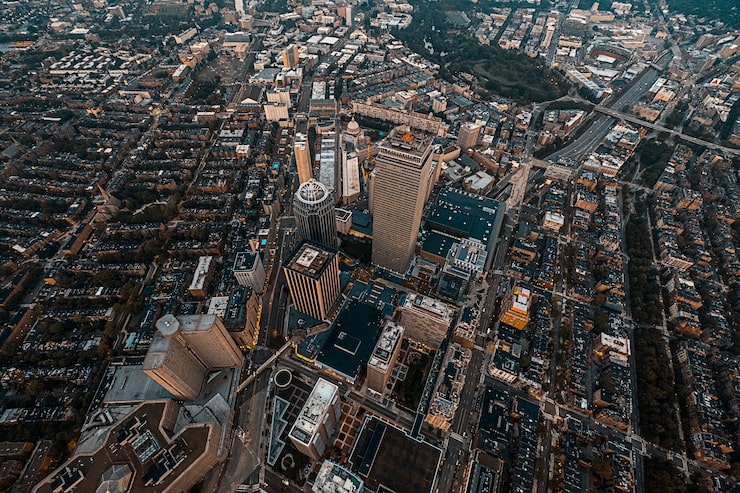
Have you ever wondered how photographers capture those stunning shots looking straight down from above? That’s called a Birds Eye View, and it can transform ordinary scenes into something extraordinary.
If you want to make your photos stand out and see the world from a completely new angle, understanding this technique is a game-changer. Keep reading, and you’ll discover exactly what Birds Eye View photography is, why it works so well, and how you can start using it to create eye-catching images that grab attention every time.

Credit: www.freepik.com
Birds Eye View Basics
Understanding the basics of a Birds Eye View in photography can change how you capture and see the world around you. This perspective offers a unique way to present scenes from directly above, giving your images a fresh and often surprising look. Grasping the origin and key characteristics of this style will help you apply it effectively in your own photography projects.
Origin And Concept
The Birds Eye View perspective comes from the idea of seeing a scene as if you were a bird flying high above it. This concept dates back to early maps and paintings where artists aimed to show landscapes from above to provide a complete overview.
In photography, this viewpoint creates a sense of scale and layout that is impossible to achieve from ground level. It challenges you to think about how objects relate to each other in space rather than just their appearance.
Key Characteristics
- Vertical Angle:The camera points straight down or nearly straight down at the subject.
- Wide Coverage:This view often captures large areas, showing patterns and shapes not visible from the side.
- Abstract Qualities:It can turn everyday scenes into abstract compositions by focusing on shapes, lines, and colors.
- Scale and Context:You can see how elements fit together, giving a clear sense of environment and size relationships.
Have you ever looked at a city from above and noticed patterns that you never saw on the streets? That’s the power of the Birds Eye View. It invites you to explore your surroundings differently and find beauty in the layout and design of the world.
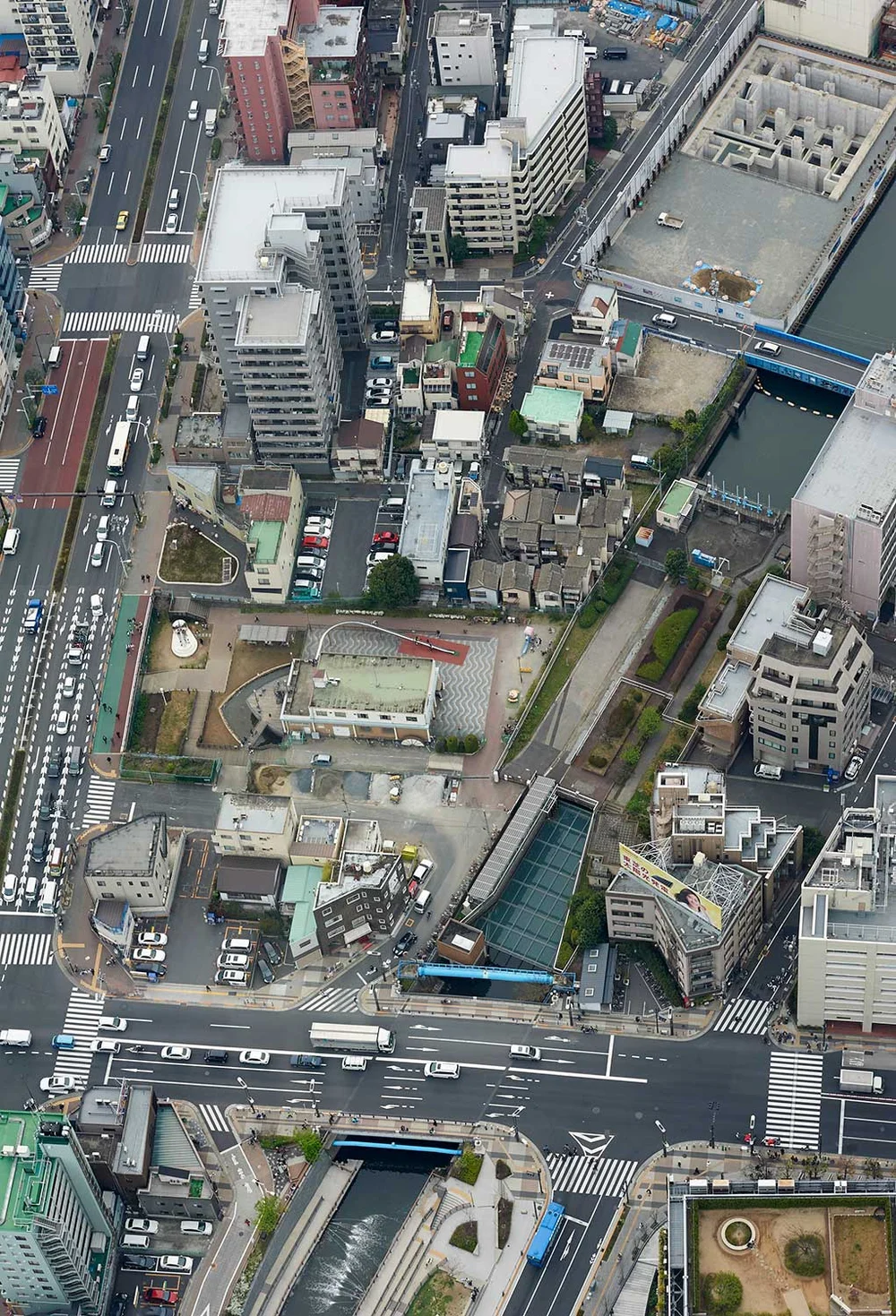
Credit: www.amandaeatwell.com
Techniques For Capturing Birds Eye Shots
Capturing birds eye shots involves unique techniques that show scenes from above. These shots offer fresh views and add depth to photography. Understanding different ways to achieve this perspective helps create striking images.
Proper tools and locations play key roles. Choosing the right method depends on the subject and environment. Here are two effective techniques to capture birds eye shots.
Using Drones And Aerial Equipment
Drones provide easy access to high angles. They allow photographers to hover over scenes and capture wide views. Modern drones have cameras with good resolution and stability features.
- Plan the flight path for smooth shots.
- Check local rules about drone use.
- Use drone settings to control focus and exposure.
- Fly at different heights for varied perspectives.
Aerial equipment like pole cameras or helicopters also offer birds eye views. These tools suit large or hard-to-reach areas. They help capture detailed shots from above.
Finding Natural High Points
Natural high points include hills, cliffs, and tall buildings. Climbing or reaching these spots gives excellent vantage points for birds eye photos. This method requires no special gear.
- Scout locations for safe and stable spots.
- Use zoom lenses to frame distant subjects well.
- Time your shoot for good lighting, such as early morning or late afternoon.
- Bring lightweight gear to move easily.
This technique works best for landscapes and cityscapes. It creates authentic images with natural height.
Creative Uses Of Birds Eye Perspective
The birds eye perspective opens fresh creative paths in photography. It offers a unique angle that many rarely explore. This view captures scenes from directly above, revealing patterns and details invisible from the ground. Photographers use it to bring new life to their shots and invite viewers to see the world differently.
Using this perspective can transform simple images into compelling visual stories. It helps highlight shapes, lines, and textures that form striking compositions. This perspective also guides the viewer’s eye through the photo in a deliberate way. The result is a powerful image that draws attention and sparks curiosity.
Enhancing Composition
The birds eye view simplifies complex scenes by flattening depth. This makes objects and shapes easier to arrange artistically. Photographers can emphasize geometry, symmetry, and repetition with this top-down angle.
- Highlighting patterns in nature or urban landscapes
- Creating balanced images with clear focal points
- Using negative space to improve visual flow
- Capturing abstract forms that look like art
Such control over composition brings harmony and balance to photos. It makes images more interesting and pleasing to the eye.
Storytelling Through Height
The birds eye view tells stories from a fresh angle. It shows relationships between subjects and their environment clearly. This perspective helps express ideas about scale, isolation, or connection.
- Showing busy city life from above to reveal human activity
- Isolating a single subject in a vast space for emotional impact
- Tracking movement or flow in a scene for dynamic storytelling
- Revealing hidden details that add context and meaning
By changing the viewpoint, photographers create new narratives. They invite viewers to explore and interpret scenes in unique ways.
Common Challenges And Solutions
Capturing a clear birds eye view can be tricky due to height and angle limits. Using drones or high platforms helps solve this problem effectively. Keeping the camera steady and planning the shot improves image quality and perspective.
Capturing a bird’s eye view in photography can offer a fresh perspective, revealing patterns and details that often go unnoticed from the ground. However, achieving this unique angle comes with its own set of challenges. Understanding these challenges and finding effective solutions can help you create stunning aerial photographs that captivate viewers.Dealing With Scale And Depth
One of the primary challenges in bird’s eye view photography is accurately representing scale and depth. When you’re shooting from above, objects can appear flattened, making it tough to convey their true size. To tackle this, include recognizable elements like people or vehicles in your frame. They provide a sense of scale that helps viewers understand the true size of the scene. Using leading lines, such as roads or rivers, can also guide the viewer’s eye through the image, adding depth and dimension.Managing Lighting And Shadows
Lighting can dramatically affect how your bird’s eye shots turn out. From above, shadows can create stark contrasts that either enhance or detract from your image. To manage this, shoot during the golden hours—early morning or late afternoon—when the light is softer. This reduces harsh shadows and adds a warm glow to your photos. If you can’t choose the time of day, experiment with exposure settings. Adjusting these can help you balance the highlights and shadows, ensuring that no detail is lost in the extremes. Do you ever find yourself struggling with lighting? Consider using a drone with adjustable camera settings, allowing you to adapt quickly to changing light conditions.
Credit: www.perthnow.com.au
Frequently Asked Questions
What Is Birds Eye View In Photography?
Birds eye view is a photography angle taken directly above the subject. It shows a top-down perspective, revealing unique patterns. This view offers a fresh, abstract look, often used in landscapes, architecture, and food photography to highlight shapes and symmetry.
How Does Birds Eye View Enhance Photos?
Birds eye view adds creativity by showcasing subjects from an uncommon angle. It emphasizes geometry and scale, making images visually engaging. This perspective reduces distractions and focuses on details, offering viewers a new way to appreciate the scene.
When Is Birds Eye View Most Effective?
Birds eye view works best with patterns, symmetry, or crowded scenes. It’s ideal for capturing landscapes, cityscapes, and flat lays. This angle simplifies complex scenes and highlights details that might be missed from ground level.
What Equipment Is Needed For Birds Eye Photography?
A drone, ladder, or elevated platform helps achieve birds eye shots. Smartphones and cameras with wide-angle lenses also work well. Stability tools like tripods improve image sharpness when shooting from heights.
Conclusion
Bird’s eye view in photography shows scenes from above. It helps capture details not seen from the ground. This angle creates fresh and interesting photos. It makes subjects look smaller and gives a new look. Using this view can improve your photo stories.
Try it with drones or tall places. Practice often to find the best spots and light. This technique adds variety and fun to your shots. Keep exploring to make your photos stand out.