

Have you ever wondered where birds feel most at home? Understanding what a bird habitat is can open your eyes to the amazing places these creatures live, feed, and raise their young.
Your curiosity about bird habitats can lead you to discover how different environments shape the lives of birds you see every day. By the end of this article, you’ll know exactly what makes a perfect home for birds—and why protecting these spaces matters to you and the world around you.
Keep reading to unlock the secrets of bird habitats and see nature from a whole new perspective.
Bird Habitat Types
Bird habitats vary greatly, offering different environments for various species. Each type supports unique birds and provides food, shelter, and nesting sites. Understanding these habitats helps protect birds and their ecosystems.
Forests And Woodlands
Forests and woodlands are rich habitats filled with trees and plants. Many birds find food, shelter, and nesting spots here. These areas support species like woodpeckers, owls, and warblers. Dense trees protect birds from predators and harsh weather.
Wetlands And Marshes
Wetlands and marshes hold shallow water and plenty of plants. They attract waterfowl, herons, and other birds that feed on fish and insects. These habitats are crucial for breeding and resting during migration. Wetlands filter water and keep the ecosystem healthy.
Grasslands And Meadows
Grasslands and meadows feature open spaces with grasses and wildflowers. Ground-nesting birds like larks and sparrows thrive here. These areas provide seeds, insects, and shelter from predators. The wide open land helps birds spot danger quickly.
Urban And Suburban Areas
Urban and suburban areas offer a mix of buildings, parks, and gardens. Some birds adapt well to city life, such as pigeons, sparrows, and crows. These areas provide food sources like scraps and bird feeders. Trees and shrubs in parks offer nesting sites and safety.
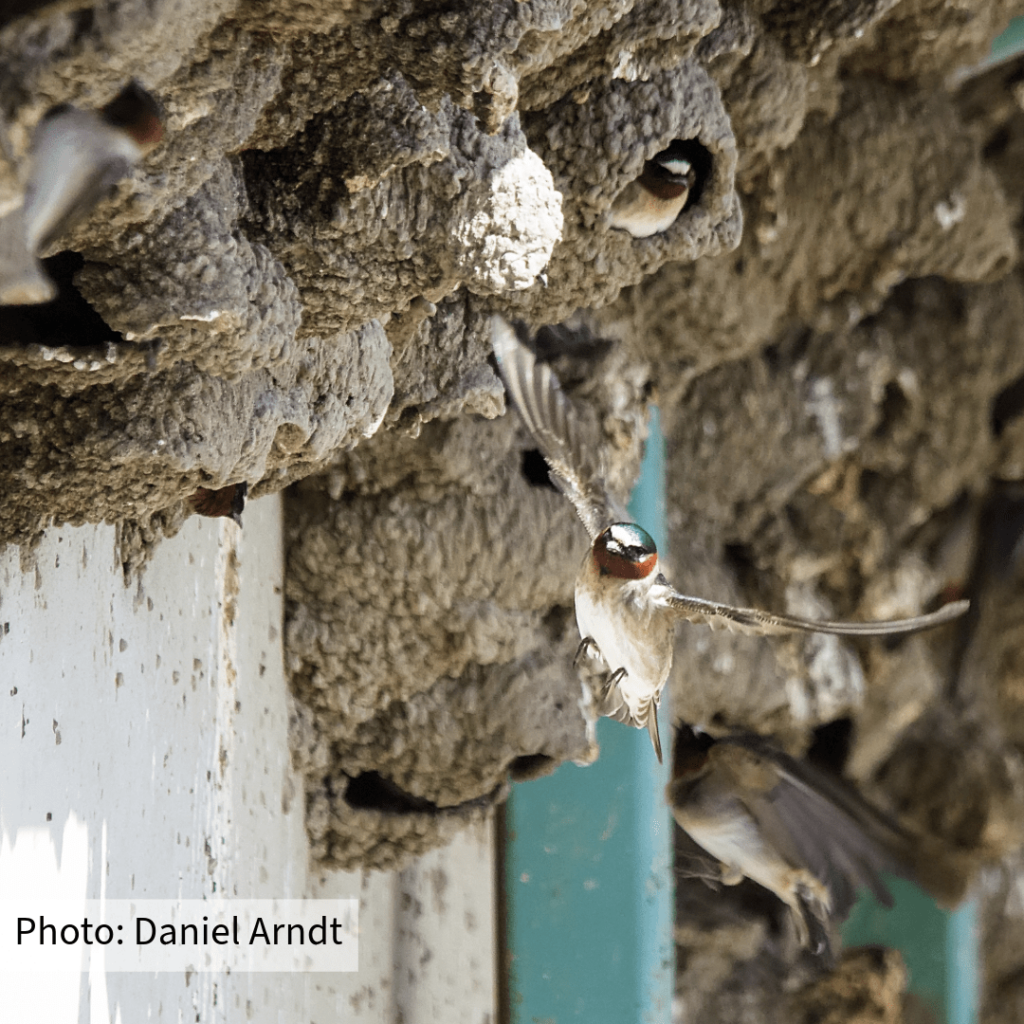
Credit: learn.birdscanada.org
Key Habitat Features
Birds need specific features in their habitat to survive and thrive. These features support their daily needs and protect them from dangers. Understanding these key habitat features helps us protect bird populations and their homes.
Food Sources
Birds require a steady supply of food to maintain energy and health. Their diet varies by species but often includes seeds, insects, fruits, and nectar. Habitats rich in diverse plants and insects provide ample food. Seasonal changes can affect food availability, so birds may move to find better sources.
Nesting Sites
Nesting sites give birds a safe place to lay eggs and raise young. Trees, shrubs, and ground cover serve as common nesting spots. Some birds use cavities in trees, while others build nests on branches or the ground. The right nesting site protects eggs from predators and harsh weather.
Water Availability
Water is vital for drinking and bathing. Birds need clean water sources like ponds, streams, or puddles. Water availability influences where birds live and gather. Wetlands and riparian areas often attract many bird species due to abundant water and food.
Shelter And Protection
Shelter helps birds hide from predators and harsh weather. Dense vegetation, thickets, and rock crevices offer cover. Birds also use their habitat’s features to avoid strong winds and extreme temperatures. Safe shelter increases their chances of survival and reproduction.
Threats To Bird Habitats
Bird habitats face numerous threats that directly impact their survival and well-being. These dangers come from human activities and natural changes, making it harder for birds to find food, shelter, and breeding grounds. Understanding these threats helps you see the urgency in protecting these vital spaces.
Deforestation And Habitat Loss
Cutting down forests removes the trees and plants birds rely on for nesting and food. Urban expansion and farming take over natural spaces, leaving fewer places for birds to live. Have you noticed fewer birds in your area as trees disappear? This loss forces birds to move or face population declines.
Pollution And Contamination
Pollutants like pesticides and plastics poison birds and their habitats. Chemicals can contaminate water sources, affecting birds that depend on clean water. Even noise pollution disrupts bird communication and breeding. What small actions could you take to reduce pollution near your home?
Climate Change Effects
Rising temperatures and changing weather patterns alter food availability and migration schedules. Some bird species struggle to adapt quickly, leading to lower survival rates. Have you observed changes in bird behavior or timing in your region? These shifts can unbalance entire ecosystems.
Invasive Species
Non-native plants and animals often outcompete or prey on native birds and their food sources. These invaders disrupt the natural balance of habitats, making survival tougher for local species. Can you identify invasive species around you and help control their spread?
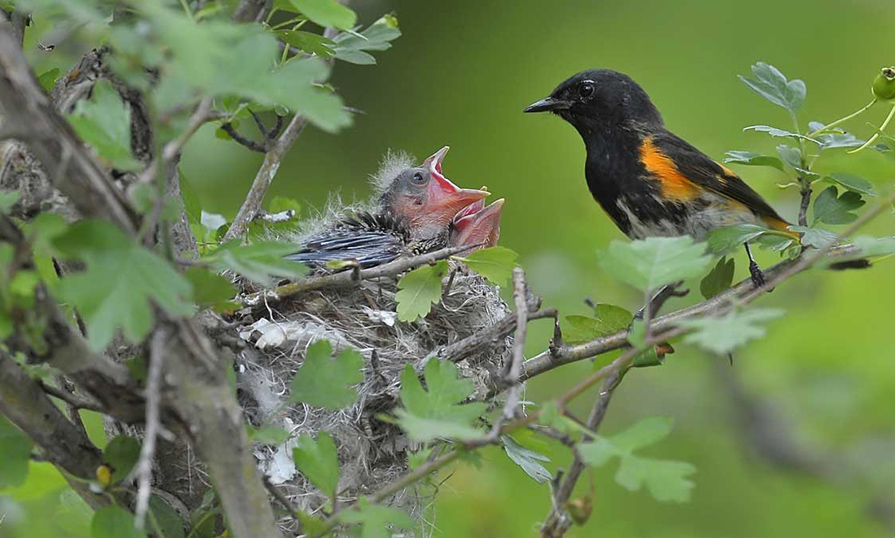
Credit: www.nscc.ca
How To Support Bird Habitats
Bird habitat is the natural place where birds live, find food, and raise their young. Protecting these areas helps birds survive and thrive in the wild. Supporting habitats means preserving trees, plants, and water sources birds need every day.
Supporting bird habitats is crucial for maintaining biodiversity. Birds play a vital role in ecosystems by pollinating plants, controlling pests, and spreading seeds. There are several ways to support bird habitats in our communities and backyards.Creating Bird-friendly Gardens
Design gardens with birds in mind. Use a variety of plant types and heights. This mimics natural environments and provides shelter. Include bird feeders and birdbaths. These attract birds and offer nourishment. Opt for plants that produce seeds or berries. They are natural food sources.Supporting Conservation Efforts
Join local bird conservation groups. Participate in bird counts or habitat restoration projects. Support policies that protect bird habitats. Consider donating to organizations focused on bird conservation. Every action, big or small, helps protect birds.Reducing Pollution
Pollution harms birds in many ways. Reduce plastic usage to prevent ocean pollution. Use fewer chemicals in gardens. They can poison birds and their food sources. Properly dispose of waste to keep habitats clean.Promoting Native Plant Growth
Native plants are essential for local birds. They provide food and shelter year-round. Research which plants are native to your area. Plant them in your garden. Native plants require less water and care. They are adapted to the local climate, benefiting both birds and gardeners.
Credit: smallfarms.cornell.edu
Frequently Asked Questions
What Defines A Bird Habitat?
A bird habitat is an environment where birds live and find food, shelter, and breeding grounds. It includes forests, wetlands, grasslands, and urban areas. Each habitat supports different bird species based on their needs and adaptations.
Why Is Bird Habitat Important?
Bird habitats provide essential resources like food, shelter, and nesting sites. They support bird survival and reproduction. Healthy habitats also maintain biodiversity and ecological balance, benefiting both birds and humans.
How Do Birds Choose Their Habitats?
Birds select habitats based on food availability, safety, climate, and nesting options. They prefer areas that meet their survival needs and offer protection from predators and harsh weather.
What Threats Affect Bird Habitats?
Habitat loss, pollution, climate change, and urbanization are major threats. These factors reduce food sources and nesting sites, causing bird population declines and disrupting ecosystems.
Conclusion
Bird habitats provide food, shelter, and safety for birds. Protecting these areas helps keep bird populations healthy. Different birds need different homes like forests, wetlands, or grasslands. When habitats disappear, birds struggle to survive. We can help by planting native trees and avoiding pollution.
Watching birds in their natural homes teaches us about nature’s balance. Every small action counts for bird conservation. Caring for habitats means caring for our planet too. Let’s work together to keep bird homes safe and thriving.