

Have you ever paused to marvel at the vibrant chorus of birdsong in your backyard or during a walk in the park? Each chirp and flutter of wings tells a story about where these birds live and what roles they play in their environment.
Understanding a bird’s habitat and niche is like unlocking a secret code to nature’s incredible balance. By learning about these concepts, you can gain insight into why certain birds visit your garden, why some only appear during specific seasons, and how they contribute to the ecosystem.
This knowledge not only enriches your appreciation of nature but also empowers you to make informed decisions about conservation. Curious to discover more about these fascinating aspects of bird life? Let’s dive in!

Credit: www.wildlifenomads.com
Bird Habitats
Bird habitats are the natural places where birds live, find food, and raise their young. These habitats provide shelter, safety, and the right conditions birds need to survive. Different bird species prefer different environments based on their needs and behaviors. Understanding bird habitats helps us protect these areas and support bird populations.
Types Of Bird Habitats
Birds live in many types of habitats. Each habitat offers unique resources and challenges. Here are some common types:
- Forests:Dense trees offer food and nesting spots for many birds.
- Wetlands:Marshes, swamps, and lakes attract water-loving birds.
- Grasslands:Open fields where ground-nesting birds thrive.
- Deserts:Dry areas with sparse vegetation, home to specialized birds.
- Urban Areas:Cities and towns where birds adapt to human presence.
- Coastal Areas:Beaches and cliffs that support seabirds and shorebirds.
Factors Influencing Habitat Choice
Birds choose habitats based on several factors. These factors ensure their survival and comfort.
- Food Availability:Birds select areas rich in their preferred food.
- Water Sources:Access to water is vital for drinking and bathing.
- Safety:Protection from predators and harsh weather is crucial.
- Nesting Sites:Suitable places to build nests and raise chicks matter.
- Climate:Temperature and seasonal changes affect habitat preference.
- Competition:Birds avoid places crowded with other species.
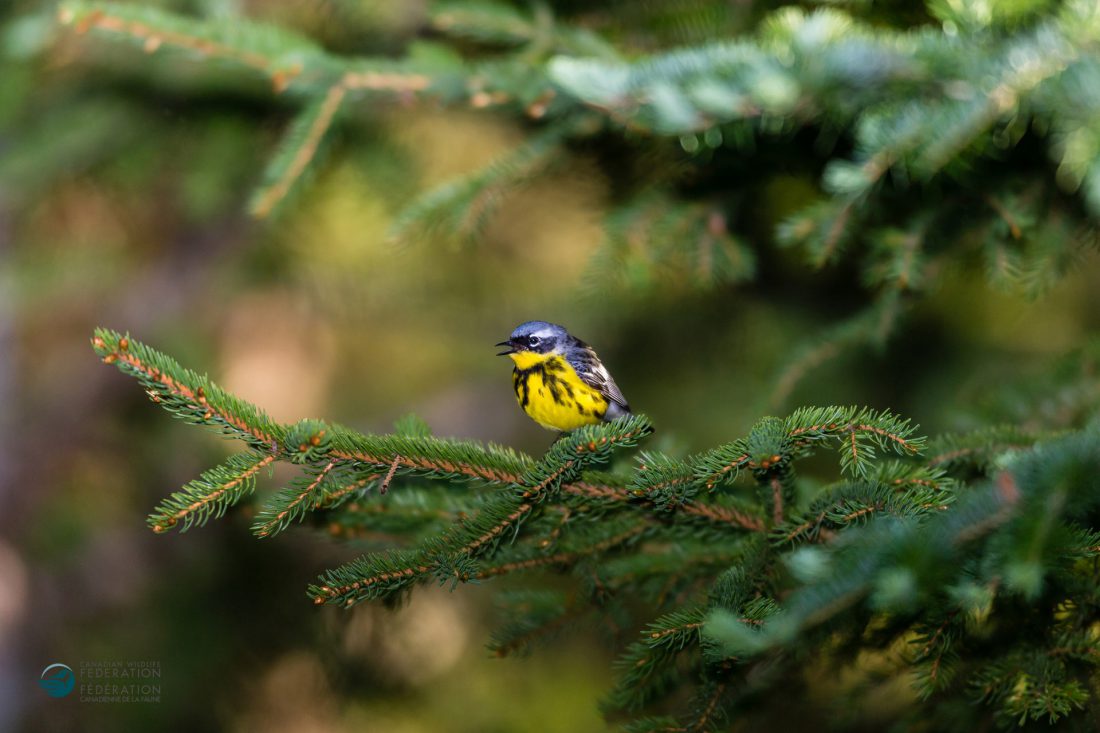
Credit: blog.cwf-fcf.org
Bird Niches
Bird niches describe how different bird species fit into their environment. A niche includes their behavior, diet, and role in the ecosystem. Each bird species has a unique niche that helps maintain balance in nature. Understanding niches reveals how birds survive and interact with other creatures.
Ecological Role Of Birds
Birds play many roles in ecosystems. They act as pollinators, seed dispersers, and pest controllers. Some birds feed on insects, reducing harmful pests. Others help plants grow by spreading seeds far from the parent plant. Birds also serve as prey for larger animals, supporting the food chain.
Resource Use And Competition
Birds use resources like food, water, and nesting sites. Different species often eat different foods or live in different places to avoid competition. For example, some birds eat insects on tree bark, while others catch flying insects. This division allows many bird species to live together without fighting over resources.
Habitat And Niche Interactions
Understanding how a bird’s habitat and niche interact can reveal a lot about its survival and behavior. These two concepts, while closely linked, focus on different aspects of a bird’s life. Habitat refers to the physical environment where a bird lives, while niche describes the bird’s role within that environment.
When you observe these interactions, you notice how the habitat directly influences what a bird can do, eat, and how it avoids predators. This connection shapes not only the bird’s daily activities but also its evolutionary path. Let’s look deeper at how habitat shapes niche and how birds adapt to specific niches.
How Habitat Shapes Niche
Your local habitat determines the resources available to birds, such as food, shelter, and nesting sites. For example, a forest habitat offers different insects and nesting spaces compared to a wetland. This means birds living in forests will develop behaviors and diets suited to those conditions.
Think about woodpeckers in wooded areas. Their habitats provide plenty of trees to peck for insects, which defines their niche as insect predators and tree nesters. If you change the habitat, say from dense forest to open grassland, the woodpecker’s niche disappears because the resources that support its lifestyle are gone.
Adaptations To Specific Niches
Birds develop unique adaptations to thrive in their niches. These adaptations can be physical, like the shape of a beak, or behavioral, like specific feeding techniques. Hummingbirds, for instance, have long, thin beaks perfectly designed to extract nectar from flowers, which fits their niche as pollinators.
Have you ever watched a bird use a tool or a special hunting method? These are examples of how behavior adjusts to meet the demands of a niche. Adaptations help birds avoid competition by specializing in certain roles, which keeps ecosystems balanced.
What kind of niche do you think the birds around your home occupy? Observing their habits can give you clues about the habitat’s influence on their survival and lifestyle.
Credit: www.biologyonline.com
Threats To Habitats And Niches
Birds depend on specific habitats and niches to live and thrive. These environments provide food, shelter, and breeding spaces. Threats to these habitats can disturb bird populations and reduce biodiversity. Many factors, mainly caused by humans, put pressure on birds’ natural living spaces. Understanding these threats is key to protecting birds and their roles in ecosystems.
Human Impact On Bird Environments
Human activities change or destroy bird habitats rapidly. Urban growth replaces forests and wetlands. Farming clears land and affects food sources. Pollution poisons water and soil, harming birds and insects they eat. Noise and light pollution disrupt bird behavior and communication. Climate change alters weather patterns and shifts habitats, forcing birds to move or adapt quickly.
Conservation Strategies
Protecting bird habitats requires careful planning and action. Creating protected areas helps preserve important bird environments. Restoring damaged habitats improves food and shelter availability. Planting native trees and plants supports local bird species. Reducing pollution limits harmful effects on birds and insects. Community education raises awareness about bird needs and conservation. Monitoring bird populations helps track changes and guide efforts.
Frequently Asked Questions
What Defines A Bird’s Habitat?
A bird’s habitat is the natural environment where it lives and finds food. It includes trees, water, and shelter.
How Does A Bird’s Niche Differ From Habitat?
A niche is a bird’s role in the ecosystem, including its diet and behavior, while habitat is its physical home.
Why Are Habitats Important For Birds?
Habitats provide food, shelter, and breeding sites. Without suitable habitats, birds cannot survive or reproduce effectively.
Can Birds Adapt To Changing Habitats?
Yes, some birds adapt by changing their diet or nesting sites. However, rapid habitat loss can threaten their survival.
Conclusion
Birds live in many different places, each with a unique habitat. Their niche shows how they find food and shelter. Understanding these helps protect birds and their homes. Every bird plays a role in nature’s balance. By learning about habitats and niches, we can care for our feathered friends better.
Nature depends on these connections to stay healthy and strong.