

Have you ever wondered where the fascinating cocoa birds make their home? Imagine a place where vibrant colors and lively songs fill the air.
These captivating creatures thrive in unique habitats that offer everything they need to survive and flourish. We’ll explore the fascinating environments that cocoa birds call home. By understanding their habitats, you’ll discover how these birds contribute to the intricate tapestry of nature.
Get ready to uncover the secrets of their living spaces and see the world through the eyes of these remarkable birds. Keep reading to find out what makes their habitat truly special and why it matters to you and the environment.
Cocoa Birds And Their Environment
Cocoa birds thrive in specific environments that support their unique lifestyle. These birds depend on habitats that provide food, shelter, and safe breeding areas. Understanding their environment helps us appreciate their role in nature and the challenges they face.
The natural habitat of cocoa birds is mostly tropical forests. These forests offer dense foliage and a variety of plants that supply seeds and insects for their diet. The thick canopy also protects them from predators and harsh weather.
Cocoa Birds’ Preferred Forest Types
- Lowland rainforests with rich biodiversity
- Secondary forests with young trees and shrubs
- Forest edges where food is abundant
Climate Conditions For Cocoa Birds
- Warm temperatures year-round
- High humidity levels
- Regular rainfall supporting plant growth
Importance Of Trees And Vegetation
Tall trees provide nesting sites and perches. Leafy branches offer cover from predators. Flowering plants attract insects, which are a food source. Fruit-bearing trees supply essential nutrients during certain seasons.
- Deforestation reducing forest cover
- Habitat fragmentation isolating populations
- Climate change altering vegetation patterns
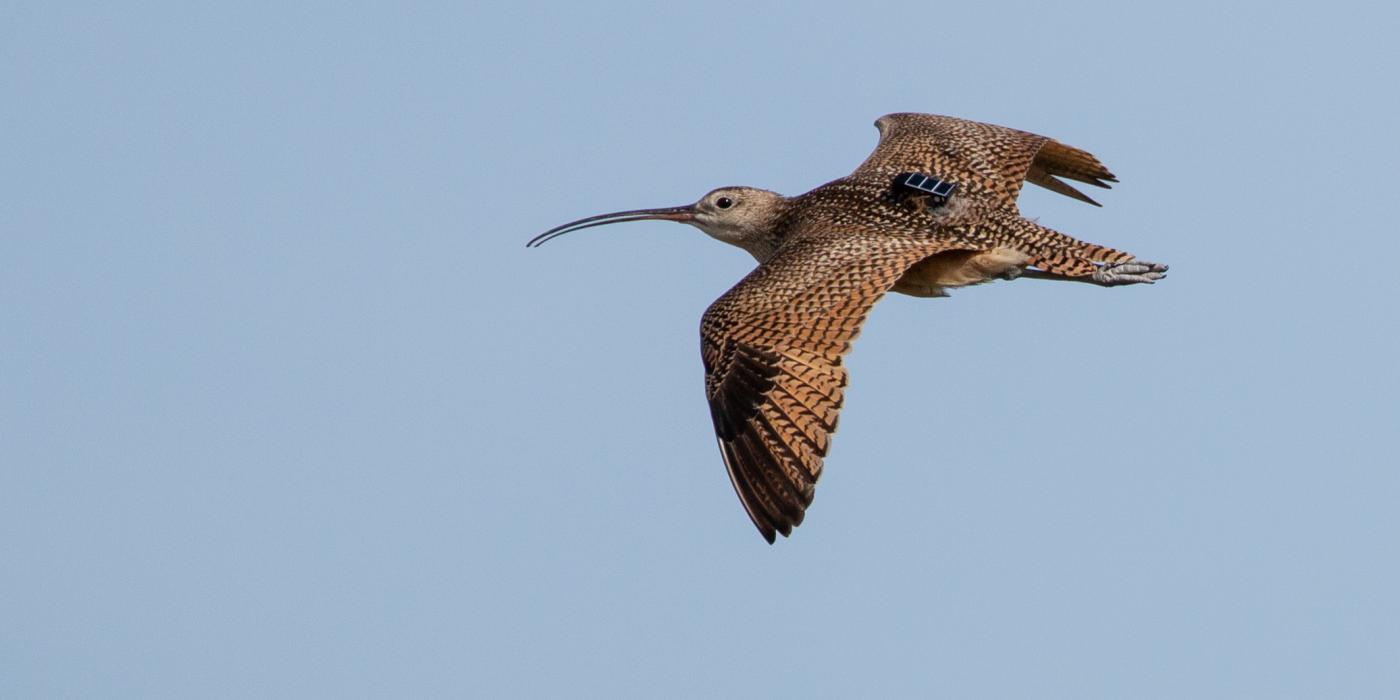
Credit: nationalzoo.si.edu
Tropical Forests As Primary Habitats
Tropical forests serve as the main home for cocoa birds, providing everything these birds need to thrive. The dense trees and rich plant life create the perfect environment for nesting, feeding, and protection. Understanding why these forests are so crucial can help you appreciate the delicate balance of nature that supports cocoa birds.
Tropical Forest Structure And Its Role
The layered structure of tropical forests offers multiple levels where cocoa birds can live and find food. The canopy provides shelter and a safe place to build nests away from many predators. Meanwhile, the understory and forest floor supply insects and fruits that form their diet.
Climate And Food Availability
Tropical forests have consistent warm temperatures and high humidity, ideal for cocoa birds. These conditions support a wide variety of plants and insects that the birds rely on daily. Have you ever noticed how the abundance of food in these forests directly influences bird populations?
Importance Of Biodiversity
The rich biodiversity in tropical forests means cocoa birds share their habitat with many other species. This diversity helps maintain a healthy ecosystem, which in turn supports the birds’ survival. How might changes in this biodiversity impact your local wildlife?
Threats To Tropical Forest Habitats
Deforestation and human activity are shrinking these vital habitats at an alarming rate. When tropical forests disappear, cocoa birds lose not just their homes but their food sources too. What steps can you take to support conservation efforts and protect these unique habitats?
Adaptations To Natural Homes
Cocoa birds have evolved unique traits that help them thrive in their natural habitats. These adaptations are not random; they are precise changes that allow the birds to find food, avoid predators, and reproduce successfully. Understanding these adaptations gives you a clearer picture of how these birds fit perfectly into their environment.
Physical Adaptations For Survival
Cocoa birds often have strong, curved beaks designed for cracking open hard cocoa pods. This beak shape is essential for accessing the seeds inside, which form a large part of their diet.
Their feet are also adapted to grip tree branches securely. This helps them move easily through the dense foliage of cocoa plantations or forests where they live.
Camouflage And Coloration
The colors of cocoa birds blend well with the green and brown tones of their environment. This natural camouflage helps them stay hidden from predators.
You might not notice them at first because their feathers match the leaves and branches perfectly. This adaptation is crucial for their safety during nesting and resting periods.
Behavioral Adaptations In Nesting
Cocoa birds choose nesting sites that protect their young from harsh weather and predators. They often select thick, leafy branches or tree cavities that offer good cover.
Some species build nests close to cocoa trees, which provide both food and shelter. This behavior ensures their chicks have a higher chance of survival.
Dietary Adaptations To Cocoa Environments
Their digestive systems are specialized to process cocoa seeds and other local fruits efficiently. This allows cocoa birds to make the most of the food resources available.
Have you ever wondered how their diet influences their role in the ecosystem? By feeding on cocoa pods and spreading seeds, they help maintain the health of their habitat.
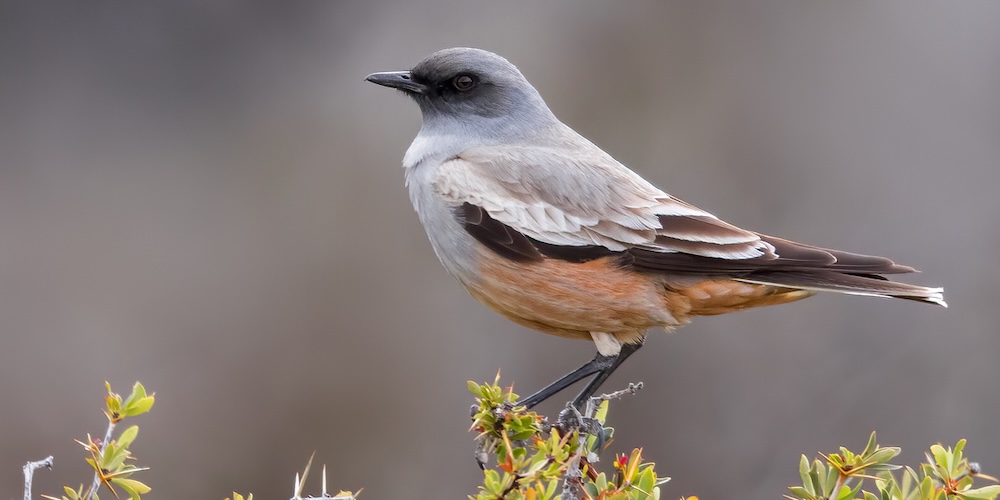
Credit: fatbirder.com
Threats To Cocoa Bird Habitats
The habitats where cocoa birds live face growing threats that put their survival at risk. These threats come from human activities and natural changes that destroy or alter the places these birds call home. Understanding these dangers helps you see why protecting their habitat matters so much.
Deforestation And Habitat Loss
Forests are the main homes for cocoa birds. When trees are cut down for farming, logging, or urban growth, these birds lose their shelter and food sources.
You might walk through a forest and notice fewer birds singing. This is a sign of habitat loss. Without trees, cocoa birds struggle to find safe places to nest and raise their young.
Climate Change Effects
Changing weather patterns affect where cocoa birds can live. Rising temperatures and shifting rainfall can alter the forest environment.
Have you ever noticed how some animals move to cooler areas? Cocoa birds may be forced to leave their usual habitats if conditions become unsuitable, which affects their chances of survival.
Pollution And Pesticides
Pollution from chemicals and pesticides can poison the insects and plants that cocoa birds feed on. This reduces the food available and harms the birds directly.
Think about the impact of spraying chemicals near your garden. Similar actions in forests can quietly harm wildlife like cocoa birds without obvious signs.
Human Encroachment And Disturbance
Expanding towns and roads break up the continuous forest areas cocoa birds need. This fragmentation creates isolated patches that are harder for birds to use.
When you visit natural areas, notice how quiet they are compared to busy cities. Noise and human activity disrupt bird behavior, making it tough for cocoa birds to thrive.

Credit: nationalzoo.si.edu
Frequently Asked Questions
What Type Of Habitat Do Cocoa Birds Prefer?
Cocoa birds prefer tropical rainforests with dense tree cover. They thrive in humid, warm environments rich in cocoa plants and insects. These habitats provide ample food and nesting sites essential for their survival.
Where Are Cocoa Birds Commonly Found?
Cocoa birds are commonly found in West African countries like Ghana and Ivory Coast. These regions have extensive cocoa plantations and natural forests, offering ideal habitats for cocoa birds to live and breed.
How Does Habitat Affect Cocoa Bird Behavior?
Habitat impacts cocoa bird behavior by influencing their feeding and breeding patterns. Dense forests offer protection and food sources, encouraging nesting. Habitat loss can disrupt their life cycle and reduce their population.
Why Is Forest Conservation Important For Cocoa Birds?
Forest conservation is crucial for cocoa birds because it preserves their natural habitat. Protecting forests ensures food availability and safe nesting areas. This helps maintain healthy cocoa bird populations and overall biodiversity.
Conclusion
Cocoa birds live mostly in tropical forests. They like warm, wet places with many trees. These birds build nests in thick branches or tree holes. Forests provide food like fruits and insects for them. Protecting these habitats helps cocoa birds survive and thrive.
Losing forests means losing homes for these birds. Everyone can help by supporting forest conservation efforts. Understanding their habitat shows how nature connects all living things. Nature’s balance depends on healthy habitats for animals like cocoa birds.