

Thinking about bringing a pet bird into your home? That’s an exciting decision!
Birds are vibrant, intelligent, and can be wonderful companions. But before you welcome a feathered friend, it’s crucial to know exactly what you need to ensure they have a happy and healthy life. Are you ready to discover the essentials that will transform your home into a bird-friendly paradise?
Let’s dive into everything you need to get started on this rewarding adventure. The right setup not only makes your bird feel safe and comfortable, but it also strengthens the bond between you and your new pet. Keep reading to find out how to create the perfect environment for your avian companion and unlock the secrets to a joyful bird-keeping experience.
Choosing The Right Cage
Choosing the right cage for your pet bird is a crucial step that impacts its comfort, safety, and happiness. The cage isn’t just a home; it’s where your bird spends a large part of its day. Picking the right one means considering several factors that suit your bird’s specific needs and your living environment.
Size And Material
Size matters more than you might think. Your bird needs enough room to spread its wings fully, climb, and play without feeling cramped. A cage that’s too small can lead to stress and health issues.
Material is equally important. Stainless steel cages are durable and easy to clean, while powder-coated metal cages come in a variety of colors but may chip over time. Avoid cages with toxic paint or coatings, as birds tend to chew on the bars.
Bar Spacing And Security
Bar spacing should match your bird’s size to prevent injury or escape. Smaller birds like finches need narrow spacing (about 1/2 inch), while larger parrots can have wider bars (up to 1 inch).
Security features like strong locks and reinforced doors can keep your bird safe from curious pets or accidental openings. Have you checked how easily your cage door closes? Some birds learn to open simple latches quickly.
Placement In Your Home
Where you place the cage affects your bird’s mood and health. Choose a spot with good natural light but avoid direct sunlight that can overheat the cage. Draft-free areas are essential to prevent chills.
Birds are social creatures, so placing the cage where your family spends time helps them feel included. But be careful to avoid noisy areas like near the TV or kitchen appliances, which can stress your bird out.
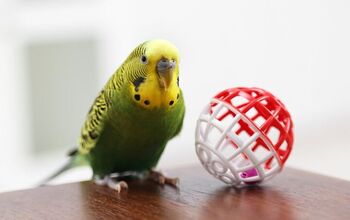
Credit: www.petguide.com
Feeding Essentials
Feeding your pet bird properly is crucial for its health and happiness. Birds have specific dietary needs that vary by species, so understanding the basics can help you avoid common mistakes. Getting the feeding essentials right not only supports their nutrition but also keeps them active and vibrant.
Types Of Bird Food
There are several types of bird food you should consider to provide a balanced diet. Seeds are popular but often lack essential nutrients if given alone. Pellets offer a more complete nutrition profile, designed to meet the bird’s dietary needs.
Fresh fruits and vegetables are also important. Try adding leafy greens, carrots, or apples in small, safe amounts. Have you noticed how your bird reacts to fresh food compared to just seeds? Their energy levels and behavior can change noticeably.
Water And Feeding Bowls
Clean water is as important as food. Use stainless steel or ceramic bowls instead of plastic to avoid bacteria buildup. Change the water daily to keep it fresh and inviting.
Feeding bowls should be easy to access but secure enough to prevent spills. Consider placing multiple bowls if you have more than one bird. Have you ever seen your bird struggle with a bowl that’s too deep or slippery? Choosing the right size matters.
Treats And Supplements
Treats can be a great way to bond and reward your bird. Opt for healthy options like millet sprays or small bits of nuts. Avoid sugary or salty human snacks, which can harm your bird.
Supplements might be necessary, especially if your bird’s diet lacks variety. Calcium and vitamin supplements support bone health and feather condition. Before adding supplements, check with your vet to avoid overdosing.
Toys And Enrichment
Keeping your pet bird happy and healthy goes beyond just food and shelter. Toys and enrichment are essential to prevent boredom and promote natural behaviors. They help your bird stay active, reduce stress, and build trust with you.
Chew Toys And Foraging
Birds love to chew, and providing chew toys satisfies this natural urge while protecting your furniture. Look for toys made from safe materials like untreated wood, leather, or natural fibers.
Foraging toys add a fun challenge by hiding treats inside. This encourages your bird to use its problem-solving skills and keeps mealtime exciting. Have you noticed how your bird’s eyes light up when they discover a hidden snack?
Perches And Swings
Varied perches support your bird’s foot health and prevent boredom. Use different textures and diameters, such as natural wood, rope, or even concrete perches.
Swings add motion and fun. Many birds enjoy the gentle movement, which mimics natural environments. Don’t forget to place these in spots where your bird can watch the room and feel involved.
Mental Stimulation Activities
Simple games and training sessions can keep your bird’s mind sharp. Teaching your bird to step up, wave, or retrieve objects builds communication and deepens your bond.
Puzzles and interactive toys challenge your bird to think and stay engaged. Try rotating toys regularly to keep things fresh. What new skill could your bird learn today if given the chance?

Credit: birdsupplies.com
Health And Safety Supplies
Keeping your pet bird healthy and safe is crucial for its happiness. Health and safety supplies help prevent illness and injury. They also create a clean, secure space for your bird to thrive.
Cleaning Tools
Cleanliness stops germs and keeps your bird’s home fresh. Use bird-safe disinfectants for cages and toys. Soft brushes and cloths remove dirt without harming feathers. Replace cage liners often to avoid bacteria buildup.
First Aid Kit
Basic first aid helps treat minor cuts and emergencies. Include items like:
- Antiseptic wipes safe for birds
- Styptic powder to stop bleeding
- Tweezers for removing splinters
- Small scissors for trimming feathers or nails
- Digital thermometer to check bird’s temperature
Keep the kit accessible and know how to use each item.
Safe Environment Tips
A safe environment lowers risks of accidents and illness. Avoid toxic plants and fumes from cooking or cleaning. Keep windows and doors closed or screened. Remove sharp objects and loose wires from reach. Maintain proper lighting and temperature for your bird’s comfort.

Credit: oursweettealife.com
Frequently Asked Questions
What Essential Supplies Do I Need For A Pet Bird?
You need a spacious cage, food and water dishes, bird-safe toys, and perches. Also, provide nutritious bird food and a clean environment for health.
How Do I Choose The Right Cage For My Pet Bird?
Select a cage large enough for your bird to move freely. Ensure bar spacing suits the bird’s size and the cage is easy to clean.
What Type Of Food Is Best For Pet Birds?
Offer a balanced diet with high-quality pellets, fresh fruits, vegetables, and occasional seeds. Avoid junk food and always provide fresh water daily.
How Often Should I Clean My Pet Bird’s Cage?
Clean the cage at least once a week, but spot-clean daily. Remove droppings, leftover food, and replace bedding to maintain hygiene.
Conclusion
A pet bird needs a safe home, fresh food, and clean water. Toys and perches keep birds happy and active. Regular care and attention build trust and love. Understanding your bird’s needs helps it stay healthy. Small efforts create a strong bond with your pet.
Enjoy the joy and company a bird can bring. Caring for a bird is simple with the right tools. Your pet will thrive with patience and kindness.