

Have you ever wondered what makes a perfect home for birds? If you want to attract beautiful feathered friends to your backyard or simply understand how they survive in the wild, knowing what birds need in a habitat is key.
The right environment can mean the difference between a busy, lively bird community and an empty, silent space. Keep reading, and you’ll discover the simple but essential elements that create a safe and welcoming habitat for birds. This knowledge will not only help you support local wildlife but also bring more life and color to your surroundings.
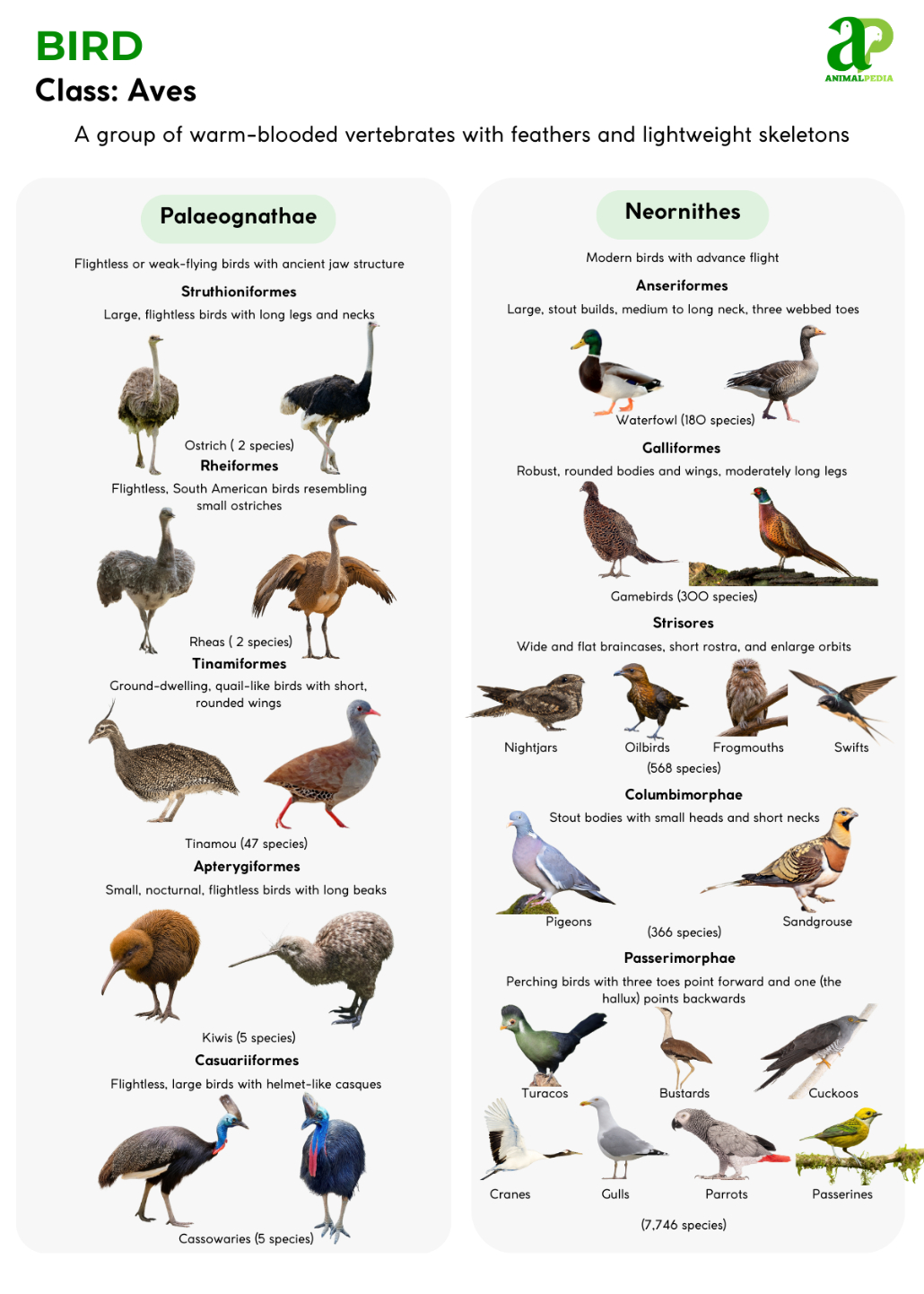
Credit: animal-pedia.org
Food Sources
Birds need a variety of food sources in their habitat to stay healthy and active. Different species have different diets, but most rely on natural foods found nearby. Food availability shapes where birds live and how they behave.
Insects And Worms
Many birds eat insects and worms. These foods provide essential proteins and nutrients. Insects include beetles, ants, and caterpillars. Worms are easy to find in moist soil. Birds like robins and woodpeckers often hunt for these tasty treats. Insects and worms are especially important during breeding season to feed young chicks.
Seeds And Fruits
Seeds and fruits are a major food source for many birds. Seeds come from grasses, flowers, and trees. Fruits include berries, apples, and cherries. Birds such as finches and sparrows eat seeds regularly. Fruit-eaters like thrushes and waxwings gain energy from sweet fruits. These foods are rich in carbohydrates and vitamins, helping birds store energy for flight and cold weather.
Nectar And Small Animals
Some birds feed on nectar, especially those with long beaks like hummingbirds. Nectar provides quick energy through sugars. Other birds hunt small animals such as frogs, fish, or lizards. Birds of prey like hawks catch small mammals and birds. This diet offers high protein and fat, supporting strong muscles and sharp eyesight.
Water Availability
Water is essential for birds to survive and thrive in their habitat. It helps them stay hydrated, aids in digestion, and supports their daily activities like bathing and cooling down. Birds depend on reliable water sources to maintain their health and energy. The availability of water impacts where birds choose to live and nest. Clean and accessible water is crucial for all bird species.
Natural Water Bodies
Birds often rely on natural water bodies such as lakes, rivers, and ponds. These sources provide fresh water and attract insects and plants, which serve as food. Natural water bodies also offer space for birds to bathe and preen. Birds use these areas to drink and cool off during hot weather. The size and cleanliness of these water bodies affect how many birds visit them.
Rainwater Collection
Rainwater collection plays a vital role in maintaining water availability. Birds find water in small puddles or rain-filled tree holes. Gardeners can help by setting up rainwater catchments or shallow dishes. These spots offer safe and fresh water, especially during dry periods. Collecting rainwater creates mini-habitats that support bird life year-round.
Safe Drinking Spots
Birds need safe places to drink without threats from predators. Calm and quiet areas near water allow birds to drink peacefully. Avoiding strong currents or deep water helps prevent accidents. Providing shallow, clean dishes or birdbaths can create safe drinking spots. Keeping these areas free of chemicals and debris ensures birds stay healthy.
Shelter And Nesting
Birds need safe places to rest, hide, and raise their young. Shelter and nesting sites are vital for their survival. These spaces protect birds from weather and predators. They also provide spots to build nests and lay eggs. Different birds prefer different types of shelter and nesting areas.
Trees And Shrubs
Trees and shrubs offer excellent shelter for many birds. Branches and leaves create shade and hide birds from danger. Birds build nests in forks of branches or dense shrubs. Trees also provide food like insects and fruits. Shrubs near the ground help small birds stay safe and warm.
Cavities And Nest Boxes
Some birds use cavities in trees to nest. These holes offer protection from wind and predators. Woodpeckers, owls, and some songbirds prefer cavities. Nest boxes can help birds that need these spaces. People can place boxes in gardens or parks. Boxes must be clean and placed at safe heights.
Ground Cover
Ground cover includes grasses, leaves, and low plants. Many birds use this cover to hide nests and eggs. It helps keep eggs safe from larger animals. Ground cover also offers insects and seeds for food. Birds like quails and sparrows often nest on the ground. Dense cover is best for protection and warmth.
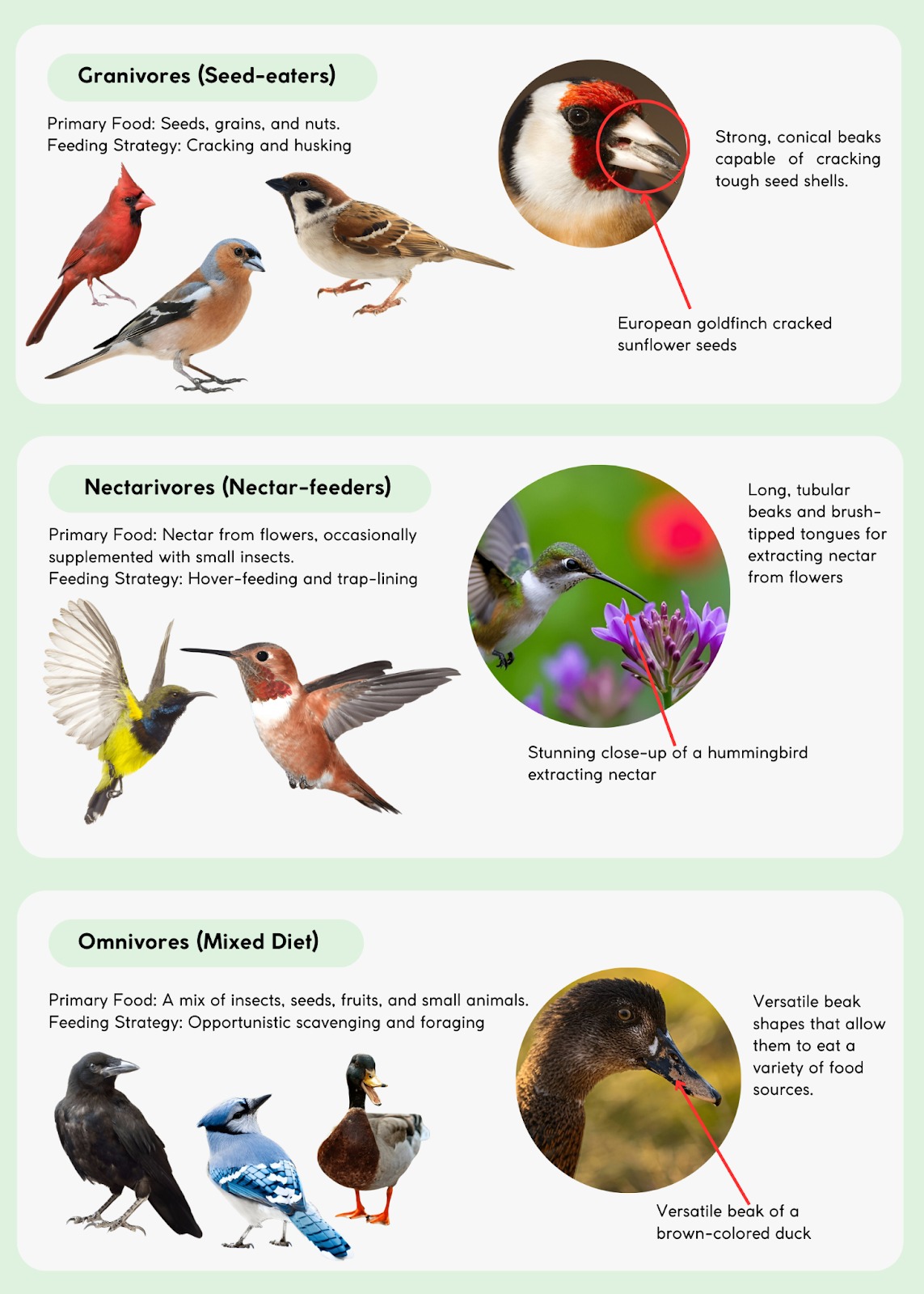
Credit: animal-pedia.org
Safe Environment
Birds need a safe environment with shelter from predators and harsh weather. Quiet, undisturbed areas help them build nests and raise their young. A habitat with plenty of hiding spots keeps birds protected and comfortable.
Creating a safe environment for birds is crucial for their survival and well-being. Birds, like any other creatures, require a habitat that protects them from threats and provides a space where they can thrive. Understanding the key elements of a safe environment can help you create a sanctuary for these feathered friends.Protection From Predators
Birds face threats from various predators, including cats, hawks, and raccoons. To shield birds from these dangers, consider placing birdhouses at a safe height and using predator guards. Planting dense shrubs can also offer birds a natural hiding place, making it harder for predators to reach them.Minimal Human Disturbance
Human activities can disrupt bird habitats significantly. Noise, pollution, and constant foot traffic can stress birds and disrupt their natural behaviors. Creating buffer zones around nesting areas and reducing unnecessary noise can help birds feel secure and undisturbed in their environment.Suitable Climate Conditions
Birds need a habitat with climate conditions that suit their specific needs. This includes appropriate temperature, humidity, and access to water sources. Planting native vegetation can help maintain the natural balance of the habitat, providing food and shelter that align with the birds’ climate preferences. By fostering a safe environment, you’re not just ensuring the survival of birds; you’re enriching the ecosystem. How can your backyard become a haven for these amazing creatures?
Credit: www.allaboutbirds.org
Frequently Asked Questions
What Basic Elements Do Birds Need In A Habitat?
Birds need food, water, shelter, and nesting sites for survival. These elements provide energy, protection, and a place to reproduce. A suitable habitat must offer all these to support bird life effectively.
How Important Is Food Variety For Birds In Habitats?
Food variety is crucial for birds as it ensures balanced nutrition. Different birds eat seeds, insects, fruits, or nectar. A diverse food supply helps maintain healthy populations and supports various bird species in one habitat.
Why Do Birds Need Safe Nesting Areas?
Safe nesting areas protect birds from predators and harsh weather. These sites are essential for breeding and raising young birds. Without secure nesting spots, bird populations cannot thrive or sustain themselves over time.
How Does Water Availability Affect Bird Habitats?
Water is vital for drinking and bathing, helping birds stay healthy. Habitats near water sources attract more bird species. Consistent water availability supports feeding and temperature regulation for birds.
Conclusion
Birds need safe places to live and find food. Trees, water, and shelter help them survive. A good habitat supports their nests and young ones. Protecting natural spaces keeps bird populations healthy. Everyone can help by caring for the environment.
Small actions make a big difference for birds. Nature thrives when birds thrive too. Understanding their needs helps us keep them around. Birds bring life and beauty to our world. Let’s work together to protect their homes.