
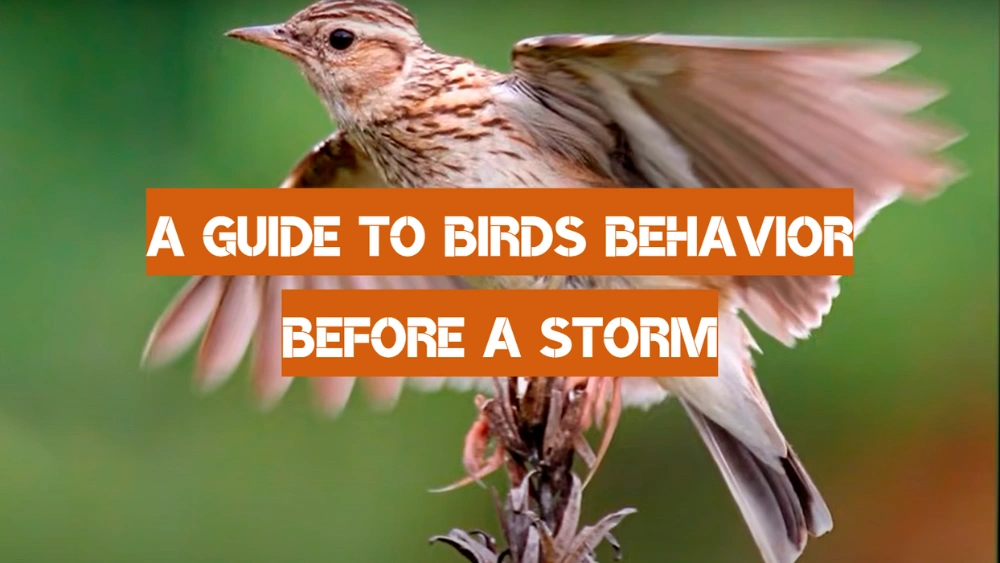
Have you ever wondered how birds seem to know when a storm is coming or why they suddenly appear in your backyard after a rain shower? Weather changes play a crucial role in the daily lives of our feathered friends.
These shifts can influence everything from their migration patterns to their feeding habits. By understanding these behaviors, you can gain a deeper appreciation for the natural world around you. Imagine knowing why the birds in your area act the way they do, and how you can better support them during different weather conditions.
This knowledge not only enriches your connection with nature but also empowers you to become a more mindful observer of the environment. Dive into this article to discover the fascinating ways weather impacts bird behavior and find out how you can make a positive difference in their world.
Credit: www.gowanlea.com
Weather Effects On Bird Migration
Bird migration depends heavily on weather conditions. Changes in weather can alter flight paths and timing. Birds adjust their migration strategies to use favorable weather. Understanding these effects helps explain bird movement patterns.
Wind Patterns And Flight Routes
Wind direction plays a key role in bird migration. Tailwinds help birds save energy by pushing them forward. Crosswinds can force birds to change their routes. Strong headwinds slow birds down and increase fatigue. Birds often wait for optimal wind conditions before flying long distances.
Temperature Shifts And Timing
Temperature changes signal birds when to start migration. Warmer temperatures in spring trigger northward movement. Cooler temperatures in fall prompt southward flights. Sudden cold snaps may delay migration or cause early stops. Birds rely on temperature cues to time their journey safely.
Rainfall Impact On Stopovers
Rain can affect where birds rest during migration. Heavy rain reduces insect activity, limiting food supply. Birds choose stopover sites with shelter and food availability. Prolonged rain may extend stopover duration. Dry weather encourages quicker travel between stops.

Credit: www.wikiwand.com
Feeding Habits And Weather Variations
Weather changes have a direct impact on how birds find and consume food. Their feeding habits shift to match the environment around them, ensuring survival even when conditions become tough. Understanding these shifts can help you observe birds more closely and even support them in your own backyard.
Food Availability Changes
When weather shifts, the availability of food changes too. Rain or cold spells can reduce the number of insects and seeds, forcing birds to adapt quickly. You might notice fewer birds around if their favorite food becomes scarce.
During dry spells, some plants stop producing seeds, leaving seed-eaters searching for alternatives. In colder months, insects hide away or die off, so insect-eating birds often switch to fruits or nuts. Have you ever wondered why certain birds only visit your feeder during specific seasons?
Foraging Strategies In Different Conditions
Birds change how they search for food depending on the weather. On chilly days, they might spend more time foraging to build up energy, moving to sheltered spots where food is easier to find.
In wet weather, some birds avoid ground feeding and instead pick insects off leaves or bark. Others form flocks to increase the chances of finding food quickly. This behavior shows how flexible birds are in their search for survival.
- Look for birds probing bark or leaves after rain.
- Notice if birds shift feeding locations between sunny and rainy days.
- Offer water and food sources in your garden during extreme weather.
Have you tried observing how birds change their feeding spots based on the weather? These small changes reveal a lot about their resilience and intelligence.
Nesting Behavior And Climate Factors
Birds adjust their nesting behavior based on changes in weather and climate. These changes affect where birds build nests and when they start breeding. Understanding this helps us see how birds survive and thrive in different environments.
Nest Site Selection
Birds choose nest sites that protect eggs and chicks from bad weather. Rain, wind, and temperature influence their choice. Some birds prefer dense bushes for shelter. Others pick high branches to avoid flooding. Weather also affects the materials birds use for nests. Warm weather allows lighter materials. Cold or wet conditions lead to thicker, insulating nests.
Breeding Timing And Success Rates
Climate changes shift the breeding season for many birds. Warmer temperatures often cause earlier breeding. Birds time their nesting to match food availability for their chicks. Cold snaps or storms can reduce breeding success. Eggs may fail to hatch, or chicks may not survive. Consistent weather patterns improve breeding success. Unpredictable weather creates challenges for parent birds.
Social Interactions Affected By Weather
Weather changes play a powerful role in shaping how birds interact with each other. These shifts influence not just where they go but how they behave socially. Understanding these patterns can help you observe birds with fresh eyes and learn what their actions mean during different weather conditions.
Flocking Patterns
Birds often change the size and formation of their flocks based on the weather. On windy or stormy days, you might notice larger groups forming tightly together. This behavior helps them conserve energy and stay safe from harsh elements.
Calm, sunny days usually bring smaller, more scattered flocks. Birds feel less need to huddle when conditions are favorable. Have you ever watched a flock suddenly gather as a dark cloud rolls in? That quick change is a survival strategy in action.
Communication And Vocalization Changes
Weather also affects how birds communicate through sounds. During rain or strong wind, many birds reduce their calls or switch to quieter signals. Loud noises might get lost in the weather, so they adapt to make sure their messages still get through.
On clear days, you might hear more singing and complex calls. These vocalizations can serve as warnings, mating calls, or ways to keep the flock coordinated. Next time you’re outside, try to notice how the birds’ sounds change with the weather around you.

Credit: en.wikipedia.org
Frequently Asked Questions
How Does Weather Affect Bird Migration Patterns?
Weather changes influence bird migration by altering wind direction, temperature, and food availability. Birds often delay or advance migration based on these factors to optimize energy use and survival chances.
Do Birds Change Their Feeding Habits During Weather Shifts?
Yes, birds adjust feeding habits during weather changes. Cold or rainy weather may reduce insect activity, prompting birds to seek alternative food sources or increase feeding frequency.
How Do Birds Respond To Sudden Storms Or Harsh Weather?
Birds seek shelter in dense vegetation, tree cavities, or man-made structures during storms. They minimize movement to conserve energy and avoid injury until weather conditions improve.
Can Weather Changes Impact Bird Mating Behaviors?
Weather fluctuations can influence bird mating by affecting hormone levels and timing. Birds may delay nesting or alter courtship displays to match favorable environmental conditions.
Conclusion
Birds change their actions with weather shifts every day. They fly to find food or shelter when storms approach. Cold days make birds fluff up to keep warm. Rain can stop their singing or make them hide. Understanding these habits helps us protect birds better.
Watching birds during weather changes shows nature’s smart ways. Weather guides their moves, keeping them safe and alive. So, next time the sky changes, notice how birds respond. Their behavior tells a story about nature’s great balance.