
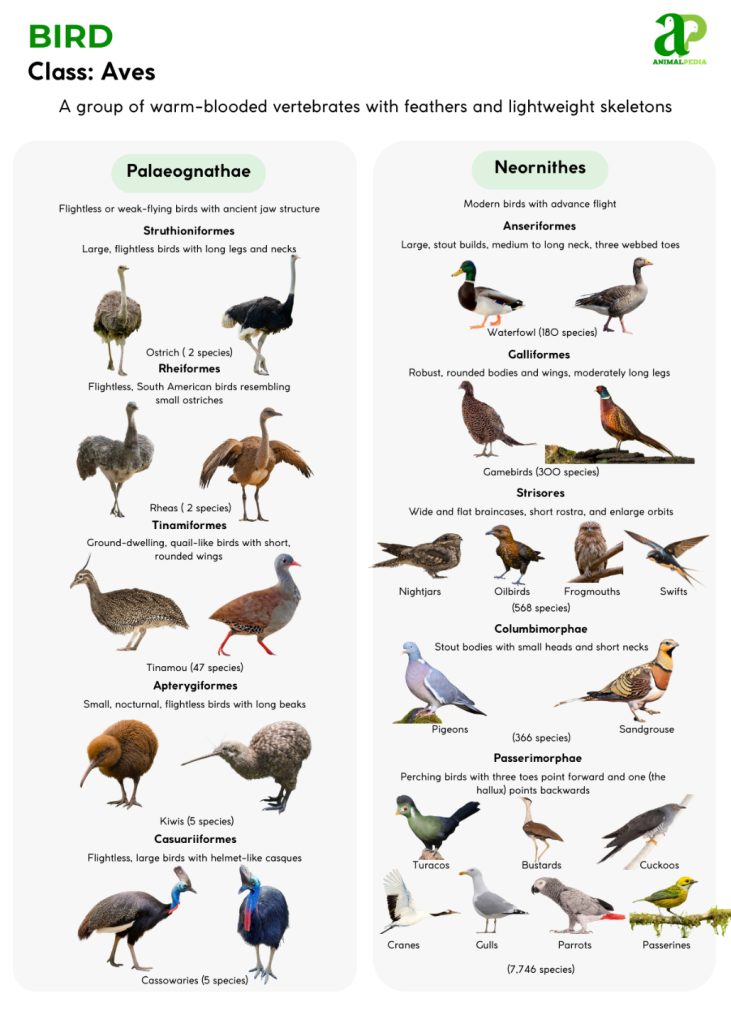
Have you ever wondered where birds choose to live and why? Understanding the habitats of birds can open your eyes to a whole new world of nature’s wonders.
Whether you’re a curious birdwatcher or just someone who loves the outdoors, knowing where birds thrive helps you spot them more easily. You’ll discover the amazing places birds call home and what makes these spots perfect for them. Get ready to see birds in a way you never have before.
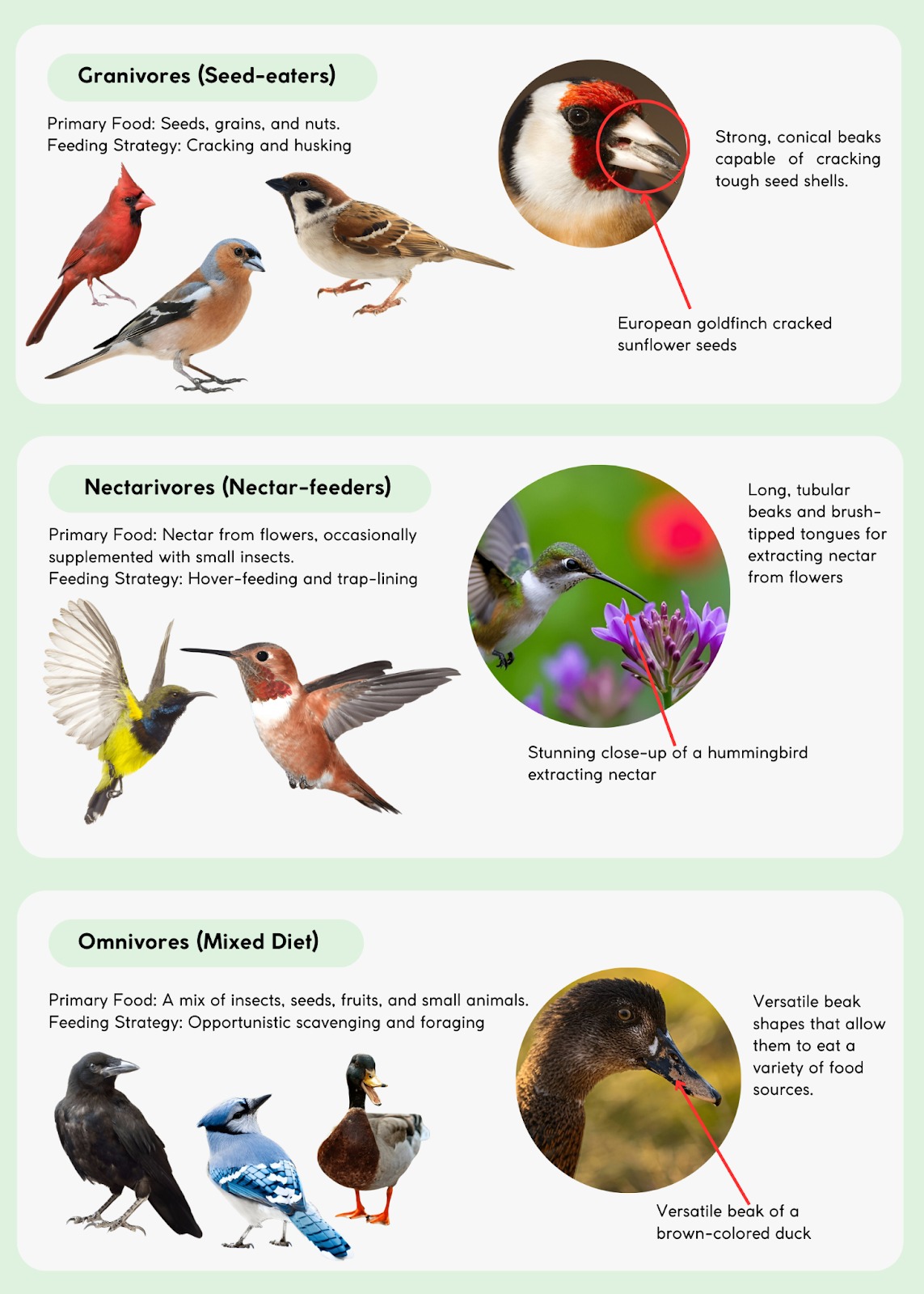
Credit: animal-pedia.org
Forest Bird Habitats
Forest bird habitats offer diverse environments for many bird species. Trees provide food, shelter, and nesting sites. Birds adapt to different forest types to survive and thrive. Forests vary by climate, tree types, and seasons. These factors shape bird communities in each forest.
Tropical Rainforests
Tropical rainforests are dense, warm, and wet all year. They have many tree layers, from tall trees to small shrubs. Birds here are colorful and loud. Many species live in the canopy, where food is abundant. Fruits, insects, and nectar attract birds. Examples include toucans, parrots, and hummingbirds.
Temperate Woodlands
Temperate woodlands have four seasons with mild to cold winters. Trees like oaks and maples lose leaves in fall. Birds must adapt to changing temperatures and food availability. Woodpeckers, chickadees, and warblers are common here. Birds often use tree cavities or build nests in branches. Migration is common in this habitat.
Boreal Forests
Boreal forests are cold and covered with conifer trees. Snow covers the ground in winter. Birds here have thick feathers to stay warm. Species such as owls, crossbills, and finches live in these forests. Food can be scarce, so birds store seeds or eat insects. Breeding happens during short summers.
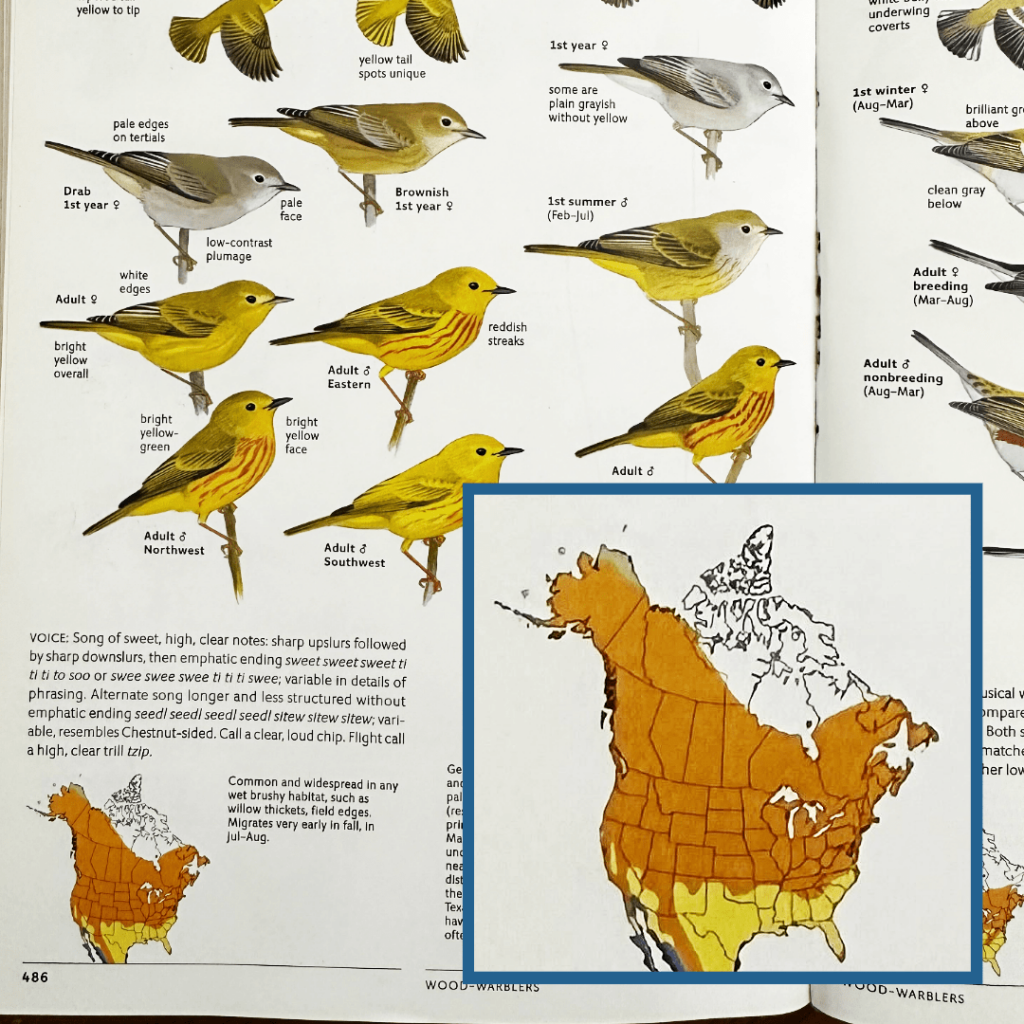
Credit: learn.birdscanada.org
Wetland Bird Homes
Wetlands provide some of the most dynamic and vital homes for birds. These areas offer water, food, and shelter in unique combinations that attract a variety of species. Understanding where birds live within wetlands can help you spot them more easily and appreciate their role in these ecosystems.
Marshes And Swamps
Marshes and swamps are rich with tall grasses, reeds, and shallow waters. Birds like herons and bitterns thrive here, using dense vegetation for nesting and hunting. Have you ever noticed how quiet these birds are? They rely on stealth in these noisy environments to catch fish and frogs.
Swamps, with their standing water and trees, attract wood ducks and red-winged blackbirds. These birds build nests in tree cavities or thick bushes. Next time you visit a swamp, look closely at the branches—you might spot hidden nests or hear bird calls blending with the sounds of insects.
Lakes And Rivers
Birds at lakes and rivers enjoy open water and nearby shores. Ducks, geese, and kingfishers are common visitors. You can watch kingfishers dive sharply into the water to catch fish—an impressive sight that shows their precision and patience.
Riverside trees and bushes provide excellent spots for nesting and resting during migration. Have you ever wondered how these birds find such specific spots? Their survival depends on choosing habitats where food is plentiful and predators are fewer.
Coastal Estuaries
Coastal estuaries mix fresh and saltwater, creating rich feeding grounds. Shorebirds like sandpipers and plovers feed on the mudflats exposed at low tide. These birds often move quickly, pecking at small invertebrates hidden in the sand.
Estuaries also support larger birds such as pelicans and gulls. They use the open water for fishing and nearby islands for nesting. If you visit an estuary, watch how these birds manage their energy between feeding and protecting their young—it’s a delicate balance that keeps populations healthy.
Grassland And Desert Nests
Birds that nest in grasslands and deserts have adapted to some of the toughest environments on Earth. These habitats offer unique challenges like extreme temperatures and scarce water. Understanding where and how birds build their nests here can give you a fresh perspective on their survival skills.
Savannas And Prairies
Savannas and prairies are vast open spaces filled mostly with grasses and occasional trees. Birds like the meadowlark and the burrowing owl choose these areas for their nests.
They often build nests on the ground, hidden among tall grasses. Have you ever noticed how cleverly these nests blend into their surroundings? This camouflage protects eggs from predators and harsh weather.
Arid Deserts
Desert birds face extreme heat and minimal water. Species such as the cactus wren and the roadrunner nest in thorny bushes or rocky crevices.
These locations provide shade and shelter. The cactus wren, for example, builds its nest inside spiny cacti, keeping predators away.
Could you imagine making your home in a place where water is so rare? Birds show us how to survive with less.
Shrublands
Shrublands are filled with dense, woody plants and low bushes. Birds like the sage grouse and the wrentit prefer nesting here.
They often construct nests in thick shrubs to stay hidden from predators. These nests are usually sturdy to withstand wind and rain.
Next time you walk through a shrubland, try spotting these hidden nests. It’s a reminder of how birds use nature’s cover to protect their young.
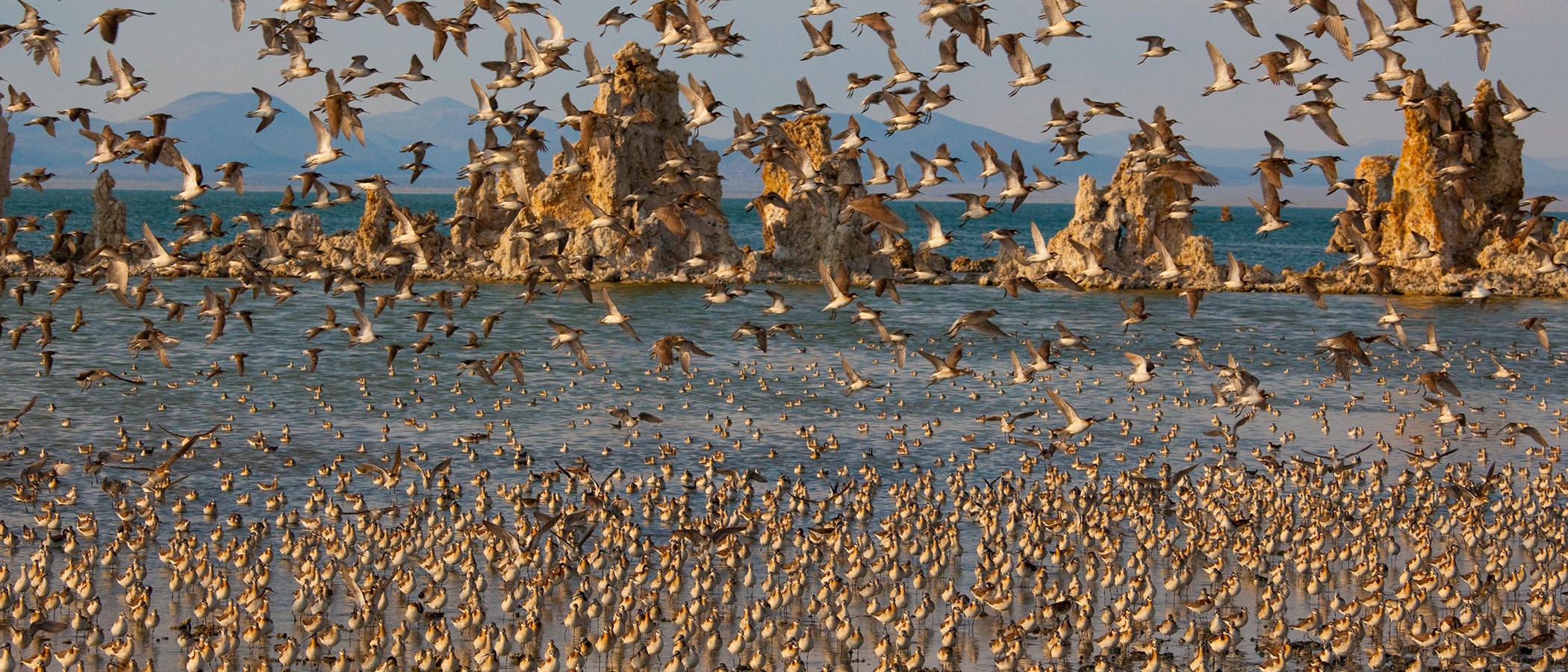
Credit: www.monolake.org
Urban And Coastal Bird Habitats
Birds live in many places, from busy cities to quiet coasts. Urban habitats have parks and buildings, while coastal areas offer beaches and wetlands for birds to thrive. Each habitat provides food, shelter, and nesting spots.
Birds have a remarkable ability to adapt to various habitats, and urban and coastal areas are no exception. These environments, often bustling with human activity, offer unique living conditions and resources for a diverse range of bird species. Understanding how birds thrive in these settings can offer insights into the resilience and adaptability of nature.City Parks And Gardens
City parks and gardens serve as green havens amidst urban landscapes. These spaces provide essential resources like food, shelter, and nesting sites for birds. You might spot species like the house sparrow, blackbird, or even the colorful blue jay enjoying the refuge of these urban oases. Birds in parks often benefit from the diverse plant life and water features, which attract insects and offer drinking water. Have you ever noticed the early morning chorus of birdsong in your local park? It’s a testament to the vital role these spaces play in supporting urban bird life.Cliffside And Rocky Shores
Cliffside and rocky shores are dramatic landscapes where many coastal birds find their homes. These areas offer nesting sites that are safe from many predators. Seabirds like puffins and gulls are commonly seen nesting on the precarious edges of cliffs. The constant winds and waves shape these habitats, providing a dynamic environment rich in marine life. Have you ever watched a flock of seagulls soaring effortlessly above the crashing waves? It’s a reminder of the harmony between birds and their coastal homes.Mangroves And Beaches
Mangroves and beaches are crucial habitats for numerous bird species. These areas offer a rich array of food sources, from small fish to crustaceans, supporting both resident and migratory birds. Herons, pelicans, and sandpipers are frequent visitors to these sandy and muddy shores. Mangroves, with their complex root systems, provide excellent nesting and roosting sites. Next time you walk along a beach, pause to observe the diverse birdlife thriving in this delicate ecosystem. How do these birds adapt to the changing tides and human presence? It’s a fascinating dance of survival and coexistence.Frequently Asked Questions
What Types Of Habitats Do Birds Prefer?
Birds prefer diverse habitats like forests, wetlands, grasslands, and urban areas. Each species adapts to specific environments that provide food, shelter, and nesting sites.
How Do Bird Habitats Affect Their Behavior?
Bird habitats influence feeding, mating, and migration behaviors. Birds adapt their activities to available resources and environmental conditions in their habitats.
Why Are Wetlands Important Habitats For Birds?
Wetlands offer abundant food and nesting areas. They support many bird species, especially waterfowl and migratory birds, making them vital for bird survival.
Can Birds Live In Urban Habitats?
Yes, many birds thrive in urban areas by exploiting parks, gardens, and buildings. Urban habitats offer food and nesting sites but also pose challenges like pollution.
Conclusion
Birds live in many different places. From forests to wetlands, each habitat suits different birds. They find food, shelter, and safety in these areas. Protecting bird habitats helps keep birds safe and healthy. Watching birds can teach us about nature and its balance.
Every bird’s home is special and worth caring for. Understanding their habitats helps us protect them better. Nature’s variety makes bird life rich and exciting. Keep learning about birds and their homes. It’s a simple way to love and protect our world.