

Imagine a world where the melodies of birdsong fill the air, each note painting a vibrant picture of the natural world. Have you ever wondered where these winged wonders reside when they’re not serenading the skies?
Understanding the usual habitats of birds is like unlocking a secret map of nature’s most exquisite neighborhoods. Each type of bird has its own preferred environment, just like you have your favorite spot at home. Whether it’s the bustling city parks, serene wetlands, or dense forests, birds choose habitats that offer them the best chance of survival and comfort.
By the end of this article, you’ll not only know where to find these feathered friends but also appreciate the delicate balance they maintain in their chosen homes. Ready to uncover the secrets of where birds live their lives? Let’s delve into the fascinating world of avian habitats.
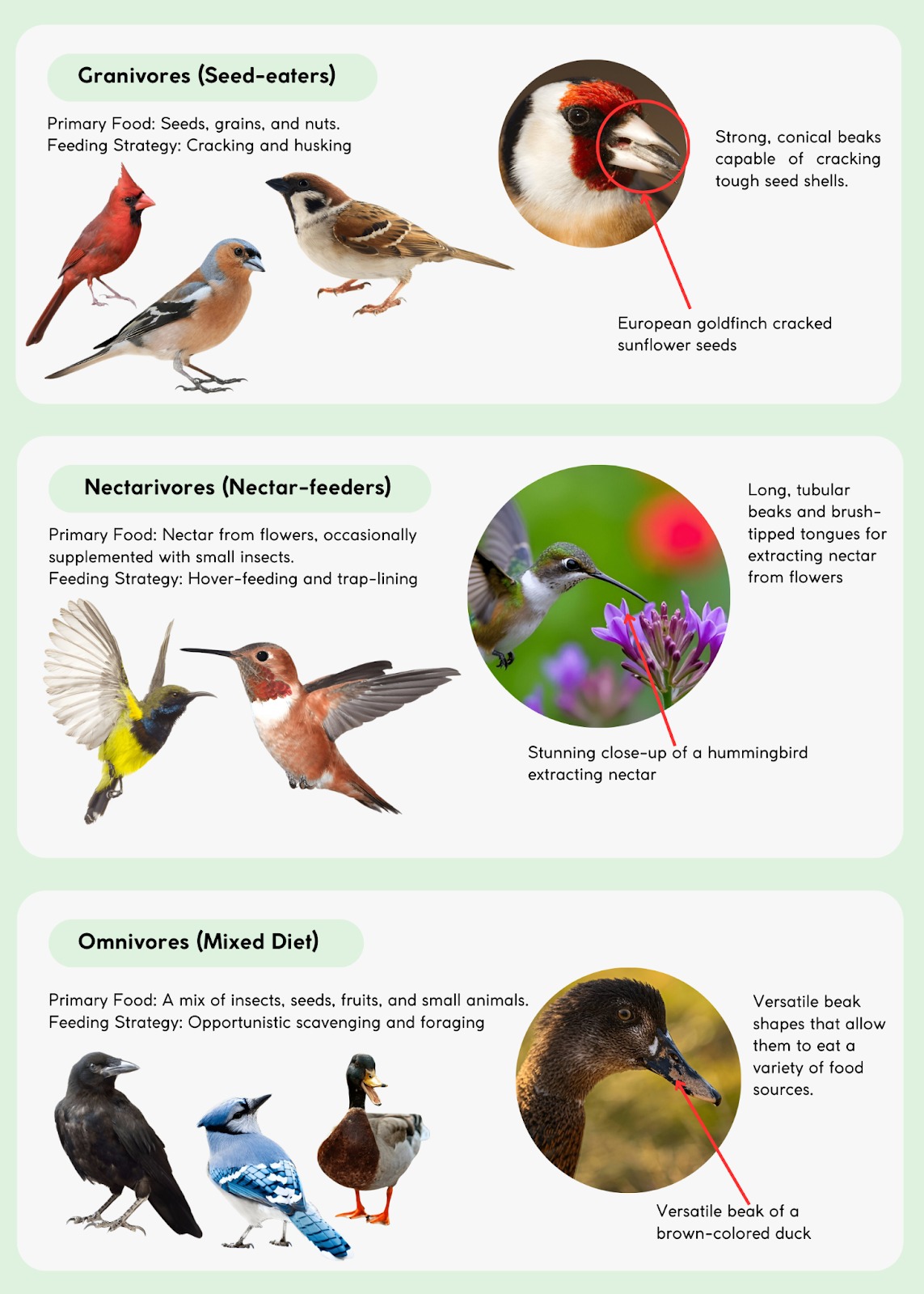
Credit: animal-pedia.org
Forests And Woodlands
Forests and woodlands offer rich homes for many bird species. These habitats provide food, shelter, and nesting sites. Birds here have adapted to live among trees and plants. Each type of forest supports different bird communities.
Tropical Rainforests
Tropical rainforests are warm and wet all year. They have many tall trees and thick plants. Birds like toucans, parrots, and hornbills thrive here. The dense leaves offer great cover from predators. Fruit, insects, and nectar are abundant food sources. Many birds build nests high in the canopy.
Temperate Forests
Temperate forests have four seasons with cold winters and warm summers. Trees like oaks, maples, and pines grow here. Birds such as woodpeckers, owls, and thrushes live in these forests. They often use tree holes or branches for nests. Seasonal changes affect food availability, so birds may migrate.
Boreal Forests
Boreal forests, also called taiga, are cold and snowy most of the year. Conifer trees like spruce and fir dominate this area. Birds like chickadees, crossbills, and grouse are common. These birds survive harsh winters and use thick trees for protection. Many boreal birds breed in the short summer season.
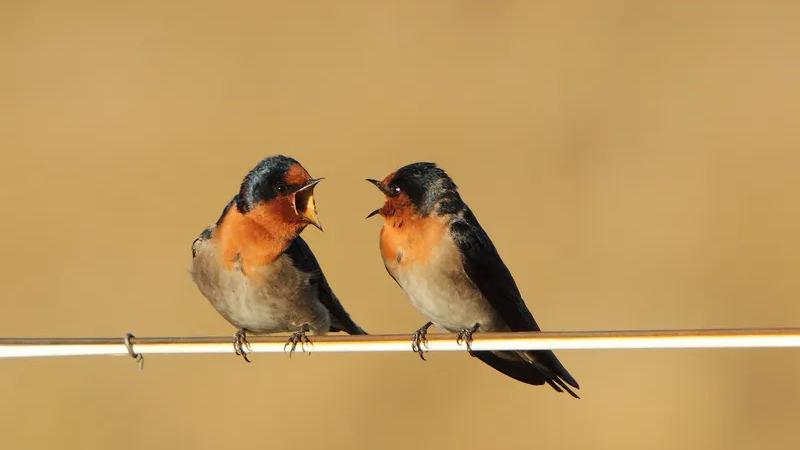
Credit: animal-pedia.org
Wetlands And Water Bodies
Wetlands and water bodies serve as vital habitats for a wide variety of bird species. These environments provide food, shelter, and breeding grounds that are essential for birds’ survival. Understanding these habitats helps you appreciate the delicate balance nature maintains and how you can help protect these areas.
Marshes And Swamps
Marshes and swamps are rich in plant life, offering birds plenty of food and hiding spots. Birds like herons and bitterns thrive here, using the dense vegetation to hunt fish and insects. Have you ever noticed how quietly these birds move through the reeds, almost like they’re part of the landscape?
These wetlands also act as natural filters, cleaning the water and supporting a healthy ecosystem. If you visit a marsh or swamp, take a moment to watch the variety of birds—each species plays a unique role in this watery world.
Lakes And Rivers
Lakes and rivers attract birds that depend on open water for fishing and nesting. Ducks, geese, and kingfishers are common visitors, each with distinct behaviors you can observe. For example, kingfishers dive swiftly into the water to catch small fish, showing impressive skill and speed.
These water bodies often form migration stopovers, where birds rest and refuel during long journeys. Next time you’re near a lake or river, look for these transient visitors and consider how this habitat supports their incredible journeys.
Coastal Estuaries
Coastal estuaries blend fresh and saltwater, creating nutrient-rich environments that attract diverse bird populations. Shorebirds such as sandpipers and plovers feed on the abundant invertebrates found in mudflats and tidal pools. Watching them probe the wet sand can teach you about the intricate food chains supporting these birds.
Estuaries also serve as breeding grounds and nurseries for many species, making them critical to bird populations. How might changes in coastal areas affect these habitats and the birds that depend on them? Observing estuaries can deepen your understanding of environmental impacts on birdlife.
Grasslands And Savannas
Grasslands and savannas cover vast areas of the Earth. They are home to many bird species. These habitats offer open spaces with grasses and few trees. Birds here adapt to wide views and scarce cover. They find food, shelter, and nesting spots suited to these conditions.
Open Plains
Open plains are large flat areas with short grasses. Birds like larks and pipits thrive here. These birds use the open space to spot predators. They build nests on the ground hidden by grass. Many birds hunt insects and small animals across the plains.
Open plains also attract migratory birds. They rest and feed during long journeys. The wide views help birds see danger from afar. This habitat supports birds that prefer open skies and easy takeoff.
Savanna Ecosystems
Savannas mix grasses with scattered trees and shrubs. This habitat suits birds needing both open areas and trees. Birds such as hornbills and weaver birds live here. They use trees for nesting and protection.
Savannas have seasonal rains, changing food availability. Birds adapt by moving or changing diets. They eat seeds, insects, and small animals found in this environment. The mix of trees and grass offers diverse nesting choices.

Credit: www.wildlifenomads.com
Urban And Human-made Areas
Urban and human-made areas have become surprising havens for many bird species. These environments, shaped by people, offer unique resources and challenges that birds have adapted to over time. Understanding these habitats helps you appreciate the birds you see in your daily surroundings and can guide you in making your space more bird-friendly.
City Parks And Gardens
City parks and gardens are green islands within concrete jungles. Birds find food, shelter, and nesting spots among the trees and shrubs planted there. You might notice robins hopping on lawns or sparrows flitting through flowerbeds, taking advantage of these safe spaces.
Have you ever stopped to watch how birds use bird feeders or water fountains in parks? These features often attract a variety of species, creating a lively scene. Adding native plants to your garden can invite more local birds, turning your backyard into a mini sanctuary.
Agricultural Lands
Agricultural lands offer a different kind of habitat for birds. Fields of crops, hedgerows, and barns provide food and shelter for species that thrive near human activity. Birds like swallows and pigeons are common here, feeding on seeds, insects, and leftovers.
Think about the last time you passed by a farm—did you notice birds perched on fence posts or darting across open fields? These areas can support birds if farming practices allow some natural vegetation to remain. You can support bird-friendly agriculture by choosing products from farms that protect wildlife habitats.
Frequently Asked Questions
What Are The Most Common Bird Habitats?
Birds commonly live in forests, wetlands, grasslands, deserts, and urban areas. Each habitat offers food and shelter suited to different species.
How Do Birds Choose Their Habitats?
Birds select habitats based on food availability, nesting sites, safety from predators, and climate conditions. These factors ensure survival and reproduction.
Why Are Wetlands Important For Birds?
Wetlands provide abundant food, nesting areas, and water. They support diverse bird species, especially waterfowl and migratory birds.
Can Birds Adapt To Urban Habitats?
Yes, many birds thrive in cities by nesting in buildings and feeding on human scraps. Urban areas offer unique survival opportunities.
Conclusion
Birds live in many different places around the world. They choose habitats that suit their needs for food and safety. Forests, wetlands, deserts, and cities all provide homes for birds. Each habitat offers unique features that help birds survive. Knowing where birds live helps us protect them better.
Watching birds in their homes can be fun and educational. Nature depends on birds, and so do we. Protecting their habitats means protecting life on Earth.