

You love your feathered friend and want only the best for them. You enjoy watching them play and explore, and you know that toys are essential for their mental and physical well-being.
But when it comes to choosing the right materials for those toys, you might find yourself asking, “Is yarn safe for bird toys? ” This is a crucial question, and the answer isn’t as straightforward as you might think. Safety is your top priority, and understanding what materials are safe can be the difference between a happy, healthy bird and unexpected trips to the vet.
Dive into this article to uncover the truth about yarn and its safety for your beloved bird, ensuring you make informed, confident choices that keep your pet’s playtime both fun and safe. Your bird’s happiness is just a few scrolls away!

Credit: www.northernparrots.com
Yarn Types For Bird Toys
Choosing the right yarn for bird toys is important for your pet’s health and fun. Birds like to chew and pull on yarn, so safety matters. Not all yarn types are safe or suitable. Understanding yarn materials helps you pick the best option for your feathered friend.
Natural Vs Synthetic Fibers
Natural yarn comes from plants or animals. Examples include cotton, wool, and bamboo. These fibers are soft and often safe for birds. They break down easily if swallowed, reducing choking risks.
Synthetic yarn is made from plastic or chemicals. Acrylic and nylon are common types. These fibers can be strong but may harm birds if ingested. They do not break down in the bird’s stomach and can cause blockages.
Bird-safe Yarn Materials
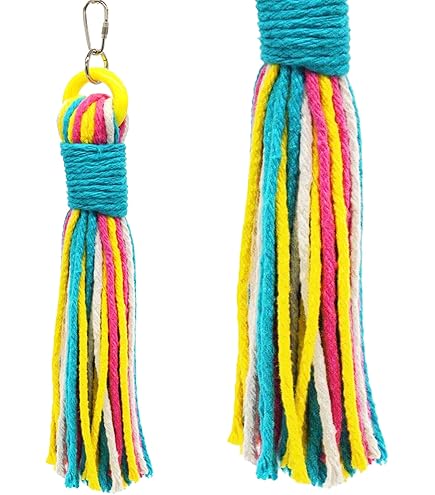
Choose yarn made from 100% cotton or hemp for bird toys. These materials are non-toxic and gentle on bird beaks. Avoid yarn with dyes or chemical treatments that can be harmful.
- Organic cotton yarn – soft and safe
- Hemp yarn – durable and natural
- Unbleached wool – natural but check for allergies
Always check the yarn label for any added chemicals. Keep yarn clean and dry to prevent mold. Regularly inspect toys for wear to keep your bird safe.
Credit: www.amazon.com
Potential Risks Of Yarn
Yarn may seem like a fun and colorful option for bird toys. Birds enjoy shredding and chewing on soft materials. Yet, yarn carries some risks that bird owners should know. These dangers can affect your bird’s safety and health.
Choking And Entanglement Hazards
Yarn strands can easily tangle around a bird’s feet, neck, or wings. Birds may get trapped and panic. This can cause injury or restrict blood flow.
Loose yarn fibers can break off and become choking hazards. Small pieces may block the bird’s throat or airway. This can lead to breathing problems or even suffocation.
Toxicity Concerns
Some yarns contain dyes or chemicals harmful to birds. Birds may ingest these toxins while chewing. This can cause stomach upset or poisoning symptoms.
Avoid yarn made from synthetic fibers or treated with chemicals. Natural, untreated yarns are safer but still require caution. Always check the material before offering it to your bird.
Safe Yarn Usage Tips
Using yarn for bird toys can be fun and creative, but safety must come first. Knowing how to pick the right yarn and how to build toys carefully can protect your feathered friends from harm. Let’s look at some practical tips that make yarn playtime safe and enjoyable for your birds.
Choosing The Right Yarn
Not all yarn is safe for birds. Avoid yarns made from synthetic fibers like acrylic or polyester, as these can be toxic if ingested. Instead, opt for natural fibers such as 100% cotton or wool, which are softer and less likely to cause health issues.
Check the yarn label carefully. Make sure it’s free from dyes or chemicals that might harm your bird’s delicate system. If you’re unsure, test a small piece by letting your bird interact with it under supervision.
Think about the yarn thickness too. Thin yarn can easily tangle around a bird’s feet or beak, leading to injury. Choose a medium thickness that’s easy to manipulate but not so thin that it poses a choking hazard.
Proper Toy Construction
How you build the toy matters as much as the yarn you use. Make sure all knots are tight and secure to prevent your bird from pulling loose strands. Loose ends can be dangerous if swallowed or if they wrap around toes or wings.
Include sturdy materials like untreated wood, leather, or metal parts to balance the softness of yarn. This helps create a durable toy that won’t fall apart quickly, reducing the risk of your bird ingesting yarn bits.
Regularly inspect the toys for wear and tear. Birds are playful and can destroy toys faster than you expect. If you see fraying or unraveling yarn, replace or repair the toy promptly to keep your bird safe.
Alternative Materials For Bird Toys
Finding the right materials for bird toys is crucial to keeping your feathered friend safe and entertained. Yarn might seem like an easy choice, but it can pose risks such as tangling or ingestion. Luckily, there are several alternative materials that offer both safety and fun, giving you peace of mind while enriching your bird’s environment.
Safe Natural Options
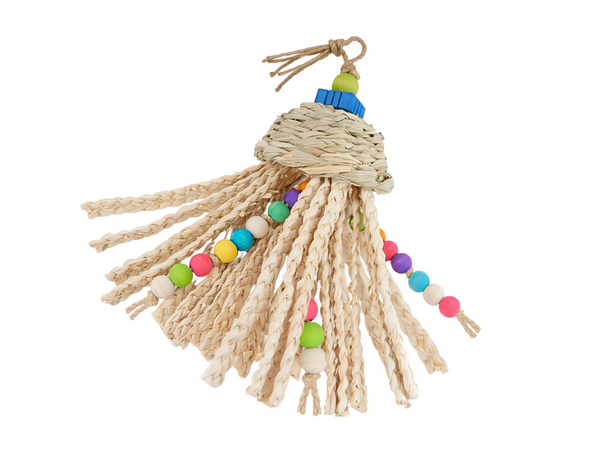
Natural materials often work best because they are non-toxic and mimic what birds encounter in the wild. Consider using untreated wood, coconut shells, or seagrass. These materials are sturdy enough for chewing and shredding without harmful chemicals.
Hemp and cotton ropes are excellent choices too. They are soft on your bird’s beak and easy to clean. Plus, they won’t unravel dangerously like some yarns can.
Have you noticed how your bird reacts to different textures? Introducing a mix of natural fibers can keep their curiosity alive and prevent boredom.
Durable Synthetic Choices
If you prefer synthetic materials, focus on those that are non-toxic and durable. Polypropylene and nylon are often used in commercial bird toys because they resist wear and don’t splinter.
Look for synthetic ropes specifically labeled as bird-safe. These materials provide a strong grip for climbing and swinging without fraying easily.
Remember, not all plastics are created equal. Avoid anything with BPA or phthalates, as these can be harmful when chewed.
What’s your bird’s play style? Matching the material to their activity level can make all the difference in toy longevity and safety.
Credit: janglybirdtoys.com
Frequently Asked Questions
Is Yarn Safe For All Bird Species?
Yarn safety depends on the bird species and yarn type. Natural fibers like cotton are safer. Avoid synthetic yarns that can harm birds if ingested or entangled. Always supervise birds when using yarn toys.
Can Birds Ingest Yarn Without Harm?
Birds may ingest yarn accidentally, risking digestive blockages. Natural, non-toxic yarns are less dangerous but still pose risks. Monitor your bird closely and remove any frayed yarn immediately.
What Types Of Yarn Are Best For Bird Toys?
Choose 100% cotton or wool yarns for bird toys. These natural fibers are less toxic and safer if ingested. Avoid acrylic or synthetic yarns that can cause health issues.
How To Prevent Yarn Hazards In Bird Toys?
Secure yarn ends tightly to prevent fraying and ingestion. Regularly inspect toys for damage and replace worn yarn. Supervised playtime reduces risks of entanglement or swallowing.
Conclusion
Yarn can be safe for bird toys if chosen carefully. Natural fibers like cotton work best. Avoid synthetic yarns that can harm birds. Always check for loose threads and small parts. Supervise your bird while it plays with yarn toys.
Clean the toys regularly to keep them safe. Safe toys help keep your bird happy and healthy. Choose yarn wisely and watch your feathered friend enjoy!