

Are you a proud bird owner looking to give your feathered friend the best care possible? You’re probably aware of the importance of a balanced diet for your avian companion.
But when it comes to supplements, like Vitamin C, you might wonder if they’re safe for your bird. This little vitamin is known for its benefits in humans, but what about birds? Are you unwittingly exposing your beloved pet to unnecessary risks, or could this vitamin be the missing piece for their optimal health?
Stick with us as we dive into the world of Vitamin C and unveil the truth about its safety and benefits for your feathered friend. You won’t want to miss this!
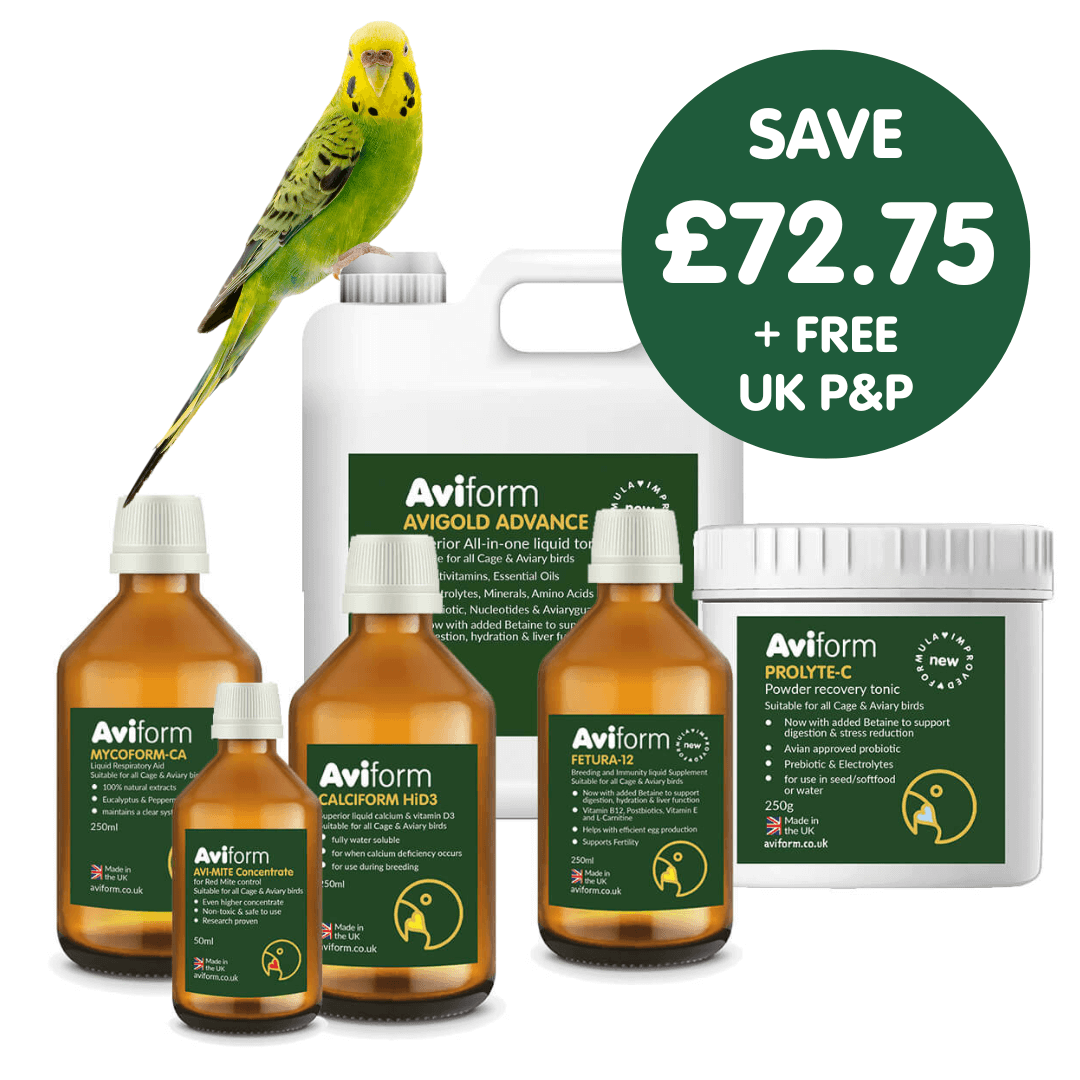
Credit: www.aviform.co.uk
Role Of Vitamin C In Bird Health
Vitamin C plays a vital role in maintaining bird health. It supports several body functions that keep birds strong and active. Birds naturally produce vitamin C, but some species need extra amounts from their diet. This nutrient helps birds fight diseases, maintain their feathers, and manage stress effectively. Understanding its role can help bird owners provide better care and improve their pets’ quality of life.
Benefits For Immune System
Vitamin C boosts the immune system by helping birds fight infections. It supports white blood cells that defend against bacteria and viruses. Birds with enough vitamin C recover faster from illnesses. It also reduces inflammation, which helps in healing wounds. A strong immune system means birds stay healthy and active longer.
Impact On Feather Quality
Healthy feathers show a bird’s overall well-being. Vitamin C helps produce collagen, a protein needed for feather growth. It keeps feathers shiny and strong, preventing breakage. Birds with good feather quality look vibrant and can fly better. Vitamin C also helps repair damaged feathers faster.
Vitamin C And Stress Reduction
Birds often face stress from environment changes or illness. Vitamin C helps lower stress hormone levels in the body. It supports the adrenal glands, which control stress responses. Less stress means birds stay calm and behave normally. This nutrient helps birds adapt to new surroundings and recover from stress quicker.

Credit: alexsbirdkingdom.com
Sources Of Vitamin C For Birds
Vitamin C is essential for birds, just as it is for humans. Finding the right sources can help you keep your feathered friends healthy and active. Let’s look at where birds can get their Vitamin C naturally and through supplements, and how to keep their intake safe.
Natural Foods Rich In Vitamin C
Many fruits and vegetables are packed with Vitamin C that birds can enjoy. Citrus fruits like oranges and lemons are classic choices, but kiwi, strawberries, and papaya offer even higher levels. Leafy greens such as spinach and kale also provide a good amount.
When I started feeding my parrot fresh bell peppers, I noticed she became more playful and vibrant. Bell peppers have a surprisingly high Vitamin C content and are safe for most birds. You can also try blueberries and tomatoes, but always wash the produce thoroughly to remove pesticides.
Supplements And Fortified Diets
If your bird doesn’t eat fresh fruits or veggies regularly, supplements can fill the gap. Vitamin C drops or powders can be added to water or food, but it’s important to choose products made specifically for birds. Human supplements often contain ingredients that might harm birds.
Commercial bird pellets sometimes have Vitamin C added to them, making it easier for you to ensure your pet gets enough. However, check the label to confirm this. Supplements are helpful, but they should not replace fresh foods entirely.
Safe Dosage Levels
Too much of a good thing can be harmful, even with Vitamin C. Birds generally produce some Vitamin C on their own, except for certain species like parrots that need more from their diet. Consult your avian vet to find the right dosage for your bird’s size and species.
As a rule of thumb, avoid high doses that could upset your bird’s stomach or cause kidney problems. Observing your bird’s behavior after introducing Vitamin C sources can help you spot any issues early. Have you checked your bird’s diet for Vitamin C lately?
Potential Risks Of Excess Vitamin C
Vitamin C is essential for birds, but too much can cause problems. Excess vitamin C might harm their health and well-being. Birds have different needs than humans, so care is needed when supplementing their diet. Understanding the risks helps keep birds safe and healthy.
Symptoms Of Overdose
Birds with too much vitamin C may show signs of distress. Common symptoms include:
- Diarrhea or loose stools
- Vomiting or regurgitation
- Loss of appetite
- Lethargy or weakness
- Swollen or irritated skin
Noticing these signs early can prevent serious health issues.
Long-term Health Effects
Chronic excess vitamin C can damage organs over time. The kidneys may suffer from high vitamin C levels. This can lead to kidney stones or failure. Liver stress is also possible. Birds might develop digestive tract irritation. Long-term overdose weakens their immune system too.
Avoiding Toxicity
Provide vitamin C in safe amounts only. Use supplements recommended by avian vets. Avoid giving multiple vitamin products at once. Offer a balanced diet with natural vitamin C sources. Fresh fruits and vegetables are good options. Monitor your bird’s health regularly for changes. Proper care helps prevent vitamin C toxicity.
Tips For Safely Adding Vitamin C
Adding vitamin C to your bird’s diet can boost their immune system and support overall health. However, it’s important to do this safely to avoid any adverse effects. Here are some practical tips to help you add vitamin C in a way that benefits your feathered friend without causing harm.
Monitoring Bird’s Response
Start by watching how your bird reacts after introducing vitamin C. Look for changes in energy levels, appetite, or droppings. If you notice anything unusual like lethargy or digestive upset, it’s a sign to pause or adjust the dosage.
Keep a simple daily journal of your bird’s behavior and physical condition. This makes it easier to spot patterns and decide if the vitamin C is helping or causing issues. Have you ever caught subtle signs that indicated your bird needed a change in their diet?
Consulting Avian Veterinarians
Your vet is the best resource for advice on adding supplements like vitamin C. They can recommend the right dose and form based on your bird’s species, age, and health status. Never guess or rely solely on online information when it comes to your bird’s health.
Ask your vet about natural sources of vitamin C you can offer, such as fresh fruits and veggies. They can also help you avoid harmful interactions with other supplements or medications. Isn’t it reassuring to have expert guidance tailored specifically to your pet?
Adjusting Diet Based On Species
Different birds have different vitamin C needs. For example, parrots often benefit from a bit more vitamin C compared to finches. Research your bird’s species or ask your vet to understand their specific requirements.
Include vitamin C-rich foods like bell peppers, kiwi, or oranges, but introduce these gradually. Not all birds will accept new foods right away, so patience is key. What vitamin C sources does your bird enjoy most?

Credit: www.kwikpets.com
Frequently Asked Questions
Is Vitamin C Safe For All Bird Species?
Yes, vitamin C is generally safe for most bird species. It supports immune health and reduces stress. However, always consult an avian vet before supplementation to avoid overdosing or species-specific issues.
How Much Vitamin C Do Birds Need Daily?
Birds usually produce enough vitamin C naturally. Some species under stress or illness may benefit from supplements. Dosage depends on bird size and health, so seek veterinary advice for accurate amounts.
Can Vitamin C Prevent Bird Diseases?
Vitamin C boosts the immune system, helping birds resist infections and recover faster. It is not a cure but a supportive nutrient to maintain overall bird health and reduce disease risks.
What Are Natural Sources Of Vitamin C For Birds?
Fruits like oranges, kiwi, and berries are rich in vitamin C. Fresh vegetables such as bell peppers and spinach also provide this nutrient. Incorporating these into a bird’s diet is beneficial and safe.
Conclusion
Vitamin C can be safe and helpful for many birds. It supports their immune system and overall health. Giving the right amount is important to avoid problems. Always check with a vet before adding supplements. Birds get vitamin C from fresh fruits and vegetables naturally.
A balanced diet keeps birds strong and happy. Careful attention helps your bird live a long, healthy life. Keep learning about your bird’s needs to give the best care. Simple steps make a big difference for your feathered friend.