

Are you passionate about bird photography and wondering if the Pentax 300 4 lens is the right fit for your adventures? You might find yourself asking, “Is it long enough to capture those stunning, detailed shots of your feathered friends?”
You’re not alone. Many photographers like you are in search of that perfect balance between quality and reach. In this blog post, we’ll delve into the capabilities of the Pentax 300 4 lens, exploring whether it meets the demands of bird photography.
Get ready to uncover the answers you need to elevate your birding game and capture those breathtaking images you’ve always dreamed of. Stay tuned, because what you discover next might just transform your photography experience.

Credit: www.reddit.com
Pentax 300mm F/4 Specs
The Pentax 300mm f/4 lens is a classic choice for photographers. It offers a good balance of reach and image quality. Understanding its specifications helps decide if it suits bird photography needs. This section breaks down the key specs of this lens.
Build And Design
The lens has a solid metal body. It feels sturdy and well-made in hand. Its weight is moderate, making it easier to carry for long shoots. The size is compact for a 300mm telephoto. The focus ring is smooth and responsive. Weather sealing protects the lens in tough conditions. The lens mount is metal, ensuring durability.
Optical Features
The Pentax 300mm f/4 has excellent glass elements. It uses special coatings to reduce flare and ghosting. The lens produces sharp images with good contrast. Color rendition is natural and pleasing. It has a fixed maximum aperture of f/4, allowing decent light intake. The minimum focus distance is around 1.8 meters, useful for closer shots. The lens can produce a soft background blur, helping subjects stand out.
Autofocus Performance
The autofocus system is fast and accurate. It uses a silent motor, which is good for wildlife photography. The lens locks focus quickly on moving birds. Manual focus override is available for fine adjustments. Autofocus performs well even in low light. The focus tracking helps follow flying subjects smoothly. Overall, it supports capturing sharp bird images effectively.
Bird Photography Basics
Bird photography demands patience, precision, and the right equipment. Understanding the basics helps capture stunning images of birds in their natural habitat. It involves choosing the right lens, managing distance, and adapting to fast-moving subjects. Knowing these fundamentals sets the stage for better photos.
Ideal Focal Lengths
Long lenses are preferred for bird photography. They allow close-up shots without disturbing the bird. Focal lengths between 300mm and 600mm work well. A 300mm lens can capture many bird species, especially in open areas. Longer lenses provide more detail but can be heavier and costlier.
Importance Of Reach
Reach means how close your lens can get to the bird without moving. A longer reach helps fill the frame with the bird’s image. It shows fine details like feathers and eyes. Reach matters more than just zoom. A good reach reduces the need to crop the photo later.
Shooting Distance Challenges
Birds often stay far away or move quickly. Getting close is hard without scaring them. Natural cover like bushes or trees can block shots. Lighting also changes with distance. Shooting at a long distance needs steady hands or a tripod to avoid blurry photos.
Pentax 300mm In Action
The Pentax 300mm lens brings a unique mix of reach and clarity to bird photography. It’s a tool that challenges your skills and pushes you to get closer to nature’s most elusive creatures. But how does it perform when you’re actually out in the field, chasing fast wings and fleeting moments?
Image Quality Results
The sharpness you get from the Pentax 300mm is impressive, especially in good lighting. Details in feathers and eye reflections come through clearly, giving your shots a lifelike feel.
Chromatic aberration is minimal, so you won’t see distracting color fringes around your subjects. Plus, the contrast holds up well, even when shooting against bright skies.
Have you noticed how image quality can change with different distances? This lens maintains clarity up close and at its maximum zoom, which means you don’t lose detail when your subject is far away.
Handling Fast-moving Birds
Tracking quick bird movements is where the Pentax 300mm shows its character. Its autofocus is reasonably quick but can struggle with very sudden or erratic flight paths.
That said, the lens’s weight and balance help you hold it steady, reducing fatigue during long sessions. This steadiness allows for smoother panning when birds take off or swoop past you.
Try pairing it with a camera body that has excellent autofocus tracking. You’ll find that together they can capture sharp images of even the most agile birds.
Low Light Performance
Bird photography often happens during early mornings or late afternoons, when light is soft but limited. The Pentax 300mm’s maximum aperture of f/4 lets in a decent amount of light, but it’s not the fastest lens available.
You might need to raise your ISO or use a tripod to avoid blur in dimmer conditions. However, the lens produces clean images with low noise, which helps maintain quality even at higher ISO settings.
Would you consider supplementing this lens with a teleconverter for extra reach? Keep in mind that it may affect your aperture and overall low-light capability.

Credit: iceland-photo-tours.com
Comparing Alternatives
Choosing the right lens for bird photography depends on many factors. The Pentax 300mm f/4 is a solid choice, but some photographers want more reach. Exploring alternatives helps understand what options suit different needs and styles. Consider lens length, image quality, and ease of use before deciding.
Longer Lenses Options
Longer lenses like 400mm, 500mm, or 600mm give more reach. They bring distant birds closer and fill the frame better. These lenses often cost more and weigh more. Some popular models include the Canon 500mm f/4 and Nikon 600mm f/4. For serious birders, longer lenses capture fine details at a distance.
Teleconverters Impact
Teleconverters increase focal length by 1.4x or 2x. A 300mm lens with a 2x teleconverter acts like a 600mm lens. This is a cheaper way to extend reach. Image sharpness may drop slightly, and autofocus can slow down. Teleconverters reduce light, so faster lenses work better with them.
Portability Vs Reach
Longer lenses offer reach but can be bulky and heavy. Carrying a 600mm lens all day tires your arms quickly. The Pentax 300mm f/4 is lighter and easier to handle. It lets you move fast and change positions easily. Balancing reach and portability depends on your shooting style and patience.
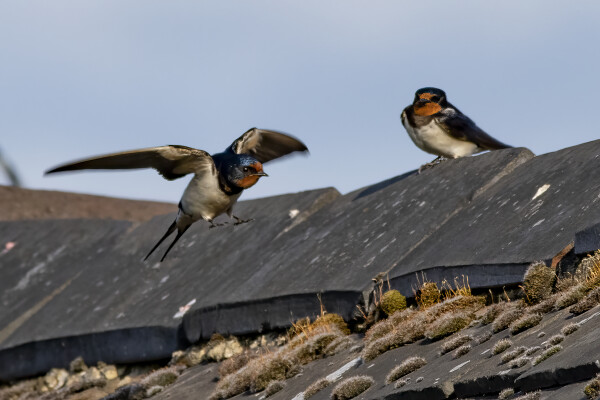
Credit: www.pentaxuser.com
Frequently Asked Questions
Is The Pentax 300mm F/4 Good For Bird Photography?
Yes, the Pentax 300mm f/4 offers sharp images and good reach. It’s suitable for most bird photography situations, especially with fast autofocus and decent image stabilization.
Can The Pentax 300mm Lens Capture Distant Birds Clearly?
The 300mm focal length captures most birds well, but very small or far birds might need a teleconverter for extra reach. It delivers clear, detailed shots at moderate distances.
How Does Pentax 300mm F/4 Compare To Longer Lenses?
The 300mm lens is lighter and more affordable than longer lenses. While it may lack extreme reach, it balances portability with quality, ideal for casual and enthusiast bird photographers.
Is Image Stabilization Effective On The Pentax 300mm F/4?
Yes, Pentax’s in-body image stabilization helps reduce blur on the 300mm lens. This feature is crucial for handheld bird photography in varying light conditions.
Conclusion
The Pentax 300mm f/4 lens offers a good reach for many bird shots. It lets you capture birds without getting too close. Some small or distant birds may need longer lenses. Still, this lens works well for beginners and hobbyists.
It is light and easy to carry in the field. You can get sharp, clear pictures with it. Think about the type of birds and your shooting style. This lens can be a solid choice for bird photography. Simple, effective, and ready for outdoor adventures.