
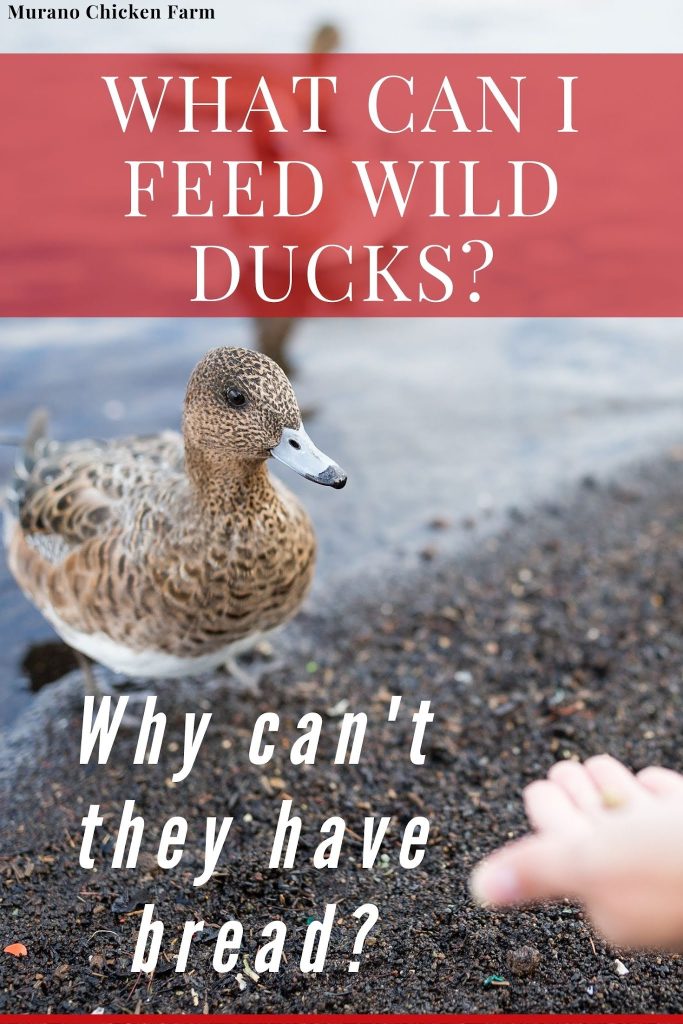
Have you ever tossed a piece of bread to a hungry bird and wondered if it’s really safe? Feeding birds bread is something many people do without thinking twice.
But what if this simple act could actually harm the birds you want to help? Understanding the truth behind feeding bread to birds can make a big difference in their health and your connection with nature. Keep reading to find out what you need to know before offering that next slice.
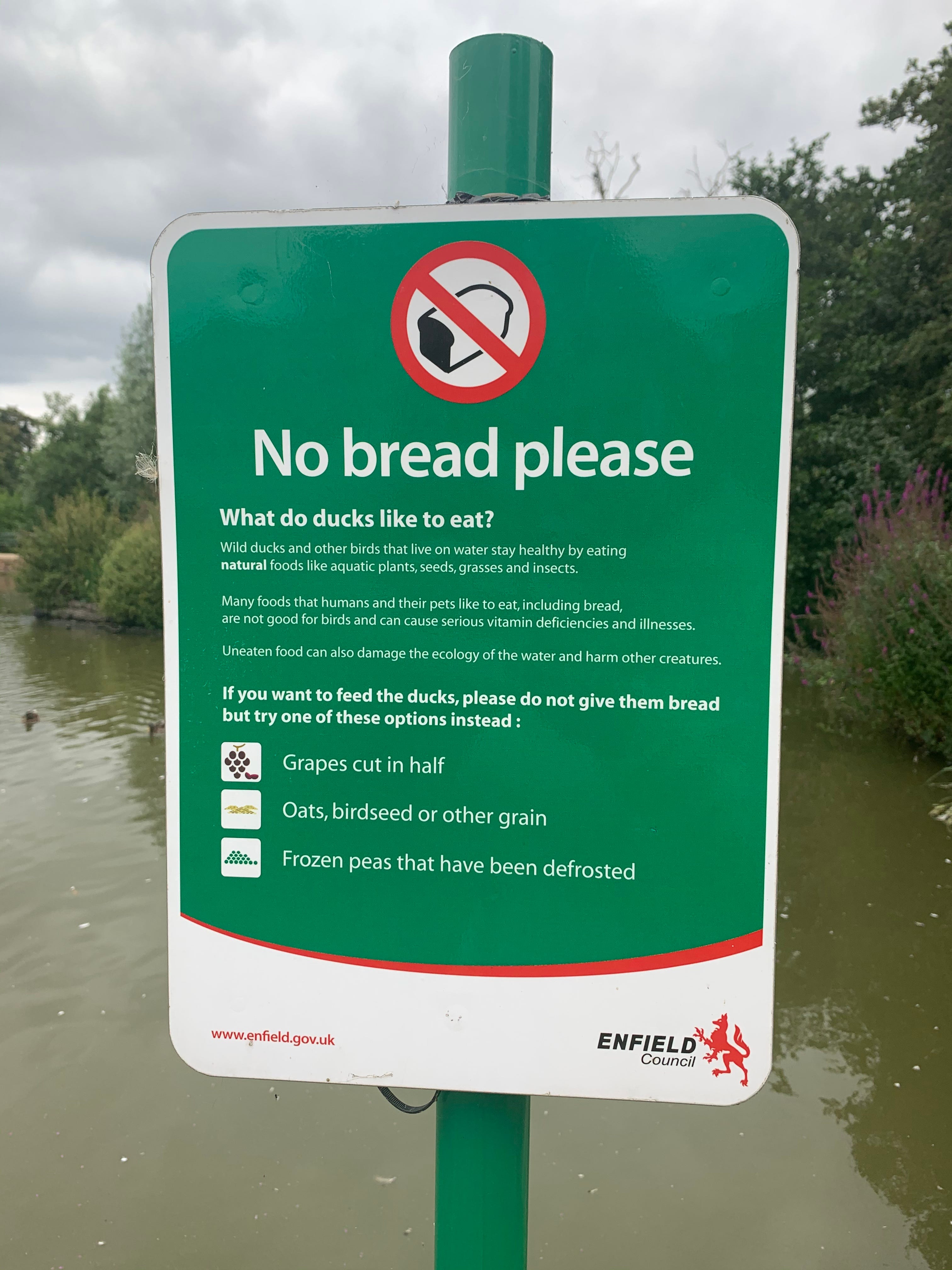
Credit: shamarm.medium.com
Why Bread Is Harmful
Bread might seem like a harmless snack to toss to birds, but it actually causes several problems. It lacks the essential nutrients birds need to stay healthy and can lead to serious health issues. Understanding why bread is harmful helps you make better choices for feeding wildlife.
Nutritional Deficiencies
Bread is mostly made of simple carbohydrates and contains very little protein, fat, or vitamins. Birds need a balanced diet with seeds, insects, and fruits to get the nutrients that bread can’t provide.
Feeding bread regularly can fill their stomachs but leave them starving for real nutrition. Imagine if you ate only bread every day—how long do you think you’d feel energetic or healthy?
Over time, this lack of proper nutrition weakens birds and affects their growth and ability to reproduce. If you want to help birds thrive, focus on offering natural, nutrient-rich foods instead.
Health Risks For Birds
Bread can cause physical problems for birds, such as bloating and a condition called “angel wing,” which deforms their wings and stops them from flying properly. I’ve seen ducks struggle after eating too much bread, and it’s heartbreaking to watch.
Leftover bread also pollutes water and attracts harmful bacteria, leading to diseases among bird populations. This not only hurts the birds you feed but also the entire ecosystem around them.
So ask yourself: is feeding bread really helping birds, or could it be causing them harm? Choosing safer, healthier foods can make a real difference in their well-being.

Credit: aussieanimals.com
Common Misconceptions About Bread
Many people assume feeding bread to birds is harmless or even helpful. But these beliefs often come from misunderstandings about what bread actually does to birds. Separating fact from fiction helps you make better choices when you want to feed wildlife responsibly.
Birds Can Digest Bread
It’s true that birds can digest bread to some extent. Their digestive systems can break down the carbohydrates and proteins found in bread.
However, digesting bread doesn’t mean it’s a healthy or suitable food. Bread is mostly empty calories and lacks essential nutrients birds need to stay strong and active. Imagine eating only white bread every day—would you feel energized or healthy?
Bread Is A Good Food Source
Many people believe bread is a good and convenient food source for birds. It’s easy to share and often available in large quantities.
But bread offers little nutritional value and can actually harm birds if given regularly. It can fill their stomachs, leaving less room for nutrient-rich foods like seeds, insects, and berries. Have you ever noticed birds crowding around crumbs but appearing lethargic or unhealthy afterward?
- Bread can cause malnutrition in birds over time.
- Feeding bread can lead to water pollution in ponds and lakes where birds gather.
- Stale or moldy bread may cause illness in wild birds.
Instead of bread, try offering birds safer options like unsalted seeds, nuts, or fresh fruits. Your choices can support their health and encourage natural foraging habits.
Better Alternatives To Bread
Bread might seem like an easy choice to feed birds, but it lacks the nutrition they truly need. Offering better alternatives not only supports their health but also encourages natural foraging behaviors. You can provide foods that are both safe and beneficial for your feathered visitors.
Seeds And Nuts
Birds thrive on seeds and nuts, which offer essential fats and proteins. Try sunflower seeds, safflower seeds, or peanuts (unsalted and shelled) to attract a variety of species.
Keep in mind that some seeds, like millet, are favorites of smaller birds such as finches. Avoid salted or roasted nuts, as these can harm birds. Have you noticed how certain birds return when you offer their favorite nuts?
Fruits And Vegetables
Fresh fruits and vegetables provide vitamins and hydration for birds. Slices of apple, berries, and grapes are popular choices that many birds enjoy.
Vegetables like peas, corn, and finely chopped carrots also work well. Remember to avoid any fruit seeds or pits that might be toxic. Could adding these colorful treats to your bird feeder improve their health and your bird-watching experience?

Credit: www.wildlifenomads.com
How To Feed Birds Responsibly
Feeding birds can be a joyful and rewarding experience. It helps you connect with nature and supports local wildlife. Feeding birds responsibly protects their health and keeps their environment safe. Careful choices about what and how to feed birds make a big difference. Here are some tips to feed birds in a safe and thoughtful way.
Safe Feeding Practices
- Offer natural foods like seeds, nuts, and fruits instead of bread.
- Avoid processed and salty foods that harm birds’ health.
- Provide fresh water daily for drinking and bathing.
- Keep feeding areas clean to prevent disease spread.
- Feed birds in small amounts to avoid overdependence on humans.
- Use bird feeders that are easy to clean and protect food from pests.
- Place feeders away from predators like cats and squirrels.
Creating A Bird-friendly Environment
Make your garden or yard welcoming for birds by planting native trees and shrubs. These plants offer natural food and shelter. Avoid using pesticides or chemicals that harm birds or their food sources. Provide safe nesting spots such as birdhouses or dense bushes. Keep your surroundings quiet and peaceful to reduce bird stress. This environment supports birds year-round, encouraging them to visit often.
Frequently Asked Questions
Can Birds Eat Bread Safely?
Feeding birds bread is generally not recommended. Bread lacks essential nutrients that birds need. Consuming too much bread can cause malnutrition and other health issues. Instead, offer healthier alternatives like seeds, nuts, or fruits. These options provide the necessary nutrients birds need for their well-being.
What Are The Risks Of Feeding Bread To Birds?
Feeding bread to birds poses several risks. Bread can lead to malnutrition due to its low nutritional value. It can also cause digestive issues and bloating. Additionally, spoiled bread can introduce harmful mold, leading to illness. Consider offering healthier options like seeds or fruits for their diet.
Why Is Bread Not A Good Food For Birds?
Bread is not ideal for birds because it lacks essential nutrients. It can fill their stomachs without providing the necessary vitamins and minerals. Over time, this can lead to malnutrition and poor health. Instead, offer nutrient-rich foods like sunflower seeds or chopped fruits to support their health.
What Happens If Birds Eat Too Much Bread?
If birds consume too much bread, they risk malnutrition. Bread lacks essential nutrients and can lead to digestive issues. It may also cause bloating or fill their stomachs, preventing them from eating nutritious foods. Offering a balanced diet with seeds and fruits is a better choice.
Conclusion
Bread is not the best food for birds. It can harm their health and growth. Birds need natural foods like seeds and fruits. Feeding them bread often may cause illness. Choose safer options to help birds stay strong. Enjoy watching birds by giving them better food.
Care for nature by feeding birds wisely. Small changes can make a big difference. Keep birds happy and healthy with good food.