

Have you ever stopped to wonder if a bird’s nest is more than just a cozy spot to rest? When you think about a bird’s home, what comes to mind—the tree, the sky, or the nest itself?
Understanding whether a bird’s nest is truly part of its habitat can change how you see the natural world around you. You’ll discover surprising facts that connect birds, their nests, and their environment in ways you might never have imagined.
Keep reading, and you’ll gain a fresh perspective on the delicate balance of nature right outside your window.
Credit: aaryanbhalla.medium.com
Birds’ Habitat Components
Understanding birds’ habitat components helps us know how they live and survive. A habitat includes all the natural things a bird needs to thrive. These components work together to support birds in their daily lives.
Birds depend on several key parts of their habitat. Each part plays a role in providing food, shelter, and safety. Knowing these parts helps answer if a bird’s nest is part of its habitat.
Definition Of Habitat
A habitat is the natural environment where a bird lives. It provides space for feeding, breeding, and resting. Habitats vary widely, from forests to wetlands to urban areas.
All living and non-living things in this space affect the bird. This includes plants, animals, water, and climate. The habitat meets the bird’s basic needs for survival.
Elements Within A Habitat
Several elements combine to form a bird’s habitat:
- Food sources:Plants, insects, or small animals that birds eat.
- Water:Access to clean water for drinking and bathing.
- Shelter:Trees, bushes, or rocks that protect birds from predators and weather.
- Nesting sites:Safe spots where birds build nests and raise young.
- Space:Enough area to move, hunt, and avoid danger.
Each element is essential to support bird life. The nest is a key part of the shelter and nesting site elements. It provides a secure place for eggs and chicks.

Credit: www.theguardian.com
Role Of Nests In Bird Life
Nests play a crucial role in the life of birds beyond just being simple structures. They serve as safe spaces where birds lay their eggs, raise their young, and sometimes even rest. Understanding how nests fit into a bird’s habitat helps you appreciate these small marvels of nature more deeply.
Purpose Of Birds’ Nests
Nests provide protection from predators and harsh weather. Without a nest, eggs and chicks would be vulnerable to many dangers. They also offer insulation, keeping eggs warm during cold nights and cool during hot days.
Think about a time you needed a safe spot to focus or rest—nests fulfill that exact need for birds. They are essential for breeding success, ensuring the next generation survives. This makes nests a vital part of a bird’s daily life and survival strategy.
Types Of Nests
Birds build a variety of nests depending on their species and environment. Some common types include:
- Platform nests:Large, flat nests made of sticks, often found in trees or on cliffs.
- Cup nests:Small, cup-shaped nests made of grasses or twigs, usually placed in bushes or trees.
- Cavity nests:Built inside hollow trees or holes in structures for extra protection.
- Ground nests:Simple nests on the ground, often hidden in tall grass or under shrubs.
Each type suits different needs and surroundings. Have you noticed how a robin’s cup nest differs from a woodpecker’s cavity? Observing these differences can change how you see the birds around you and the habitats they depend on.
Nests As Habitat Elements
Nests play a crucial role in a bird’s life beyond just being a place to lay eggs. They are important parts of the bird’s habitat. Birds build nests to protect their young and themselves from weather and predators. Nests offer safety, comfort, and a spot to raise chicks. Understanding nests as habitat elements helps us see how birds interact with their environment.
Nest Location And Environment
Birds choose nest locations carefully. They pick spots that offer shelter and food nearby. Trees, shrubs, cliffs, and even buildings serve as nesting sites. The environment around the nest affects its safety and success. A good location keeps nests hidden from predators and safe from harsh weather.
Some birds build nests high up to avoid ground dangers. Others place nests near water for easy access to food. The choice depends on the species and their needs. Nest location is a key part of their habitat strategy.
Interaction With Surroundings
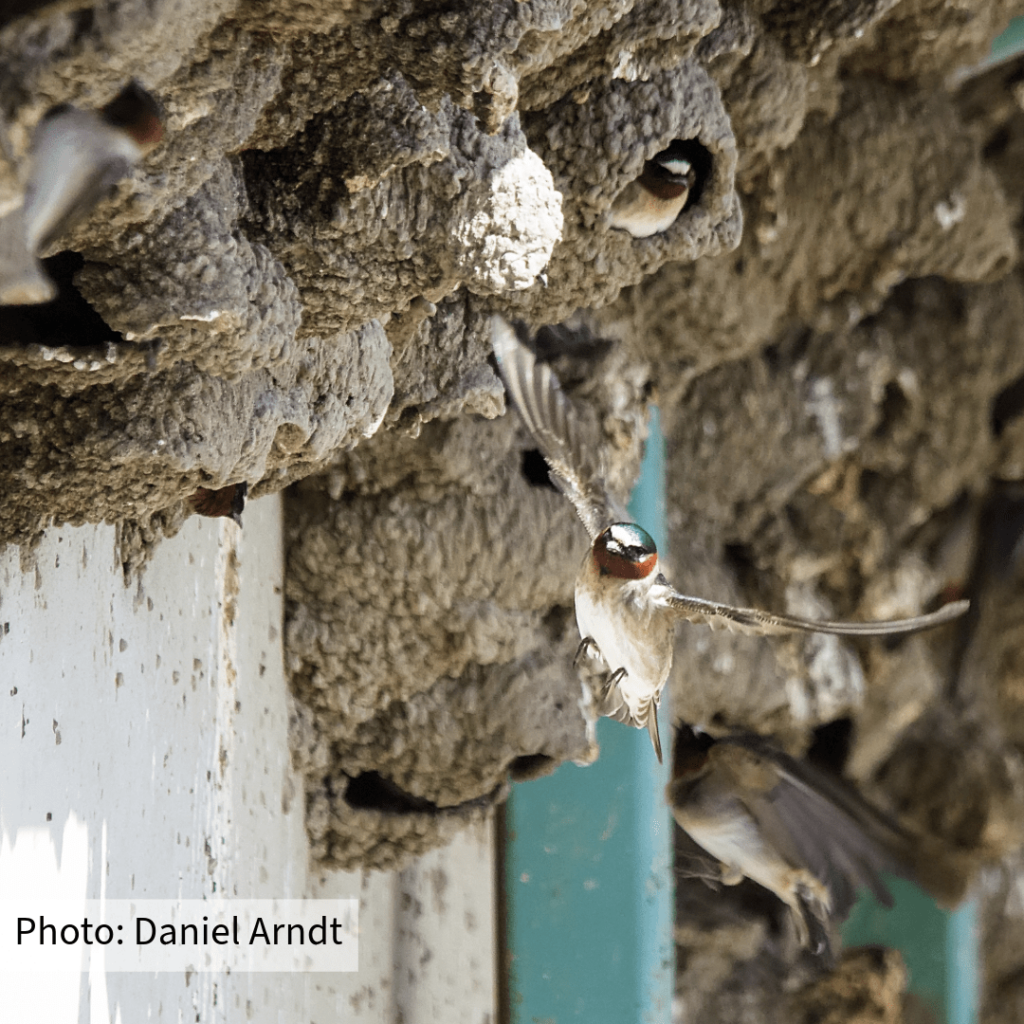
Nests connect birds to their surroundings in many ways. Birds use local materials like twigs, leaves, and mud to build nests. These materials blend the nest into the environment, making it less visible.
Nests also influence the local ecosystem. They provide shelter for other small animals and insects. Birds may return to the same nest or area for years, shaping the habitat structure. This interaction shows nests as living parts of the bird’s home, not just objects.
Credit: learn.birdscanada.org
Impact Of Nest Presence
Nests play a vital role in a bird’s life, offering shelter and a safe place to raise young. They form an essential part of the bird’s habitat, directly influencing survival and reproduction. Presence of nests shows how birds adapt to and use their environment.
The presence of a bird’s nest is a vital component of their habitat, influencing various aspects of their lives. Nests are not just structures; they are central to a bird’s existence, affecting their survival and behavior. Let’s explore how the presence of a nest impacts these fascinating creatures.Protection And Survival
Birds rely on their nests as a safe haven to protect their young from predators and harsh weather. A well-hidden nest can be the difference between life and death for the vulnerable chicks. Have you ever noticed how some birds choose the most inconspicuous spots? This is not random. Their survival instinct drives them to select locations that offer maximum safety. Nests also play a crucial role in temperature regulation. The materials birds choose often help insulate against extreme temperatures. This attention to detail ensures that eggs and chicks are kept at optimal conditions, enhancing their chances of survival.Influence On Bird Behavior
The presence of a nest can significantly influence bird behavior. Birds become more territorial and protective, often displaying aggressive behaviors to ward off intruders. Have you ever seen a bird fiercely defending its territory? That’s the nest’s influence at work. Moreover, nests are central to courtship and mating rituals. Many species use their nest-building skills to attract mates. A meticulously constructed nest can be a sign of a strong and capable partner, increasing the chances of successful mating. By understanding the impact of nest presence, you gain insight into the complex and fascinating world of avian life. Next time you see a nest, think about its role in shaping the lives of the birds around you.Frequently Asked Questions
Is A Bird’s Nest Part Of Its Habitat?
Yes, a bird’s nest is an essential part of its habitat. It provides shelter, protection, and a place to raise young. Nests are often built using materials found within the bird’s environment, making them integral to the habitat’s function and structure.
How Does A Bird’s Nest Support Its Habitat?
A bird’s nest supports its habitat by offering safety for eggs and chicks. It also helps birds regulate temperature and avoid predators. Nests contribute to the ecosystem by recycling natural materials and supporting bird populations, which in turn maintain ecological balance.
Can A Bird’s Nest Be Considered A Microhabitat?
Yes, a bird’s nest is a microhabitat. It creates a small, specialized environment within a larger habitat. This microhabitat provides specific conditions necessary for breeding and nurturing young birds, distinct from the surrounding environment.
Why Is Preserving Bird Nests Important For Habitats?
Preserving bird nests helps maintain bird populations and biodiversity. Nests support reproduction, which sustains species survival. Protecting nests also ensures the continuation of natural ecological processes and contributes to a healthy, balanced habitat.
Conclusion
Birds build nests to live and raise their young safely. These nests offer shelter and protection from weather and predators. A nest is more than just a structure; it supports the bird’s daily life. It shapes the bird’s environment and helps meet its needs.
So yes, a bird’s nest is a key part of its habitat. Understanding this helps us appreciate how birds survive and thrive. Protecting nests means protecting birds and their homes. Simple but vital.