
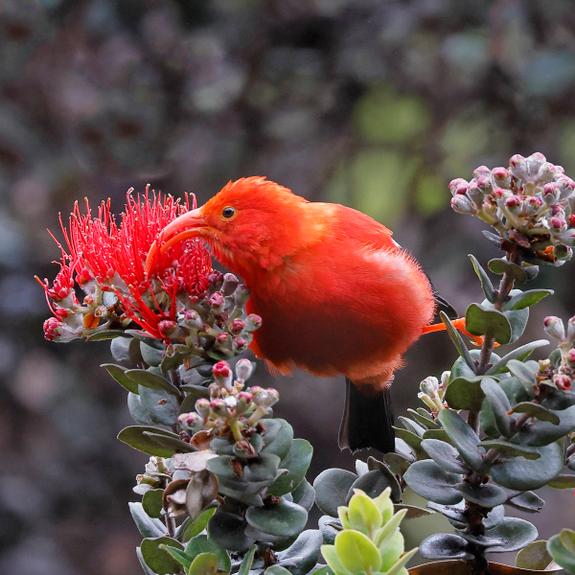
Have you ever wondered how the animals roaming your favorite natural spots shape the lives of the birds you love to watch? Ungulates—hoofed mammals like deer, elk, and wild boar—play a surprising role in changing the homes of native birds.
Their presence can transform the landscape in ways that affect where birds nest, feed, and thrive. Understanding this connection can help you appreciate nature more deeply and even guide efforts to protect the delicate balance of these habitats. Keep reading to discover how ungulates impact native birds and what that means for the environments you care about.
Ungulate Impact On Vegetation
Ungulates, such as deer and elk, play a major role in shaping vegetation. Their feeding habits and movements change plant growth and composition. These changes directly influence native bird habitats by altering food sources and shelter. Understanding how ungulates impact vegetation helps protect bird populations and maintain ecosystem balance.
Changes In Plant Diversity
Ungulates often prefer certain plants, reducing their numbers. This selective feeding lowers the variety of plant species. Less diversity means fewer types of seeds and insects for birds. Some plants become dominant while others vanish. This shift can harm birds that rely on specific plants for food or nesting.
Effects On Ground Cover
Ungulates trample and graze ground vegetation heavily. This reduces plant cover near the soil, exposing bare ground. Without ground cover, soil erosion increases and moisture drops. Birds that nest or forage on the ground face risk. Sparse ground cover also limits insect populations, a vital food source for many birds.

Credit: abcbirds.org
Alterations In Bird Nesting Sites
Ungulates, like deer and cattle, often change bird nesting sites. Their grazing habits can lead to significant habitat changes. These changes affect where birds choose to nest.
Disruption Of Nesting Habitats
Ungulates can trample on areas where birds nest. This damages vegetation and soil. Birds lose safe spots to build nests. Trampling also exposes nests to predators. Birds need concealed locations to protect eggs and chicks. Without these, their survival rates drop.
Availability Of Shelter
Ungulates eat plants that offer shelter to nesting birds. This reduces available cover for birds. Less shelter means fewer nesting sites. Birds rely on dense vegetation to hide from predators. With plants gone, birds face increased danger. They may move to less suitable areas.
Food Resource Competition
Food resource competition plays a key role in how ungulates affect native bird habitats. Both groups rely on the same plants, seeds, and insects for survival. When ungulates consume large amounts of these resources, birds may struggle to find enough food. This competition can change bird feeding behaviors and affect their health.
Shared Food Sources
Ungulates and native birds often eat similar foods. Common shared resources include:
- Seeds from grasses and shrubs
- Fruits and berries
- Insects hiding under plants
- Young shoots and leaves
Ungulates can reduce the availability of these foods by grazing heavily. This leaves less for birds, especially during dry seasons or harsh winters. The balance of the ecosystem shifts when ungulates dominate food supplies.
Impact On Bird Foraging
Birds may change their foraging habits due to competition. They might spend more time searching for food or move to new areas. This can lead to higher energy use and less time for other activities like nesting.
Some bird species may avoid places with many ungulates. Others adapt by eating different foods or feeding at different times. Still, food scarcity often lowers bird survival and reproduction rates.

Credit: www.mauiforestbirds.org
Long-term Ecosystem Changes
Ungulates, such as deer and wild boars, play a significant role in shaping the landscapes where native birds live. Over time, their presence can lead to lasting changes that affect how birds find food, build nests, and avoid predators. Understanding these long-term ecosystem changes helps you grasp the real impact these large herbivores have on bird habitats.
Habitat Fragmentation
Ungulates often cause habitat fragmentation by trampling vegetation and disturbing the soil. This breaks large, continuous habitats into smaller, isolated patches. Birds that rely on extensive forest cover or uninterrupted grasslands may find their living space reduced and their movement restricted.
Imagine a forest where deer have overgrazed the underbrush. The dense cover birds need for nesting disappears, replaced by open areas vulnerable to predators. You might wonder: how can bird populations survive if their safe spaces keep shrinking?
To protect native birds, managing ungulate populations or creating wildlife corridors can help reconnect fragmented habitats. These efforts maintain the natural flow of ecosystems, allowing birds to move freely and thrive.
Biodiversity Shifts
Ungulates change the types of plants that grow in an area by eating certain species more than others. This selective feeding shifts the balance of plant diversity and, in turn, affects the insects and small animals birds depend on for food.
For example, when deer favor shrubs that produce berries, fewer berries are available for birds that need them. In some cases, invasive plants may take over, offering less nutritional value or shelter for native birds. Have you noticed how some areas lose their variety of bird species over time? Ungulate-driven changes often explain this decline.
To support bird biodiversity, you can encourage natural vegetation recovery and control ungulate numbers. Restoring a diverse plant community creates a healthier environment for birds and other wildlife.
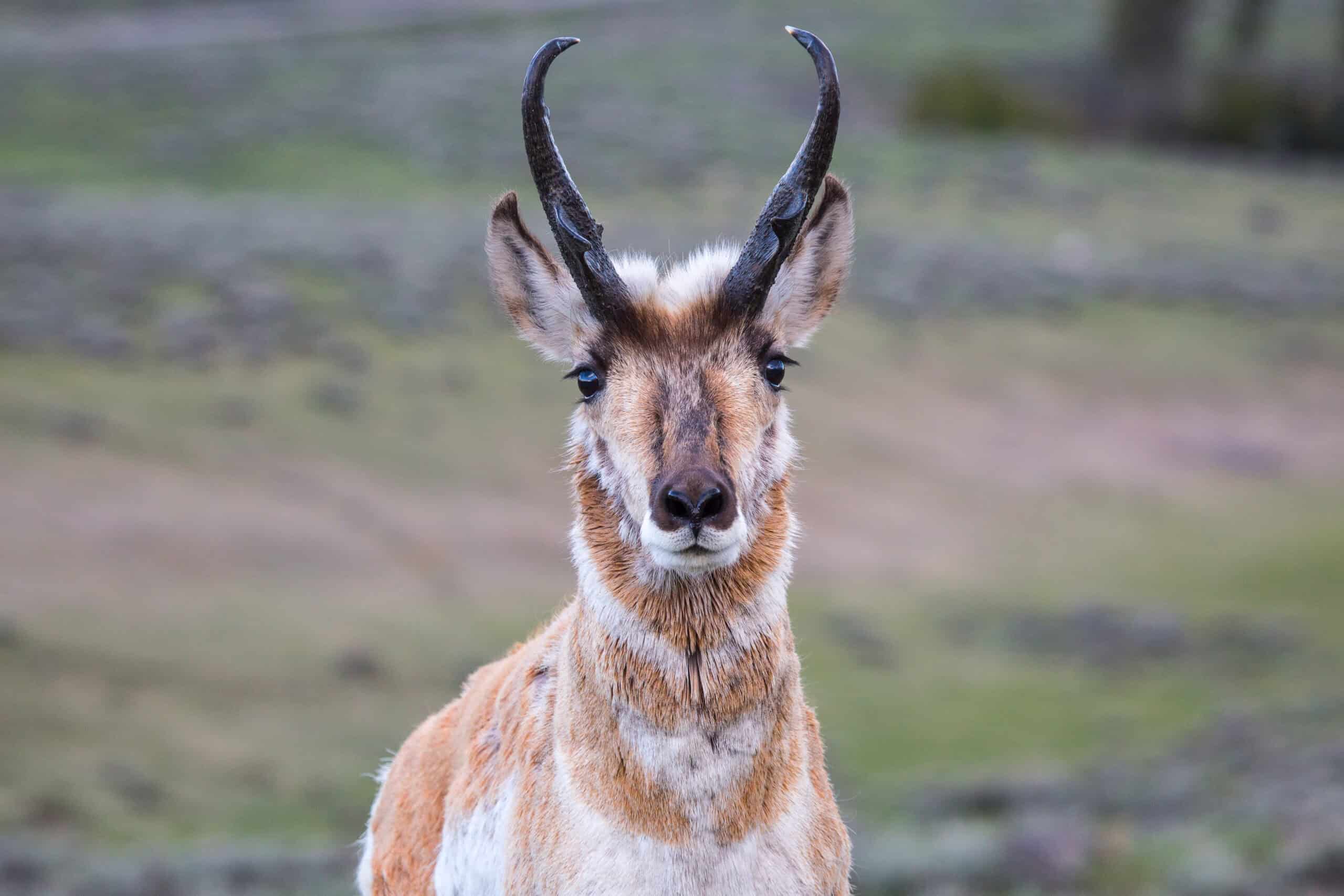
Credit: wildlife.org
Frequently Asked Questions
How Do Ungulates Impact Native Bird Habitats?
Ungulates alter vegetation structure by grazing and trampling. This changes food availability and nesting sites for native birds. Their presence can lead to habitat degradation, affecting bird diversity and population health.
Why Are Ungulates Important To Bird Ecosystem Balance?
Ungulates influence plant growth and seed dispersal, shaping habitat complexity. This impacts bird species that rely on specific vegetation for shelter and food. Their role helps maintain ecological balance but can also cause habitat shifts.
Can Ungulate Overpopulation Harm Native Birds?
Yes, overpopulation leads to excessive grazing and soil compaction. This reduces plant cover and nesting materials, directly harming native bird habitats. Managing ungulate numbers is crucial to protect bird diversity and ecosystem health.
Which Bird Species Benefit From Ungulate Activity?
Some ground-nesting birds benefit as ungulates create open spaces by clearing dense vegetation. This allows better foraging and predator detection. Species like quails and certain sparrows may thrive in these modified habitats.
Conclusion
Ungulates shape the homes of native birds in many ways. They change plants and soil, which affects bird food and shelter. Birds may lose places to nest or find fewer insects to eat. Some birds adapt, but others struggle to survive.
Protecting both ungulates and birds helps keep nature balanced. Careful land management supports healthy habitats for all wildlife. Understanding these effects guides us to better protect native birds. Nature’s connections are strong and need our attention.