
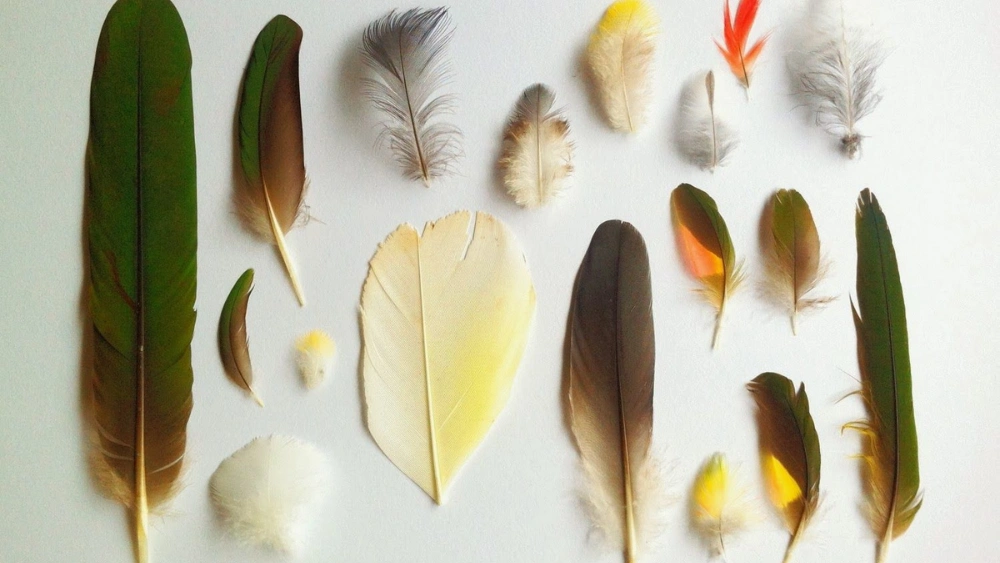
Feather cysts in birds can be a puzzling and concerning issue for any bird owner. If you’ve noticed unusual bumps or lumps on your feathered friend, you’re not alone.
These growths, known as feather cysts, can affect your bird’s comfort and overall health. But don’t worry, understanding and treating these cysts is not as daunting as it may seem. In this guide, you’ll discover straightforward steps to help your bird feel better and maintain their vibrant plumage.
You’ll learn what causes feather cysts, how to identify them, and most importantly, the effective treatments to ensure your bird’s well-being. Dive in to empower yourself with the knowledge to take control of your bird’s health, making sure they stay happy and healthy.

Credit: www.youtube.com
Causes Of Feather Cysts
Feather cysts form when feathers do not grow properly and get trapped under the skin. Understanding the causes helps bird owners manage and prevent these cysts. Several factors can lead to the development of feather cysts in birds. These causes often overlap and affect each other.
Genetic Factors
Some bird species or breeds have a higher chance of developing feather cysts. Genetic traits can cause abnormal feather growth patterns. Birds with a family history of cysts are more prone to this condition. These inherited traits affect the structure of feathers and skin.
Injury And Infection
Physical injuries to feathers or skin can trigger cyst formation. Cuts, bites, or scratches may block feather follicles. Infections from bacteria or fungi worsen the problem. The skin tries to heal but traps the feather inside, causing a cyst.
Feather Growth Issues
Problems during feather development often cause cysts. Feathers may grow in the wrong direction or get stuck under the skin. Poor nutrition or illness can disrupt normal feather growth. These issues lead to swelling and lumps under the skin where feathers try to emerge.
Symptoms To Watch For
Recognizing feather cysts early helps protect your bird’s health. Watch closely for signs that show something is wrong. These symptoms often appear before serious problems develop. Spotting them can guide you to the right care quickly.
Visible Lumps
Feather cysts look like small, round lumps under the skin. They can appear anywhere feathers grow. The lumps may feel firm or soft. Sometimes, they change size slowly over days or weeks. These bumps differ from normal feathers or skin bumps.
Feather Damage
Feather cysts cause feathers to grow abnormally. You might see broken, twisted, or missing feathers. The affected area often looks messy or uneven. Feathers may fall out easily around the cyst. This damage makes the bird’s plumage look unhealthy.
Behavioral Changes
Birds with feather cysts may act differently. They can scratch or peck the cyst area a lot. Some birds become restless or avoid being touched. You might notice less activity or appetite. These changes signal discomfort or pain from the cyst.
Home Care And Remedies
Feather cysts in birds require careful home care to prevent infection and promote healing. Proper attention and gentle treatment can ease discomfort and support your bird’s recovery. Cleanliness and natural remedies play key roles in managing feather cysts effectively.
Cleaning And Hygiene
Keep the affected area clean to avoid bacteria buildup. Use a soft cloth dampened with warm water to gently wipe the cyst. Avoid harsh soaps or chemicals that may irritate the skin. Change your bird’s bedding regularly to maintain a fresh environment. Wash your hands before and after touching the cyst to prevent spreading germs. Monitor the cyst for any signs of swelling or discharge during cleaning.
Natural Treatments
Natural remedies can soothe irritation and support healing. Apply a small amount of coconut oil to moisturize and reduce inflammation. Aloe vera gel is another gentle option to calm the skin. Use these treatments sparingly to avoid clogging the cyst. Offer a balanced diet rich in vitamins to boost your bird’s immune system. Fresh fruits, vegetables, and quality pellets help maintain healthy feathers and skin.
When To Seek Help
Watch for signs that need professional attention. If the cyst grows quickly or bursts, contact a vet immediately. Persistent redness, swelling, or foul odor indicate infection. Difficulty flying or eating may signal pain or distress. A vet can safely drain or remove the cyst if home care is not enough. Early intervention prevents complications and promotes faster healing.

Credit: www.reddit.com
Veterinary Treatments
Veterinary treatments provide effective ways to manage feather cysts in birds. These treatments focus on removing the cysts and preventing infections. A veterinarian evaluates the cyst size, location, and the bird’s health before deciding the best approach.
Surgical Removal
Surgical removal is a common treatment for large or persistent feather cysts. The vet uses local or general anesthesia to keep the bird calm and pain-free. The cyst is carefully cut out to avoid damage to surrounding tissue. Surgery helps stop the cyst from growing back. Healing takes several weeks, and stitches may be needed.
Medication Options
Medications help reduce inflammation and fight infections around the cyst. Antibiotics are given if bacteria are present. Anti-inflammatory drugs ease pain and swelling. Sometimes, the vet prescribes topical ointments to apply directly to the cyst area. Medication supports healing and comfort but often works best with surgery.
Post-treatment Care
- Keep the bird in a clean, quiet space to heal.
- Check the surgical site daily for redness or swelling.
- Follow the vet’s instructions for giving medications on time.
- Avoid handling the affected area to prevent irritation.
- Bring the bird for follow-up visits to monitor recovery.

Credit: pdsparrotshop.com
Frequently Asked Questions
What Are The Common Causes Of Feather Cysts In Birds?
Feather cysts usually form due to trauma, infection, or blocked feather follicles. Genetics and poor nutrition can also contribute. Identifying causes helps in choosing the right treatment.
How Can I Safely Remove Feather Cysts At Home?
Home removal is not recommended due to infection risks. Consult a vet for proper diagnosis and safe removal. Professional care ensures bird safety and prevents complications.
When Should I Take My Bird To The Vet For Cysts?
Visit the vet if the cyst grows, bleeds, or causes discomfort. Early intervention prevents infections and promotes quicker healing. Regular checkups help monitor cyst development.
Can Feather Cysts Affect My Bird’s Health Long-term?
Yes, untreated cysts can cause infections and affect feather growth. They may lead to discomfort and secondary health issues. Timely treatment reduces long-term risks.
Conclusion
Treating feather cysts in birds takes patience and care. Watch your bird closely for any changes. Clean the affected area gently and keep it dry. Consult a vet for the best treatment options. Early care helps prevent infections and discomfort.
Remember, your bird depends on you for help. Stay calm and consistent with treatment steps. Healthy feathers mean a happy, active bird. Keep learning and caring to support your pet’s health. Small efforts make a big difference in recovery.