
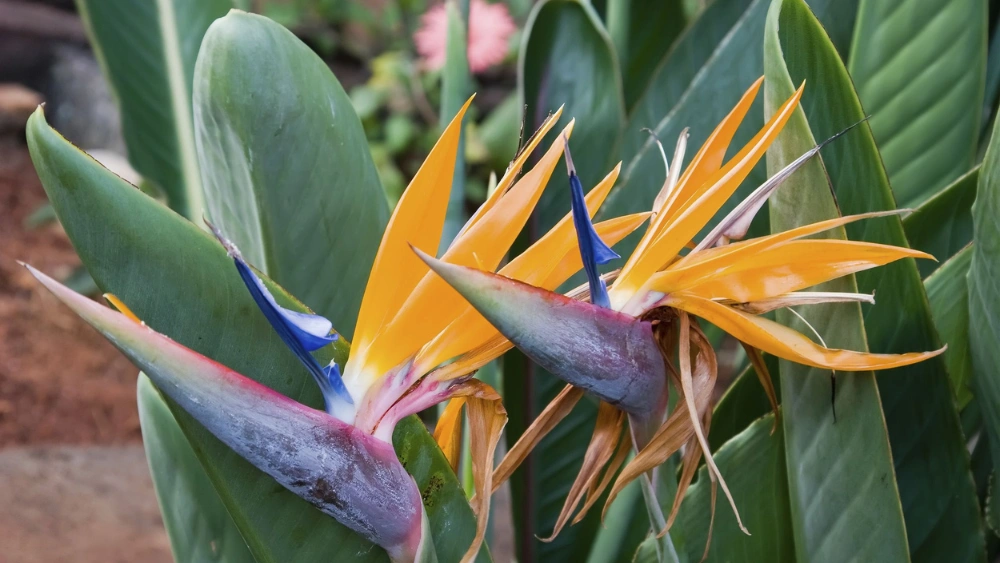
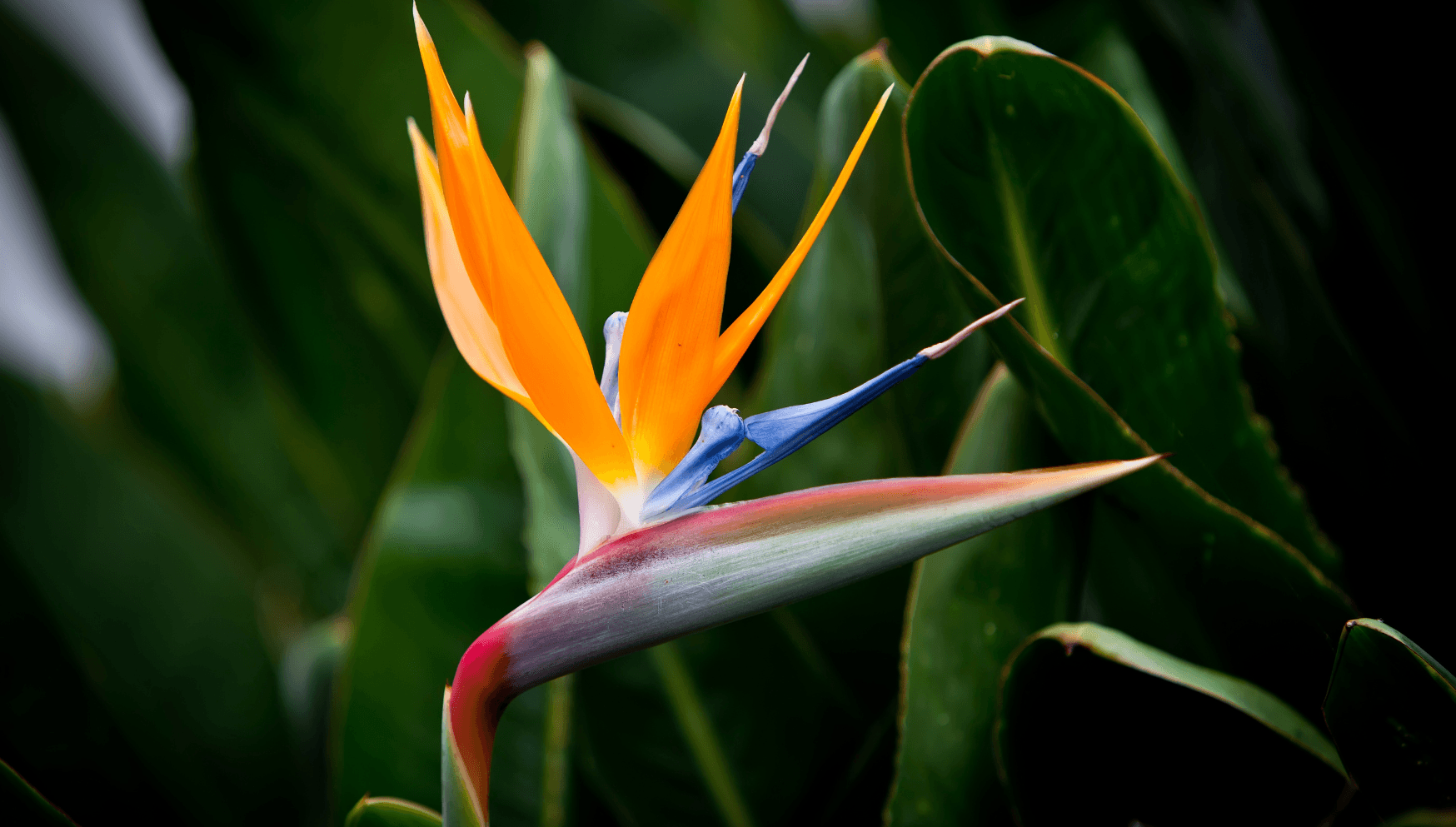
Imagine walking into a room and being greeted by the bold, exotic presence of a Bird of Paradise plant. Its striking blooms and lush foliage can instantly transform any space into a tropical oasis.
But what if your plant isn’t looking as vibrant as it should? You might be wondering how to care for this stunning beauty to keep it thriving and radiant. In this guide, you’ll uncover simple yet effective tips on treating your Bird of Paradise plant, ensuring it remains a dazzling centerpiece in your home.
Ready to unlock the secrets to nurturing this tropical treasure? Keep reading to discover how you can make your Bird of Paradise the envy of every plant enthusiast.
Credit: plnts.com
Choosing The Right Location
Choosing the right location for your Bird of Paradise plant is one of the most important steps to ensure it thrives. This tropical beauty has specific needs that, if not met, can stunt its growth or cause leaf damage. Knowing where to place your plant can make a big difference in its health and appearance.
Light Requirements
Bird of Paradise plants love bright light. They do best in a spot where they get plenty of indirect sunlight every day. Too little light can cause slow growth and dull leaves, while direct harsh sunlight might scorch them.
Try placing your plant near an east-facing window where it can soak up gentle morning sun. If your home is darker, consider supplementing with a grow light to keep your plant happy. Have you noticed how your plant reacts to different lighting spots? Observing this can guide you to the perfect location.
Temperature And Humidity
This plant prefers warm conditions, ideally between 65-75°F (18-24°C). Avoid placing it near cold drafts or air conditioning vents, as sudden temperature drops can stress the plant.
Humidity also plays a role. Bird of Paradise enjoys moderate to high humidity levels. If your home feels dry, especially in winter, you might want to mist the leaves regularly or use a humidifier nearby.
Think about your daily routine—can you commit to maintaining a consistent environment? Your plant’s well-being depends on steady warmth and humidity.
Watering And Soil Needs
Watering and soil play a key role in keeping your Bird of Paradise plant healthy. This tropical beauty thrives with the right moisture and soil conditions. Too much water can harm the roots, while too little dries the leaves. Soil must drain well but also hold some moisture. Understanding these needs helps your plant grow strong and vibrant.
Proper Watering Schedule
Water Bird of Paradise deeply but not often. Let the top 1-2 inches of soil dry out before watering again. During the growing season, water about once a week. In cooler months, reduce watering to every two weeks. Always check the soil moisture first. Avoid water sitting in the pot’s saucer to prevent root rot. Mist leaves occasionally to keep humidity up.
Best Soil Types
Choose soil that drains well yet holds moisture. A mix of potting soil, peat, and perlite works well. This blend allows air to reach roots and prevents waterlogging. Avoid heavy clay soils or dense mixtures. Adding sand or bark chips can improve drainage. Good soil helps roots grow strong and supports healthy plant growth.
Fertilizing And Feeding
Fertilizing and feeding your Bird of Paradise plant correctly can make a huge difference in its growth and flowering. These tropical beauties thrive when given the right nutrients at the right time. But how do you choose the best fertilizer, and how often should you feed your plant to see vibrant blooms?
Recommended Fertilizers
Look for fertilizers with a balanced mix of nitrogen (N), phosphorus (P), and potassium (K). A formula like 10-10-10 or 20-20-20 works well. These provide essential nutrients that support healthy leaves and strong flowers.
You can also try fertilizers formulated specifically for flowering plants. These often have slightly higher phosphorus levels to encourage blooming.
Organic options like compost tea or fish emulsion can be a gentle but effective choice. They improve soil health while feeding your plant naturally.
Feeding Frequency
During the growing season (spring through early fall), feed your Bird of Paradise every 4 to 6 weeks. This consistent schedule keeps nutrients available without overwhelming the roots.
In winter, reduce feeding or stop completely since the plant’s growth slows down. Overfeeding during dormancy can cause nutrient buildup and harm your plant.
Watch your plant’s leaves for signs it needs feeding—yellowing or dull leaves often mean it’s hungry. Have you noticed your Bird of Paradise perk up after a feeding? That’s a good sign you’re on the right track.

Credit: www.reddit.com
Pruning And Pest Control
Pruning and pest control keep your Bird of Paradise healthy and beautiful. Pruning helps shape the plant and remove dead parts. Pest control stops bugs from damaging the leaves and flowers. Both tasks improve growth and appearance.
Trimming Techniques
Use clean, sharp scissors or pruning shears for trimming. Cut off dead or yellow leaves at the base. Remove old flower stalks to encourage new blooms. Trim any crowded stems to improve air flow. Always cut at a slight angle to prevent water damage. Avoid cutting too much—never remove more than one-third of the plant. Regular trimming keeps your Bird of Paradise neat and thriving.
Common Pests And Remedies
Watch for pests like spider mites, scale, and mealybugs. These bugs cause yellow spots and sticky residue. Check leaves regularly for small webs or white cottony spots.
- Spider mites: Spray with water to knock them off.
- Scale: Remove by hand or wipe with alcohol.
- Mealybugs: Use insecticidal soap or neem oil spray.
Keep the plant clean and avoid overwatering to reduce pests. Healthy plants resist bugs better and grow strong.

Credit: www.reddit.com
Frequently Asked Questions
How Often Should I Water My Bird Of Paradise Plant?
Water your Bird of Paradise when the top 1-2 inches of soil are dry. Typically, water every 1-2 weeks. Avoid overwatering to prevent root rot. Adjust frequency based on indoor humidity and temperature.
What Type Of Soil Is Best For Bird Of Paradise?
Use well-draining, fertile soil with organic matter for Bird of Paradise. A mix of potting soil, peat, and perlite works well. Good drainage prevents waterlogging and promotes healthy root growth.
How Much Sunlight Does A Bird Of Paradise Need?
Bird of Paradise thrives in bright, indirect sunlight. It can tolerate some direct sun but avoid harsh midday rays. At least 4-6 hours of light daily helps vibrant growth and flowering.
When Should I Fertilize My Bird Of Paradise?
Fertilize your Bird of Paradise every 4-6 weeks during spring and summer. Use a balanced, water-soluble fertilizer to promote healthy growth. Reduce feeding in fall and winter when growth slows down.
Conclusion
Caring for your Bird of Paradise plant can be simple and fun. Provide enough light and water, but not too much. Keep the soil well-drained and feed it regularly. Watch for pests and remove dead leaves to keep it healthy.
With patience and care, your plant will grow strong and beautiful. Enjoy the bright colors and tropical feel it brings to your space. Small steps make a big difference for this lovely plant. Keep learning and adapting to help it thrive.