

Have you ever woken up with itchy, red bumps and wondered where they came from? If you’ve been around birds or their nests, those bites might be from bird lice.
While these tiny pests don’t live on humans, their bites can still cause discomfort and irritation. You might be wondering how to treat these bites quickly and safely to get relief. You’ll discover simple, effective ways to soothe your skin and stop the itching fast.
Keep reading to take control and feel comfortable again.
Credit: www.bedbugbarrier.com.au
Identifying Bird Lice Bites
Knowing how to spot bird lice bites on your skin is the first step toward effective treatment. These bites often go unnoticed or get confused with other insect bites, which can delay relief and increase discomfort. Understanding the specific signs can help you act quickly and prevent further irritation.
Common Symptoms
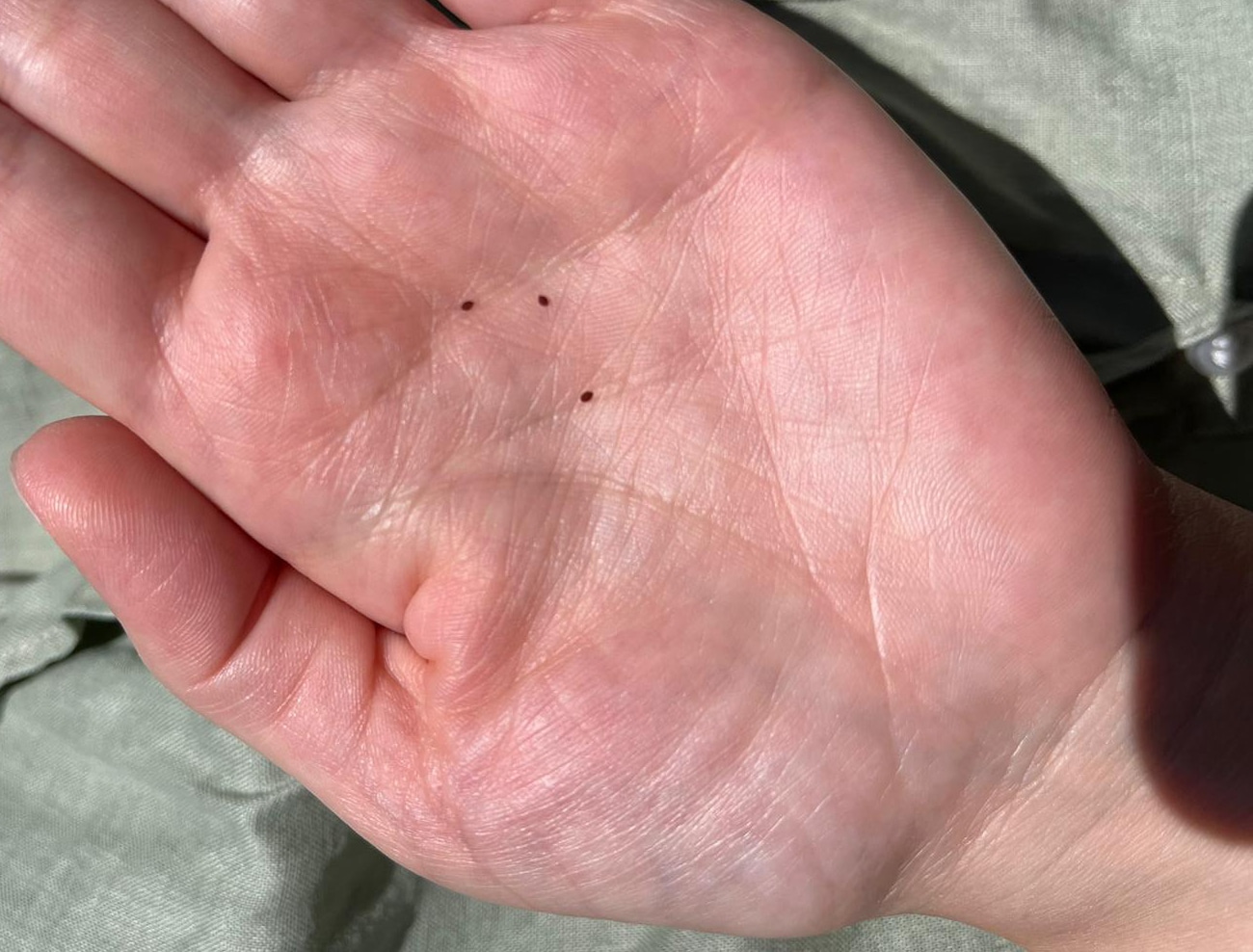
Bird lice bites usually appear as small, red bumps on the skin. They tend to itch intensely, especially during the night when lice are most active. You might notice these bites clustered around areas that are exposed while sleeping or resting, such as your arms, neck, and legs.
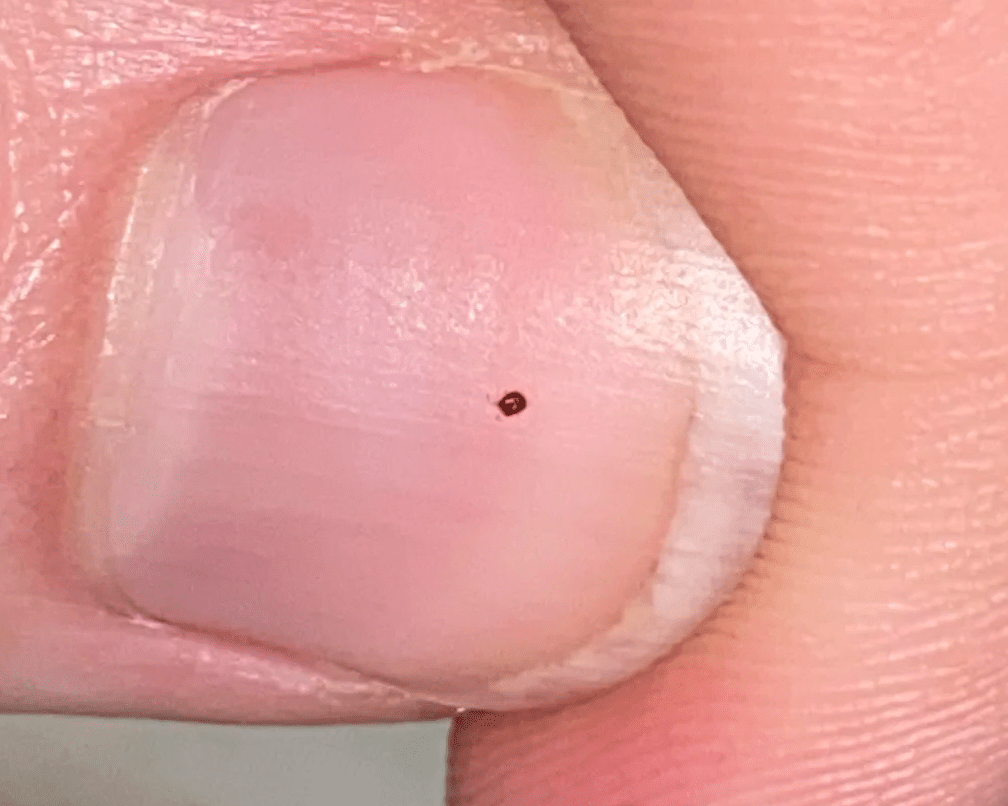
Unlike mosquito bites, bird lice bites often don’t swell much but can become inflamed if scratched excessively. Sometimes, you may experience a mild burning sensation or slight tenderness around the bite. Watch for tiny puncture marks at the center of each bump, which indicate where the lice fed.
Difference From Other Insect Bites
It can be tricky to tell bird lice bites apart from other insect bites like fleas or bedbugs. Bird lice bites are usually less raised and don’t form large welts as bedbug bites often do. They also lack the pattern of three bites in a row that fleas commonly leave behind.
Another key difference is where the bites are found. Bird lice tend to bite areas exposed during sleep or rest, whereas fleas often bite around the feet and ankles. If you’ve recently been near birds or bird nests, that’s a strong clue pointing toward bird lice.
Have you noticed bites that don’t fit the usual pattern of mosquitoes or bedbugs? Consider your surroundings and recent activities. Identifying the culprit correctly can save you from unnecessary treatments and help you focus on the right solution.

Credit: vermicure.co.uk
Immediate Care For Bites
Dealing with bird lice bites can be uncomfortable, but quick action can prevent further irritation and infection. Immediate care focuses on soothing your skin and stopping the spread of bacteria. Knowing how to handle the bites right away makes a big difference in your recovery.
Cleaning The Affected Area
Start by washing the bite spots gently with warm water and mild soap. This removes dirt and any lingering lice or bacteria from your skin. Avoid scrubbing hard, as this can worsen irritation.
After washing, pat the area dry with a clean towel. Using a fresh cloth is important to prevent introducing new germs. Keeping the bite area clean reduces the risk of infection and speeds up healing.
Reducing Itching And Swelling
Itching can be relentless, but scratching only makes things worse. Try applying a cold compress or ice wrapped in a cloth to the bites. This helps reduce swelling and numbs the area, easing the itch.
Over-the-counter creams containing hydrocortisone or calamine lotion can also provide relief. These products calm inflammation and help your skin recover faster. Have you found natural remedies that soothe your skin? Aloe vera gel or oatmeal baths can be gentle options worth trying.
Home Remedies For Relief
Bird lice bites can cause itching and discomfort. Treating these bites at home can help ease symptoms quickly. Simple remedies can reduce irritation and speed healing. Using natural and easy-to-find ingredients is often effective. You can also find relief with common over-the-counter products.
Natural Soothing Agents
- Apply aloe vera gel to calm irritated skin. It cools and reduces redness.
- Use cold compresses to reduce swelling and itchiness.
- Honey has natural antibacterial properties that help prevent infection.
- Oatmeal baths soothe the skin and ease itching.
- Coconut oil moisturizes and soothes dry, irritated skin.
- Tea tree oil acts as an antiseptic and can relieve itching.
Over-the-counter Treatments
- Hydrocortisone cream reduces inflammation and itchiness quickly.
- Antihistamine creams or tablets can control allergic reactions.
- Calamine lotion helps dry out the bite and soothe itching.
- Pain relievers like ibuprofen reduce swelling and discomfort.
- Antiseptic sprays prevent infection on broken skin.
Preventing Future Bites
Stopping bird lice bites before they start is key to avoiding the itch and discomfort that come with them. Taking action to prevent future bites not only protects your skin but also keeps your living space cleaner and more comfortable.
Bird Lice Control Methods
Controlling bird lice starts with managing the source: the birds and their nests. If you have bird feeders or birdhouses near your home, check them regularly for lice and nests.
Remove old nests promptly and clean feeding areas with a safe insecticide designed for bird lice. This breaks the lice life cycle and reduces the chances they move to you.
You can also use natural repellents like diatomaceous earth around nesting sites. It’s safe for birds but deadly to lice, helping to cut down their numbers without harsh chemicals.
Protective Measures For Humans
Protecting yourself is about creating barriers lice can’t cross. Wear long sleeves and pants when you’re near bird nests or feeding spots. This simple step cuts down skin exposure and potential bites.
After spending time outdoors near birds, always shower and change your clothes immediately. Lice can hitch a ride on your clothing or hair, so quick cleaning helps stop them from biting later.
Consider using insect repellent on your skin and clothing. Products containing permethrin or picaridin work well against lice and can keep them off you effectively.
Have you noticed itchy red spots after visiting a park or backyard with birds? Taking these precautions might save you from repeated discomfort and keep your skin bite-free.
Credit: www.bedbugbarrier.com.au
Frequently Asked Questions
What Are Bird Lice Bites On Humans?
Bird lice bites are small, itchy red bumps on human skin. They occur when bird lice mistakenly bite humans. These bites can cause irritation and discomfort. It’s essential to treat them promptly to avoid further complications. Understanding how to treat bird lice bites can alleviate symptoms effectively.
How Can You Identify Bird Lice Bites?
Bird lice bites are small, red, and itchy bumps on the skin. They resemble mosquito bites and often appear in clusters. If you notice such marks after contact with birds, they might be bird lice bites. Proper identification helps in choosing the right treatment.
What Immediate Steps To Take For Bird Lice Bites?
Wash the affected area with soap and water immediately. Apply an over-the-counter anti-itch cream or lotion to soothe irritation. Avoid scratching to prevent infection. If symptoms persist, consult a healthcare professional for further advice. Quick action can reduce discomfort and prevent complications.
Are Bird Lice Bites Dangerous To Humans?
Bird lice bites are generally not dangerous to humans. They mainly cause irritation and discomfort. However, if left untreated, they can lead to skin infections. It’s important to monitor symptoms and seek medical advice if necessary. Proper treatment can alleviate symptoms and prevent further issues.
Conclusion
Treating bird lice bites on humans is simple with the right steps. Clean the affected area gently with soap and water. Use an anti-itch cream or cold compress to reduce itching. Avoid scratching to prevent infection. Keep your living space clean to stop bird lice from coming back.
If bites worsen or cause strong pain, see a doctor. Taking quick action helps you feel better fast and keeps your skin healthy. Stay aware and protect yourself from bird lice bites in the future.