

Are you tired of finding bird nests cluttering your eaves every season? Those little nests might seem harmless, but they can cause damage to your home and create messes that are hard to clean.
If you want to protect your property and avoid constant cleanup, it’s time to take action. You’ll discover simple and effective ways to stop birds from nesting in your eaves for good. Keep reading to learn how to keep your home bird-free without harming the birds themselves.
Reasons Birds Nest In Eaves
Birds often choose eaves as nesting spots for several practical reasons. These areas provide an ideal environment for them to raise their young. Understanding why birds prefer eaves helps in managing unwanted nests effectively. Here are the main reasons birds nest in eaves.
Safety And Shelter
Eaves offer protection from harsh weather and predators. The overhang shields nests from rain and strong wind. Birds feel safe in these hidden, elevated spaces. This safety encourages birds to return to the same spot year after year.
Easy Access To Food
Eaves are usually close to gardens, trees, and plants. These areas provide a steady supply of insects and seeds. Birds can find food nearby without flying far. Nesting near food saves energy and time for feeding their young.
Suitable Nesting Materials
Eaves often have easy-to-find materials nearby. Twigs, leaves, and feathers accumulate in these areas. Birds use these items to build strong, comfortable nests. The availability of materials makes eaves attractive nesting spots.
Credit: www.modernexteriorroofing.com
Preventive Measures For Bird Nesting
Stopping birds from nesting in your eaves before they start can save you a lot of hassle. Taking proactive steps helps protect your home from damage and keeps unwanted messes away. You don’t have to wait until nests appear to act—simple preventive measures can make a big difference.
Install Physical Barriers
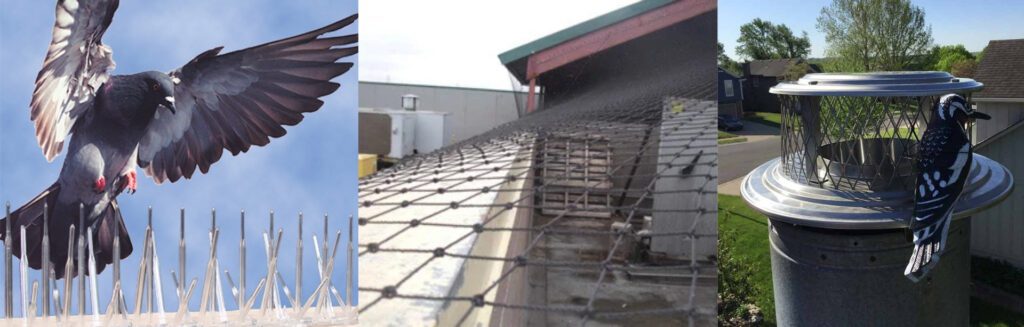
Physical barriers like mesh screens or bird spikes block birds from accessing your eaves. These barriers are effective because they create a clear no-entry zone without harming the birds. You can easily attach metal or plastic mesh to cover openings where birds might try to build nests.
Have you checked all the small gaps around your roofline? Even a tiny space can invite birds in. Sealing these with durable materials ensures no cozy spots for nesting.
Use Bird Repellent Devices
Devices such as reflective tape, ultrasonic repellents, or decoy predators discourage birds from settling near your home. They work by creating discomfort or confusion that birds want to avoid. Many homeowners find that combining a few different devices increases effectiveness.
Consider placing shiny objects like old CDs or reflective strips near your eaves. The flickering light can deter birds without causing harm. Have you tried this simple trick in your garden or balcony?
Maintain Regular Cleaning
Cleaning your eaves regularly removes leftover nesting materials and discourages birds from returning. Birds often reuse old nests, so keeping the area clear reduces attraction. Make it part of your seasonal home maintenance routine.
Don’t forget to check for droppings or debris that might signal bird activity. Cleaning up early signs helps you stay ahead before nests become a problem. What’s your current cleaning schedule for hard-to-reach places like eaves?
Safe Removal Of Existing Nests
Removing bird nests from eaves requires care and respect for wildlife. Safe removal protects birds and avoids legal issues. It also prevents damage to your home and keeps your eaves clean. Follow important guidelines before taking action.
Check Local Wildlife Laws
Many birds are protected by law. Removing nests without permission can lead to fines. Some species have nesting seasons with strict rules. Always check local wildlife regulations first. Contact wildlife authorities for advice if unsure.
Best Time For Nest Removal
Timing is crucial to avoid harming birds. Remove nests only when they are empty. Usually, after breeding season ends is safest. Avoid removal during egg-laying or chick-rearing periods. Late summer or early fall often works well.
Tools And Techniques
Use gentle tools to remove nests carefully. Gloves protect your hands and prevent disease. A soft brush helps clean debris without damage. Dispose of nests away from your home. Clean the area with mild soap to remove residue.

Credit: www.familyhandyman.com
Long-term Solutions To Deter Birds
Stopping birds from nesting in eaves takes more than quick fixes. Long-term solutions focus on making eaves less attractive and harder to access. These options protect your home and keep birds away safely and humanely. Smart changes and professional help create lasting results.
Modify Eave Design
Changing the eave design can block bird access. Adding tight mesh screens over openings keeps birds out. Sloping surfaces or smooth materials prevent birds from landing. Sealing gaps and cracks removes hiding spots. These changes make eaves less inviting for nesting.
Use Natural Deterrents
Natural deterrents work without harming birds. Reflective items like shiny tapes or mirrors scare birds away. Sounds of predators, played softly, discourage nesting. Planting prickly bushes near eaves blocks bird paths. These methods gently encourage birds to find other homes.
Professional Bird Control Services
Experts offer safe, long-lasting bird control. They assess your home and suggest the best methods. Professionals install barriers, spikes, and nets correctly. They use humane techniques that protect birds and your property. Hiring professionals ensures effective and lasting bird prevention.

Credit: www.integritywildlife.ca
Frequently Asked Questions
How Can I Prevent Birds From Nesting In Eaves?
To prevent birds from nesting, seal potential entry points with mesh or netting. Install bird spikes or sloped surfaces to deter them. Regularly inspect and maintain your eaves to ensure they are free from debris and damage. Consider using bird repellents or visual deterrents to keep them away.
What Attracts Birds To Eaves?
Birds are attracted to eaves for shelter and protection from predators. Eaves provide a stable structure for building nests. The warmth and safety make it an ideal location for nesting. Ensure your eaves are clean and free from debris to make them less appealing.
Are Bird Spikes Effective Against Nesting?
Yes, bird spikes are effective in preventing nesting. They create an uneven surface that birds avoid. This deters them from landing or building nests. Make sure to install them correctly for maximum effectiveness. Regularly check the spikes to ensure they remain functional.
Can Noise Deter Birds From Nesting?
Yes, noise can deter birds from nesting in your eaves. Loud, unexpected sounds can make them uncomfortable. Consider using wind chimes or ultrasonic bird repellents. These methods disrupt their peace and encourage them to find a quieter place. Ensure the noise is safe for both birds and humans.
Conclusion
Stopping birds from nesting in your eaves keeps your home clean and safe. Use simple barriers like mesh or spikes to block entry points. Keep the area dry and free of old nests. Regular checks help catch new attempts early.
Small steps now save big problems later. Protect your home without harming the birds. A little effort goes a long way to peaceful, bird-free eaves.