

If you want to attract beautiful bluebirds to your yard, setting up a bluebird house is the best way to start. It’s simple, rewarding, and brings nature closer to you.
Imagine watching these bright birds build their nests and raise their young right outside your window. You might wonder how to choose the right spot or what kind of house works best. Don’t worry—this guide will walk you through every step, making it easy for you to provide a safe home for bluebirds.
By the end, you’ll be ready to welcome these charming visitors and enjoy their cheerful songs every day. Keep reading to discover how to set up a bluebird house that really works.
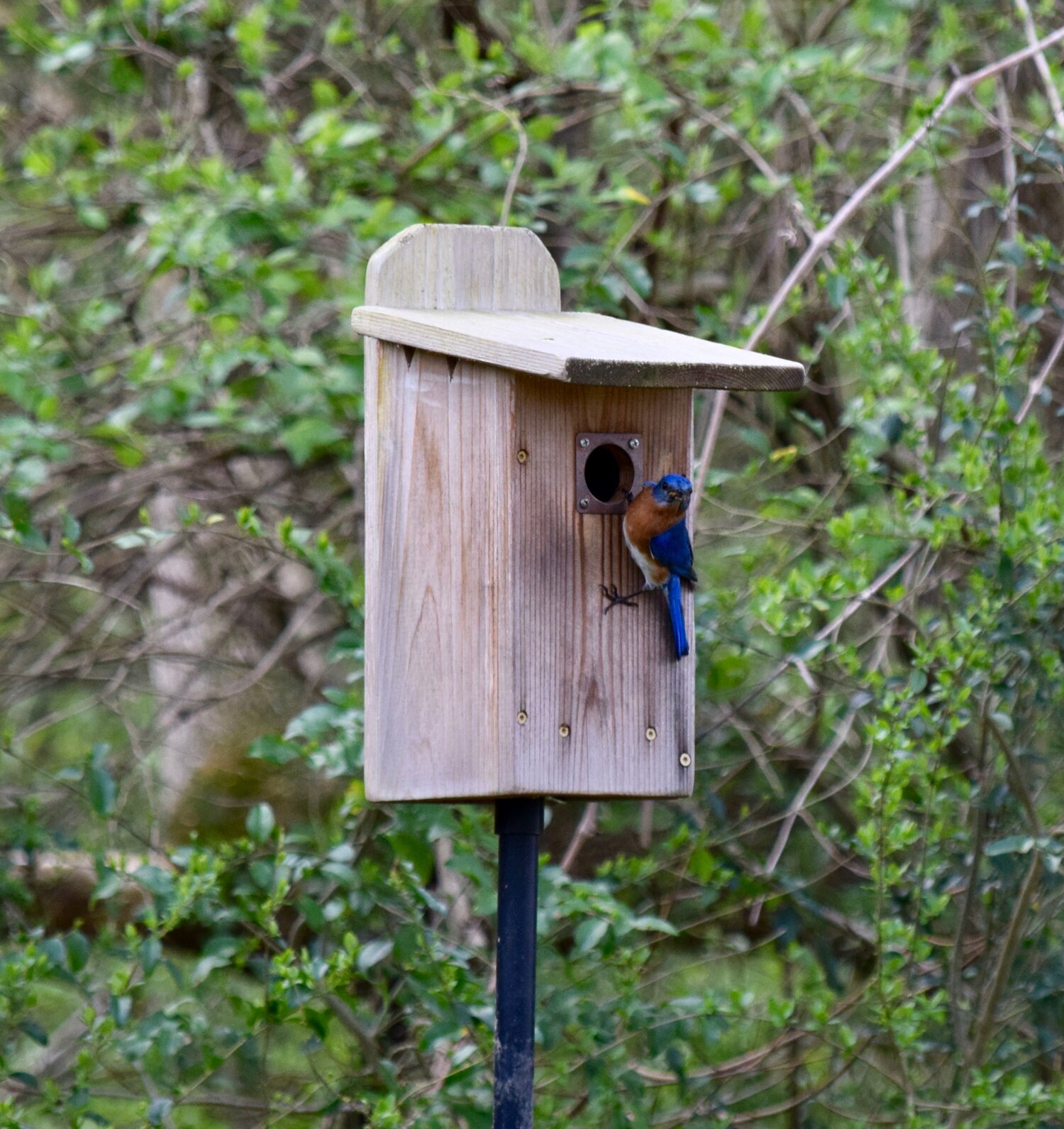
Credit: www.thewoodthrushshop.com
Choosing The Right Location
Choosing the right location for your bluebird house is essential to attract and protect these beautiful birds. The site influences their chances of nesting and raising chicks safely. Proper placement ensures bluebirds feel secure and comfortable.
Bluebirds prefer open spaces with some trees or shrubs nearby. The location should allow easy access to food and shelter. A well-chosen spot supports healthy bird activity and helps maintain their population.
Ideal Spot For Bluebird Houses
- Place the house 4 to 6 feet above the ground.
- Choose an open area with scattered trees or shrubs.
- Face the entrance hole away from prevailing winds, usually east or southeast.
- Keep the house away from busy roads and loud noises.
- Ensure there is a clear flight path to the entrance.
Avoiding Predators And Disturbances
- Mount the house on a metal pole to stop climbing predators.
- Keep cats, raccoons, and snakes away from the area.
- Do not place the house near bird feeders that attract squirrels.
- Avoid areas with heavy human traffic or frequent disturbances.
- Trim nearby branches that predators might use to reach the house.
Selecting The Best Bluebird House
Choosing the right bluebird house is key to attracting bluebirds to your garden. The house you pick can make all the difference between a lively nest and an empty box. Paying attention to the details in material and design, as well as size and entrance hole dimensions, will help you create a welcoming home for these beautiful birds.
Material And Design Considerations
Wood is the best material for a bluebird house because it provides natural insulation. Avoid metal or plastic, as these materials can overheat and harm the birds inside. Cedar and pine are popular choices because they last long and resist weather damage.
The design should include ventilation holes near the top and drainage holes at the bottom. This keeps the house cool and dry, preventing mold and overheating. Also, a slanted roof helps rainwater run off, protecting the interior.
One time, I used a plain wooden box without ventilation, and the bluebirds never stayed. Adding small holes for airflow made a big difference the next season. You want to make sure your house is easy to clean too, with a hinged side or roof.
Size And Entrance Hole Dimensions
Bluebirds prefer houses that are about 5 to 6 inches wide and deep, and 8 to 12 inches tall. This size gives them enough space without making them feel exposed. Too large, and other unwanted birds might move in.
The entrance hole size is critical—it should be 1.5 inches in diameter. This size keeps out bigger birds like starlings and sparrows, which can take over bluebird nests. If the hole is too small, bluebirds won’t enter.
- Height of entrance hole: 6 to 12 inches from the floor to protect against predators.
- Position the house at least 4 feet above the ground for safety.
Have you checked the entrance size on your current birdhouse? Adjusting it might encourage bluebirds to move in. Sometimes, small tweaks make a big difference in attracting the right guests.
Mounting And Installation Tips
Mounting and installing a bluebird house correctly helps attract bluebirds and keeps them safe. Careful placement encourages nesting and protects from predators. Follow these tips for a successful setup.
Proper Height And Placement
Place the bluebird house 4 to 6 feet above the ground. This height reduces risk from cats and other predators. Choose an open area with short grass or a lawn nearby. Avoid dense trees or thick bushes, as bluebirds prefer open spaces. Face the entrance hole away from prevailing winds to shield birds from weather. Sunlight in the morning helps keep the house warm and dry.
Securing The House Safely
Use a sturdy pole or post to mount the house securely. Avoid mounting on trees, as predators can climb easily. Attach the house with screws or strong brackets to prevent movement. Wrap the pole with a metal guard or baffle to stop snakes and raccoons. Check the installation often to ensure the house stays firm and safe for nesting bluebirds.

Credit: birdschoice.com
Maintenance And Monitoring
Regularly check the bluebird house for dirt, pests, and damage. Clean it after each nesting season to keep birds safe and healthy. Monitoring helps spot problems early and ensures a good environment for bluebirds.
Setting up a bluebird house is just the beginning. Regular maintenance and monitoring ensure it’s a welcoming home. These tasks help keep bluebirds safe and healthy. Monitoring also provides a chance to enjoy these charming birds. Let’s explore essential maintenance steps.Cleaning The House
Clean the bluebird house at least once a year. Early fall is ideal after birds have left. Wear gloves to remove old nests and debris. Use a mild bleach solution for cleaning. Rinse thoroughly to remove all traces of bleach. Allow the house to dry completely before closing it.Checking For Occupancy And Nest Health
Regularly check for signs of occupancy. Look for nesting materials and eggs. Monitor nest health every week during the breeding season. Ensure no pests or predators are disturbing the nest. If you notice any issues, take action immediately to protect the birds. Observing the nest also helps you learn more about bluebird behavior.
Credit: www.harrowsmithmag.com
Frequently Asked Questions
How High Should A Bluebird House Be Mounted?
Mount the bluebird house 4 to 6 feet above ground. This height keeps it safe from predators and easily visible to bluebirds.
What Materials Are Best For Building A Bluebird House?
Use untreated wood like cedar or pine. Avoid metal or plastic, as wood provides natural insulation and breathability for bluebirds.
How Do I Clean A Bluebird House?
Clean the house yearly after the breeding season. Remove old nests and debris to prevent parasites and ensure a healthy environment.
Where Is The Ideal Location For A Bluebird House?
Place the house in open areas with scattered trees or shrubs. Avoid dense woods or noisy locations to attract bluebirds.
Conclusion
Setting up a bluebird house brings nature closer to home. Choose a safe spot with good sunlight and protection. Keep the house clean and check it often. Watch bluebirds enjoy their new shelter and raise their young. Small efforts help these birds thrive in your yard.
Enjoy the beauty and songs bluebirds bring every day. Simple steps create a happy home for bluebirds nearby.