

Are you ready to take your birdwatching experience to the next level? Choosing the right binoculars can make all the difference between spotting a rare bird and missing it entirely.
But with so many options out there, how do you find the perfect pair that fits your needs and budget? In this guide, you’ll discover simple tips that help you pick binoculars designed just for birding. By the end, you’ll feel confident and excited to explore nature with clear, crisp views every time.
Keep reading to find out exactly what you should look for and why it matters to your birding adventures.

Credit: www.sunnysports.com
Key Features To Consider
Choosing the right binoculars for birding means focusing on features that match your specific needs. The right combination of magnification, lens size, and other factors will make your birdwatching trips more enjoyable and productive. Understanding these key features helps you spot details without straining your eyes or carrying bulky equipment.
Magnification And Lens Size
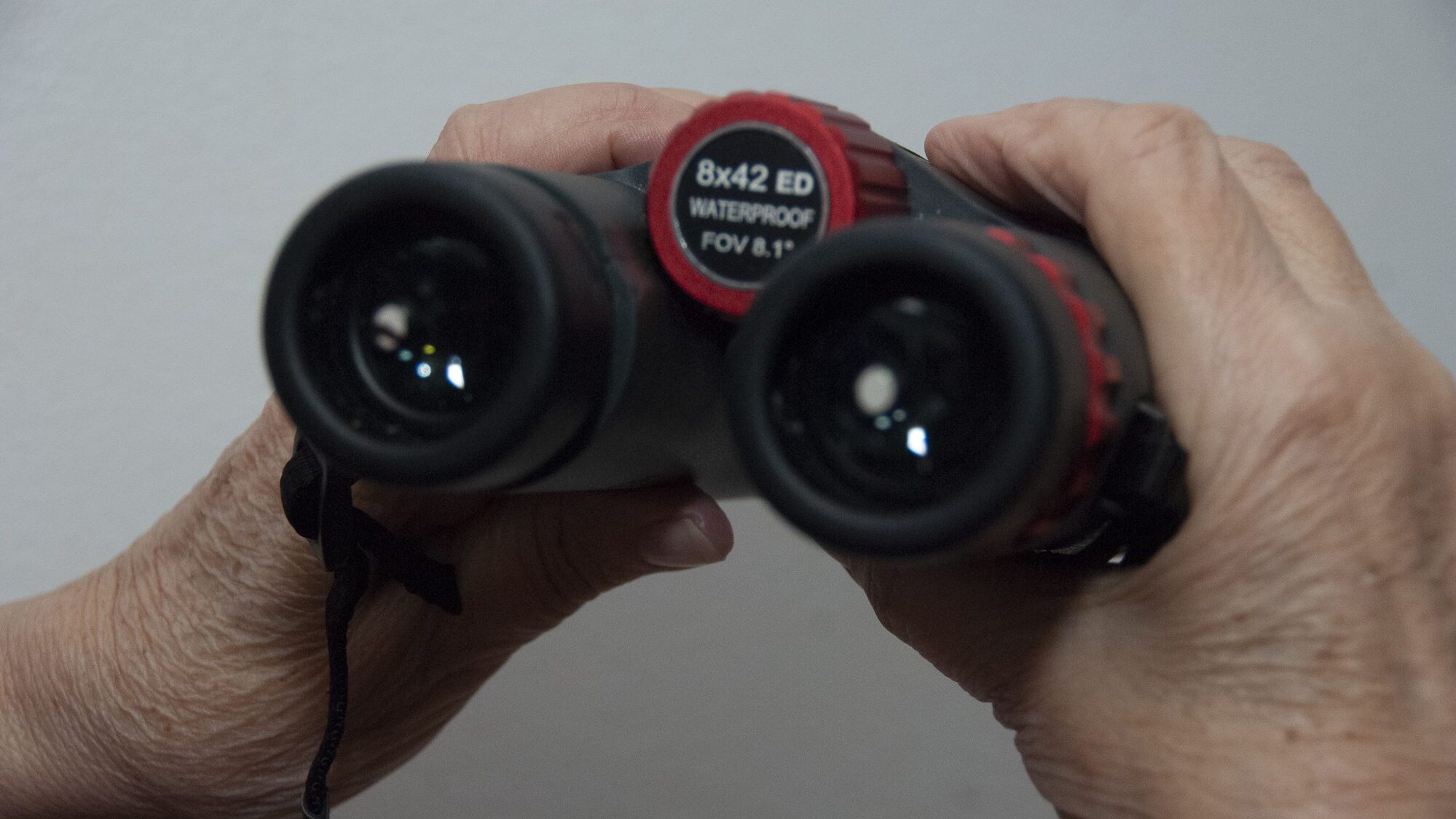
Magnification tells you how much closer an object appears. For birding, 8x or 10x magnification is ideal—it balances detail with stability. Higher magnification can make images shaky, especially if you don’t use a tripod.
Lens size, usually measured in millimeters, affects brightness. Larger lenses (like 42mm) gather more light, which helps in low-light situations such as dawn or dusk. However, bigger lenses also add weight, so consider how far you’ll be carrying your binoculars.
Field Of View
The field of view (FOV) is the width of the area you can see through your binoculars, measured in feet at 1000 yards or degrees. A wider FOV makes it easier to locate and follow fast-moving birds.
If you’ve ever struggled to find a bird quickly, you know how a narrow FOV can be frustrating. Look for binoculars with a field of view of at least 330 feet at 1000 yards for a good balance of detail and coverage.
Weight And Size
You’ll often carry binoculars for hours during birding trips, so weight matters. Lighter binoculars reduce fatigue, especially when you’re hiking or standing for long periods.
Compact models are easier to pack but might compromise on lens size and brightness. Think about your typical birding environment—will you prioritize portability or image quality?
Lens Coatings
Lens coatings improve light transmission and reduce glare, giving you brighter, clearer images. Fully multi-coated lenses offer the best performance, enhancing color and contrast.
Have you noticed glare or washed-out colors when using cheaper binoculars? Investing in quality coatings can make a visible difference during your birdwatching sessions, especially in bright or variable light conditions.
Types Of Binoculars For Birding
Choosing the right type of binoculars can change how you experience birding. Different designs offer unique benefits, affecting weight, image quality, and comfort. Understanding the two main types of binoculars will help you pick one that fits your style and needs perfectly.
Porro Prism Binoculars
Porro prism binoculars have a classic zigzag shape. This design usually offers better depth perception and a wider field of view. If you want bright, clear images and don’t mind a slightly bulkier pair, these might be ideal for you.
Many birders appreciate how Porro prisms provide excellent image brightness at a lower cost. However, their larger size can make them less convenient for long hikes. Have you ever struggled to carry heavy gear on a long birdwatching trip? Porro prisms might remind you of that challenge.
Roof Prism Binoculars
Roof prism binoculars are more compact and streamlined. Their straight barrels make them easier to carry and often more durable in rough conditions. If you value portability and a sleek design, roof prism binoculars could be your best choice.
These binoculars usually cost more because of complex internal prisms. But their lightweight and waterproof features make them perfect if you explore diverse environments. Think about your typical birding spots—would a compact, rugged pair improve your experience?
Choosing Based On Birding Environment
Choosing binoculars based on your birding environment improves your experience. Different settings demand different features. The right binoculars help you see birds clearly and comfortably.
Forest And Woodland
Birds often hide behind leaves and branches. Binoculars with a wide field of view are best here. Look for models with 7x to 8x magnification. This range offers a good balance of power and stability. Compact sizes help you move easily through dense areas. Bright optics help in low light under the canopy.
Open Fields And Wetlands
These areas offer long, clear views. Higher magnification, like 10x or more, helps spot distant birds. Choose binoculars with good image stabilization or steady grip. Waterproof and fog-proof features protect against damp conditions. A narrower field of view is fine since birds stand out well.
Travel And Hiking
Lightweight and compact binoculars fit easily into backpacks. Durability is important for rough trails. Choose models with rubber coatings for better grip. Versatile magnification between 8x and 10x suits different habitats. Consider folding or pocket-sized designs for easy carrying.
Credit: bringbinoculars.com
Maintenance And Accessories
Choosing the right maintenance tools keeps binoculars clear and functional for birding. Accessories like lens cloths and protective cases extend their life. Regular care ensures sharp views and lasting performance outdoors.
Selecting the right binoculars for birding is an exciting endeavor, but ensuring they last through years of adventure requires a bit of attention. Proper maintenance and the right accessories can significantly enhance your birding experience. By keeping your binoculars in top condition, you’ll enjoy clearer views and extend their lifespan.Cleaning And Care Tips
Regular cleaning is essential to maintain the clarity of your binoculars. Use a soft, lint-free cloth to gently wipe the lenses. Avoid using your shirt or tissue, which can scratch the lens surface. Consider investing in a lens cleaning kit. These kits often include a blower, brush, and cleaning solution specially formulated for optics. Follow the manufacturer’s instructions for the best results. Store your binoculars in a dry, cool place when not in use. Excessive humidity or heat can damage the optics and casing. A good practice is to keep them in a padded case to protect against accidental drops.Useful Accessories
Enhance your birding experience with some useful accessories. A comfortable neck strap or harness can make long birding sessions more enjoyable. They distribute the weight evenly, reducing strain on your neck. Lens caps are essential for protecting your binoculars when not in use. They prevent dust and scratches, preserving the quality of your view. Consider a tripod adapter if you plan to observe for extended periods. It provides stability and reduces arm fatigue, allowing you to focus on the beauty of the birds rather than steadying your hands. What accessories have you found most helpful on your birding adventures? Remember, the right gear can make all the difference in capturing that perfect view of a rare bird.
Credit: www.youtube.com
Frequently Asked Questions
What Magnification Is Best For Birding Binoculars?
A magnification of 8x to 10x is ideal for birding. It provides a clear and stable view without excessive shakiness. Higher magnification can make it harder to track moving birds. Lower magnification offers a wider field of view, useful for spotting birds quickly.
How Important Is The Objective Lens Size?
Objective lens size affects brightness and clarity. For birding, 32mm to 42mm lenses are recommended. Larger lenses gather more light, ideal for low-light conditions. However, bigger lenses add weight. Balance brightness needs with portability for comfortable use.
Should I Choose Waterproof Binoculars For Birding?
Yes, waterproof binoculars are essential for outdoor birding. They protect against rain, moisture, and fog. Waterproof models ensure durability in various weather conditions. This feature helps maintain clear vision and extends binocular lifespan.
What Is The Field Of View In Birding Binoculars?
Field of view is the visible area through the binoculars. A wider field helps locate and follow birds easily. Look for binoculars offering at least 300 feet at 1000 yards. This enhances birdwatching experience and reduces eye strain.
Conclusion
Choosing the right binoculars makes birding more fun and clear. Focus on size, weight, and lens quality first. Comfort matters a lot during long bird watching. Test different models to find what feels best. Good binoculars help you see birds in detail.
Enjoy your time outside and observe nature closely. Keep these tips in mind for better birding trips. Happy bird watching!