
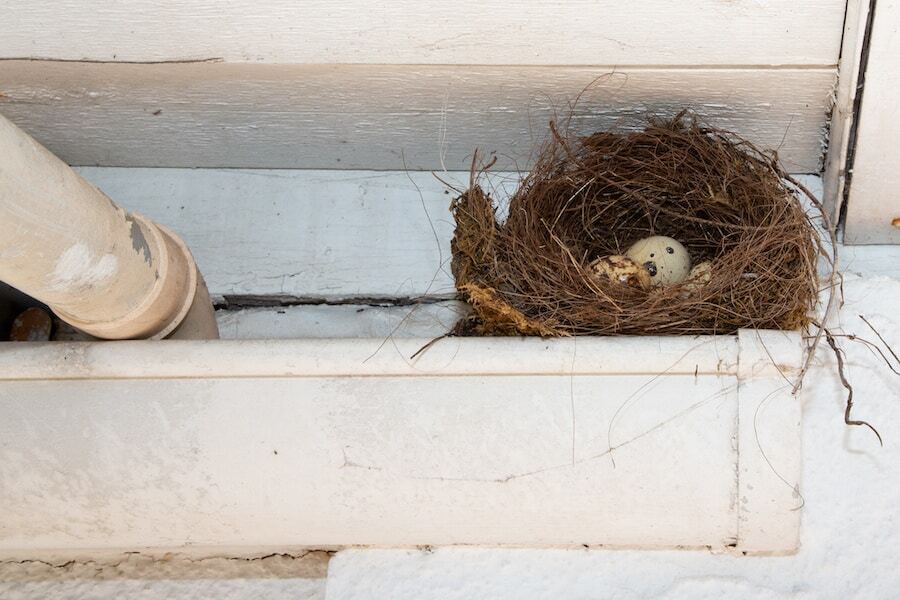
Have you ever found a bird’s nest where you didn’t want one? Whether it’s on your porch, attic, or garden, a bird nest can cause damage or block important spaces.
You might feel unsure about how to remove it safely without harming the birds or breaking any rules. You will discover simple and effective steps to remove a bird nest carefully. Keep reading to protect your home and handle the situation with confidence.
Credit: thelintking.com
Prepare For Removal
Preparing for bird nest removal is key to a safe, smooth process. Proper preparation helps avoid harm to birds and prevents damage to property. It also makes the task quicker and less stressful.
Two main steps ensure you are ready: gathering the right tools and checking local wildlife laws. These steps help you remove nests responsibly and effectively.
Gather Necessary Tools
Collect tools before starting the removal. Use gloves to protect your hands from dirt and possible germs. A ladder may be needed for nests in high places.
Have a trash bag ready to dispose of nest materials. A small brush or scraper helps remove stuck twigs or mud. Use a flashlight if working in dark areas.
- Protective gloves
- Ladder or step stool
- Trash bag or container
- Brush or scraper
- Flashlight (if needed)
Check Local Wildlife Laws
Many birds and their nests have legal protection. Removing a nest at the wrong time can be illegal. Some species are especially protected during breeding seasons.
Contact local wildlife authorities or check online for rules in your area. Understand what birds are protected and when nest removal is allowed. Following laws prevents fines and protects nature.

Credit: swibirds.org
Identify Nest Location
Identifying the location of a bird nest is the first step in safe removal. Birds choose spots that provide shelter and safety for their eggs and chicks. Knowing where nests commonly appear helps you act quickly and carefully. This prevents damage to property and avoids disturbing protected birds.
Common Nesting Spots
Birds build nests in many typical places around homes and gardens. Look in these areas:
- Under roof eaves and overhangs
- Inside vents and chimneys
- In trees, bushes, or dense shrubs
- On ledges, balconies, or window sills
- In garages, sheds, or unused equipment
Some birds prefer hidden spots, while others choose open, easy-to-access areas. Spotting nests early reduces risks and helps protect the birds.
Assessing Accessibility
Check how easy it is to reach the nest safely. Consider these points:
- Height and location of the nest
- Obstacles like wires or branches
- Whether you need ladders or tools
- Risk of disturbing other animals nearby
- Legal rules about handling nests in your area
Understanding accessibility ensures you prepare well. It also helps avoid accidents and harm to birds.
Remove The Nest Safely
Removing a bird nest requires care and attention to avoid harm. Safety for both you and the birds is important. Handling the nest gently preserves the environment and prevents damage to your property. Follow simple steps to remove the nest safely.
Wear Protective Gear
Protect yourself before touching the nest. Wear thick gloves to avoid scratches or bites. Use a face mask to prevent breathing dust or droppings. Long sleeves and pants protect your skin from dirt and parasites. Safety glasses keep your eyes safe from debris.
Use Gentle Removal Techniques
Approach the nest slowly and calmly. Avoid loud noises or sudden movements. Carefully loosen the nest from its place using soft tools like a brush or small stick. Do not pull hard to prevent breaking the nest or hurting baby birds. Place the nest in a box if you plan to move it far away.

Credit: www.callnorthwest.com
Prevent Future Nesting
Preventing birds from nesting around your home is key to avoiding repeated cleanups and potential damage. Once you’ve removed an unwanted nest, taking steps to stop birds from returning saves time and stress. Let’s look at effective ways you can discourage birds from making your space their next home.
Install Deterrents
Deterrents work by making your property less inviting for birds. You can use physical barriers like bird spikes or nets to block common nesting spots.
Reflective objects such as shiny tape or old CDs can scare birds away with sudden flashes of light. Some people use decoys like fake owls or snakes, which can be surprisingly effective if you move them around occasionally to keep birds guessing.
Have you tried sound deterrents? Devices emitting distress calls or predator sounds can discourage nesting without harming the birds. However, balance is important—too much noise might bother you too.
Regular Maintenance Tips
Keeping your property clean and tidy reduces places where birds can build nests. Regularly check and clear gutters, vents, and eaves where birds often gather materials.
Trim tree branches and shrubs near your house to limit easy access points. Fix broken screens and seal gaps around windows and roofs to block entry.
Think about how often you inspect your home. Setting a monthly schedule to look for signs of bird activity can help you act quickly before nests get established.
Frequently Asked Questions
How To Safely Remove A Bird Nest?
To safely remove a bird nest, ensure it’s unoccupied and legally permissible. Wear gloves to protect yourself. Gently dismantle the nest using tools to avoid damage. Clean the area with a mild disinfectant to prevent bacteria and parasites. Always check local wildlife regulations before proceeding.
When Is The Best Time To Remove Bird Nests?
The best time to remove bird nests is during the non-breeding season. Typically, this is late fall or winter. Birds are not actively using nests during this period. Ensure that the nest is no longer occupied. This prevents disturbing any young birds or eggs.
Can I Remove Bird Nests Legally?
In many regions, removing bird nests is regulated by law. It is essential to check local wildlife protection laws. Certain species are protected, and their nests cannot be disturbed. Always ensure compliance with legal guidelines to avoid penalties.
What Tools Do I Need To Remove Bird Nests?
Basic tools like gloves, a ladder, and a small rake are helpful. Use a disinfectant to clean the area after removal. Avoid using harsh chemicals that could harm the environment. Tools should be used carefully to prevent damage to structures or injury to yourself.
Conclusion
Removing a bird nest takes care and respect. Act gently to avoid harm. Use safe tools and follow local rules. Clean the area well afterward. Keep an eye on your space to prevent nests returning. Small steps keep your home safe and clean.
Bird nests belong outside, not inside your property. Stay patient and thoughtful during the process. You can manage nests without stress or damage.