

Capturing the vibrant beauty of birds in their natural habitat can be a thrilling experience. However, nothing can be more frustrating than finding that your photos are filled with unwanted noise.
You might feel like your stunning shots are ruined by those pesky grainy textures. But what if there was a way to transform your bird photography into clear, breathtaking images? Imagine sharing crisp, vivid photos that capture every detail of a bird’s plumage.
You’ll discover simple, effective techniques to reduce noise in your bird photography. By mastering these tips, you’ll elevate your skills and impress your audience with photos that truly stand out. Curious to learn how? Keep reading to unlock the secrets to sharper, more professional-looking bird images.

Credit: digital-photography-school.com
Sources Of Noise In Bird Photos
Noise in bird photography can be a frustrating challenge. It often hides the fine details of feathers and blurs the sharpness you worked hard to capture. Understanding where this noise comes from is the first step to getting cleaner, clearer photos.
Camera Settings That Affect Noise
Your camera settings play a huge role in noise levels. Shutter speed, aperture, and especially ISO can introduce unwanted grain. For instance, a slow shutter speed might force you to raise ISO, which increases noise.
Have you ever noticed how changing just one setting impacts the overall photo quality? Balancing these settings is key. Avoid pushing your camera beyond its comfortable limits to keep noise in check.
Environmental Factors
Lighting conditions dramatically affect noise. Shooting in low light often means the camera has to compensate, which can increase noise. Shadows and uneven light can also trick your camera’s sensor, leading to more grain.
Think about your last shoot in dim forest light or at dusk. Did you spot more noise in those photos? That’s your environment speaking. Choosing the right time of day and location can reduce noise naturally.
Impact Of Iso On Image Quality
ISO is the biggest culprit behind noise in bird photos. Higher ISO settings brighten images but add grain. Lower ISO keeps images clean but requires more light.
Imagine capturing a bird at dawn. You might raise ISO to get a sharp shot, but at what cost? Finding your camera’s ISO sweet spot means testing and knowing when your images start to degrade.

Credit: journalofwildlifephotography.com
Camera Techniques To Minimize Noise
Noise can ruin the crispness of your bird photos, making details look grainy and distracting from the subject. Using the right camera techniques helps you capture clear, sharp images with minimal noise. Let’s dive into practical tips that you can apply right away to keep your photos clean and vibrant.
Optimal Iso Selection
Choosing the right ISO is crucial for reducing noise in bird photography. Lower ISO settings produce cleaner images but require more light. Try to keep your ISO as low as possible, especially when shooting in bright conditions.
If you’re shooting in low light, increase the ISO just enough to maintain a fast shutter speed. This balance helps avoid motion blur without introducing too much noise. Ask yourself: can I brighten the scene with natural light or a reflector before raising the ISO?
Shutter Speed And Aperture Settings
Shutter speed and aperture work together to control exposure and image clarity. A faster shutter speed freezes bird movement, reducing blur and allowing for lower ISO settings. Aim for shutter speeds of at least 1/1000 second when photographing active birds.
Using a wider aperture (lower f-number) lets in more light, which can also help keep ISO down. But be mindful of depth of field — too wide an aperture might blur parts of your subject. Experiment with settings to find a sweet spot that keeps the bird sharp and the background nicely blurred.
Using Noise Reduction Features
Modern cameras come with built-in noise reduction options that can be very effective. Enable high ISO noise reduction in your camera menu to clean up grainy images automatically. However, be cautious; too much noise reduction can soften details.
Post-processing noise reduction tools offer more control. Programs like Adobe Lightroom let you target noise without sacrificing sharpness. Have you tried tweaking noise reduction sliders while keeping an eye on fine feather details? That’s where your photos truly improve.
Post-processing Methods
Post-processing plays a key role in reducing noise in bird photography. It helps clean up images and bring out the best details. Noise often appears as grain or speckles in photos, especially in low light. Digital tools can smooth this noise while keeping the bird sharp and clear. Careful editing makes photos look natural and pleasing.
Software Tools For Noise Reduction
Many software options help reduce noise effectively. Popular programs include:
- Adobe Lightroom – Easy sliders for noise and detail control
- Adobe Photoshop – Advanced filters like Camera Raw and third-party plugins
- Topaz DeNoise AI – Uses artificial intelligence for smart noise removal
- DxO PhotoLab – Offers precise noise reduction and sharpening
Choose tools that fit your skill and budget. Test each to find the best results for your photos.
Balancing Noise Reduction And Detail
Removing noise can blur fine details. Find a good balance for sharp, clean images. Use these tips:
- Apply noise reduction gradually, not too strong
- Focus on smoothing background noise more than the bird
- Use sharpening tools after noise reduction to restore details
- Zoom in to check details while editing
Too much noise reduction makes photos look plastic. Too little leaves distracting grain.
Batch Processing Tips
Editing many photos is easier with batch processing. Save time and keep consistency by:
- Creating presets for noise reduction settings
- Applying presets to similar photos in one go
- Reviewing a few photos after batch editing to ensure quality
- Adjusting settings for different lighting or ISO levels
Batch processing speeds up workflow and maintains a uniform look across images.
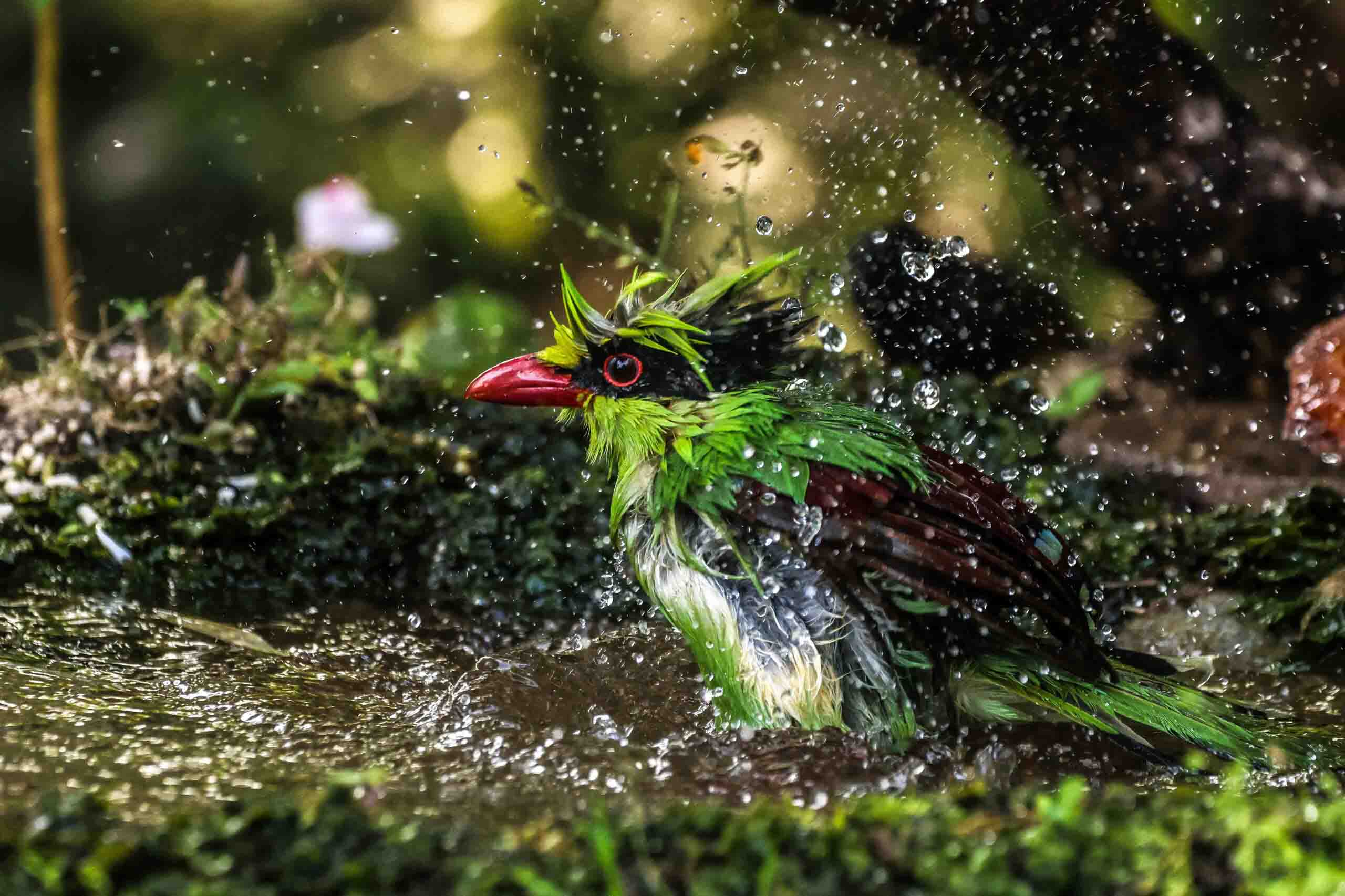
Credit: pixelspeaks.photography
Equipment Choices For Clearer Shots
Choosing the right gear plays a crucial role in reducing noise in your bird photography. Noise can blur the fine details and colors, making your shots look less sharp and vibrant. Investing in equipment designed for clearer, cleaner images can elevate your photography and bring you closer to those perfect bird portraits.
Best Cameras For Low Noise
Cameras with larger sensors typically handle low light better, resulting in less noise at higher ISO settings. Full-frame cameras like the Nikon Z6 II or Sony A7 III are popular among bird photographers for their excellent noise control. Mirrorless models also offer fast autofocus and quiet shutter modes, which help reduce vibrations and noise during shooting.
Have you tried shooting with a crop sensor camera like the Canon EOS 90D? While smaller sensors might struggle a bit more with noise, some newer APS-C models still perform impressively well. The key is to balance budget and performance based on your shooting conditions.
Lens Selection And Its Effect
Choosing the right lens can significantly impact image clarity and noise levels. Fast lenses with wide apertures (f/2.8 or wider) let in more light, allowing you to use lower ISO settings and reduce noise. Telephoto lenses, essential for bird photography, often come with image stabilization which also helps keep your shots sharp.
Consider prime lenses if you want the best sharpness and minimal distortion. Zoom lenses offer flexibility but sometimes sacrifice image quality. Have you noticed how a high-quality 300mm f/2.8 lens can capture crisp feathers even in dim light? That’s the advantage of good glass.
Using Tripods And Stabilizers
Even the best camera and lens can’t compensate for camera shake. Tripods and stabilizers keep your camera steady, allowing for longer exposures without blurring. This stability means you can shoot at lower ISO settings, reducing noise naturally.
Using a tripod also frees you to compose your shot carefully and wait patiently for the perfect moment. If you’re on uneven terrain, a monopod or gimbal stabilizer offers mobility without sacrificing stability. Ask yourself: how often do you miss sharp shots due to hand shake? Investing in stable support can solve this.
Frequently Asked Questions
How Can I Minimize Noise In Bird Photography?
Use a low ISO setting and a tripod to stabilize your camera. Choose a quiet location and shoot during low light to avoid high ISO noise. Use noise reduction software in post-processing for cleaner images.
What Camera Settings Reduce Noise In Bird Photos?
Lower your ISO to 100-400 and use a wider aperture. Increase shutter speed to avoid motion blur but keep ISO low. Shoot in RAW format for better noise control during editing.
Does Using A Tripod Help Reduce Noise?
Yes, a tripod allows slower shutter speeds at low ISO. This reduces noise while keeping the image sharp. It also stabilizes your camera for clearer bird photographs.
How Does Lighting Affect Noise In Bird Photography?
Good lighting lets you use lower ISO settings, reducing noise. Early morning or late afternoon light is ideal. Avoid harsh midday light that forces higher ISO and creates noise.
Conclusion
Reducing noise in bird photography improves your image quality. Use low ISO settings and good lighting. A fast lens helps capture sharp details. Keep your camera steady with a tripod or stable surface. Edit photos carefully to reduce grain without losing detail.
Practice patience and watch your settings closely. Quiet movements also keep birds calm for better shots. Noise reduction makes your photos clear and pleasing. Try these tips to enjoy better bird pictures every time.