
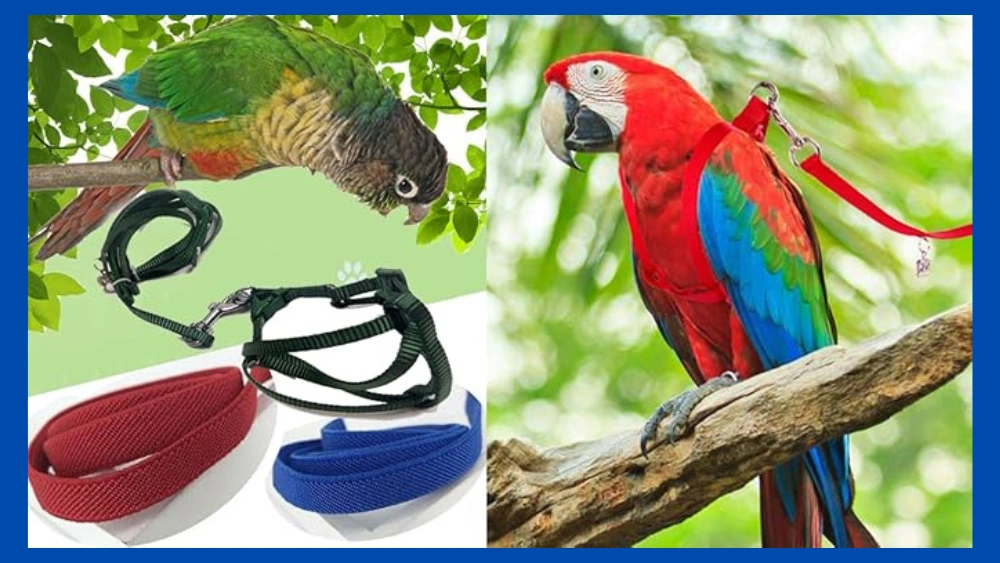
Are you a bird enthusiast eager to ensure your feathered friend experiences the world beyond their cage safely? Putting an aviator harness on your bird can open the door to countless adventures and enrich their life.
But let’s face it—getting that harness on your bird might feel like a daunting task at first. You might worry about their comfort and safety, or even how they’ll react to this new accessory. Imagine the joy of watching your bird soar freely, feeling the wind beneath their wings, all while knowing they’re secure.
This guide will walk you through each step of the process, making it simple and stress-free. By the end of this article, you’ll be equipped with the confidence and knowledge to put an aviator harness on your bird, ensuring they enjoy their newfound freedom while staying safe. Ready to transform your bird’s life? Let’s dive in!
Choosing The Right Harness
Choosing the right harness for your bird is very important. The harness must fit well and keep your bird safe. A good harness lets your bird move comfortably. It also protects the bird during outdoor time. Focus on materials, size, and safety features when selecting a harness.
Materials And Size
Select a harness made from soft, durable material. Nylon and leather are common choices. Nylon is lightweight and easy to clean. Leather is strong and lasts longer but may be heavier.
Size matters a lot. The harness should fit snugly without squeezing. Measure your bird’s chest and neck before buying. Check the product’s size guide carefully. Adjustable straps help get the perfect fit.
Safety Features
Look for a harness with secure fasteners. Buckles or clips should lock firmly but open easily for you. Avoid harnesses with loose strings or sharp edges. Padding on straps can prevent chafing and discomfort.
Reflective or bright colors improve visibility outdoors. This helps keep your bird safe in low light. Choose a harness that allows quick release in emergencies. Safety must always come first for your bird’s comfort and protection.

Credit: www.reddit.com
Preparing Your Bird
Preparing your bird is an important step before fitting an aviator harness. Birds can feel nervous or scared with new objects. Taking time to help your bird feel calm and comfortable makes the process easier. A relaxed bird is more likely to accept the harness without stress. Spend time building trust and slowly introducing the harness to create a positive experience.
Calming Techniques
Speak softly to your bird to create a peaceful environment. Offer gentle pets or scratches if your bird enjoys them. Play soft music or white noise to reduce sudden sounds. Let your bird sit on your hand or shoulder for comfort. Use a quiet room with few distractions to help your bird focus. Deep breathing and slow movements can prevent startling your bird. Give your bird favorite treats to reward calm behavior.
Familiarizing With The Harness
Show the harness to your bird without putting it on. Let your bird explore it by touching or pecking gently. Place the harness near your bird’s cage or perch for several days. Reward curiosity with treats or praise. Hold the harness close during playtime to build positive feelings. Gradually touch the bird with the harness in brief moments. Increase time slowly as your bird grows comfortable with the harness.
Step-by-step Harness Application
Applying an aviator harness to your bird requires care and patience. Each step ensures comfort and safety during flights. Follow the process calmly to help your bird stay relaxed.
Positioning The Harness
Hold your bird gently but firmly. Place the harness on its back, aligning the main strap along the spine. The wings should fit naturally through the harness loops. Check that the harness does not twist or pinch the feathers. Allow enough room so the bird can move comfortably.
Securing Straps Properly
Adjust the straps to fit snugly but not tight. Use the buckles or clips to fasten securely. Make sure no part presses on the bird’s skin. Double-check all connections for safety. The harness should stay in place without restricting breathing or movement.

Credit: www.waterslager.jo
Ensuring Comfort And Safety
Ensuring your bird’s comfort and safety while wearing an aviator harness is the foundation of a positive experience. The harness should feel secure but never restrictive, allowing your bird to move naturally without stress. Paying close attention to these details helps prevent injury and builds trust between you and your feathered friend.
Checking Fit And Movement
Start by gently placing the harness on your bird and observing how it sits. It should be snug enough to stay in place but loose enough to allow free movement of wings and legs.
Watch your bird try to flap its wings or walk around. Is there any sign of awkwardness or discomfort? If your bird struggles or seems tense, the fit needs adjustment.
Look closely at areas where the harness touches the skin. Are there any red marks or pinching? These are signs the harness is too tight or positioned incorrectly. Adjust straps carefully, aiming for a balance between security and ease.
Monitoring Your Bird
After fitting the harness, keep a close eye on your bird for at least 15 to 20 minutes. Notice its breathing, posture, and behavior.
Is your bird calm or trying to shake the harness off? Restlessness might mean discomfort or fear. Sometimes, a bird might freeze, which can indicate stress rather than contentment.
Check regularly for signs of irritation like scratching or pecking at the harness. If you see these, pause and reassess the fit or introduce the harness more gradually next time.
Have you observed any sudden changes in appetite or vocalization when your bird wears the harness? These subtle clues can tell you a lot about how comfortable your bird really feels.

Credit: www.reddit.com
Frequently Asked Questions
How Do I Fit An Aviator Harness On My Bird?
To fit an aviator harness, first measure your bird’s chest and wings. Gently place the harness over the wings, then secure the straps comfortably without restricting movement. Ensure the harness fits snugly but allows breathing and flying.
What Size Aviator Harness Suits Different Bird Types?
Choose a harness size based on your bird’s chest circumference and wing length. Small birds need smaller harnesses, while larger birds require bigger ones. Always check the manufacturer’s size chart for the best fit.
Can Birds Fly Safely With An Aviator Harness?
Yes, birds can fly safely if the harness fits well. The harness should not restrict wing movement or cause discomfort. Always supervise your bird during initial flights to ensure safety.
How Often Should I Check The Aviator Harness Fit?
Check the harness fit before every outing. Birds can grow or change shape, so regular adjustments ensure comfort and safety. Look for signs of chafing or looseness.
Conclusion
Putting an aviator harness on your bird takes patience and care. Start slow and make sure your bird feels safe. Check the fit often to keep your bird comfortable. Practice regularly to help your bird get used to it. A well-fitted harness lets your bird explore outdoors safely.
Remember, gentle handling builds trust between you and your bird. With time, wearing the harness will become normal for your feathered friend. Keep these steps in mind for a happy, secure bird.