

If you’ve ever admired the lush, vibrant leaves of a Bird’s Nest Fern and wished you could grow more, you’re in the right place. Propagating this beautiful plant may seem tricky, but with the right steps, you can easily multiply your green collection.
Imagine turning one fern into several, brightening every corner of your home. In this guide, you’ll discover simple, effective ways to propagate your Bird’s Nest Fern and watch it thrive. Ready to become a plant pro? Let’s dive in!
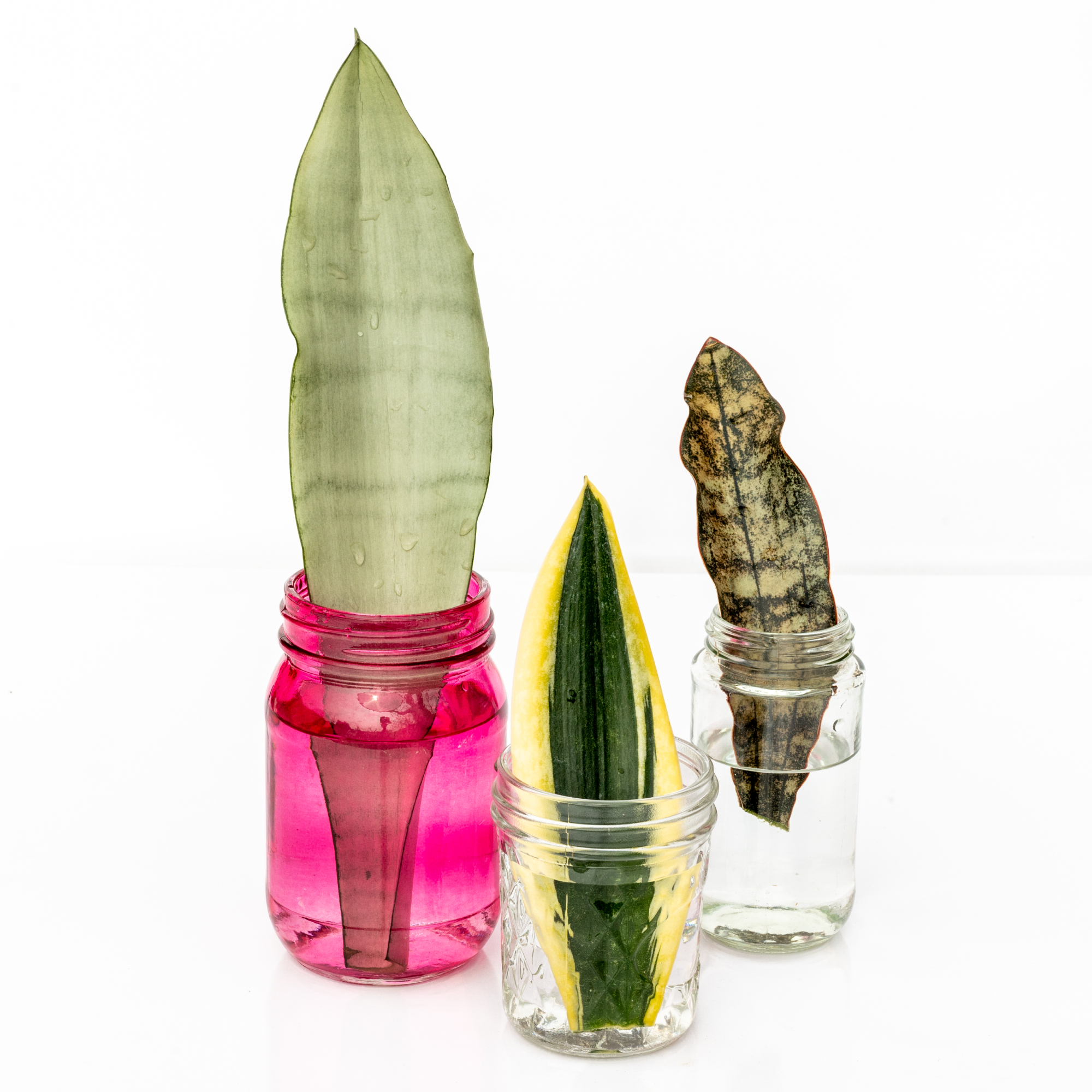
Credit: www.gardeningknowhow.com
Choosing The Right Propagation Method
Choosing the right propagation method for Bird’s Nest Fern is important. It helps you grow healthy new plants. Each method has its own benefits and challenges. Understanding these will make propagation easier and more successful.
Some methods are faster and simpler. Others take more time but can produce many new plants. Consider your experience level and available tools before starting.
Division
Division is the easiest way to propagate Bird’s Nest Fern. It involves separating the plant’s root ball into smaller sections. Each section must have roots and leaves. This ensures the new plant will grow well.
Use a clean, sharp knife or garden shears to cut. Be gentle to avoid damaging the roots. Plant each section in fresh, well-draining soil. Keep the soil moist but not soggy. Division works best in spring or early summer.
Spores
Spores are tiny reproductive cells found under the fern’s leaves. Propagating from spores takes patience. The process can take several months or longer. It starts with collecting spores from mature leaves.
Spread the spores on a moist, sterile growing medium. Keep the container covered to maintain humidity. Place it in indirect light and a warm spot. Once small fern plants appear, transplant them carefully.
This method creates many new plants but needs more care. Spores are ideal for those who enjoy detailed gardening work.

Credit: www.youtube.com
Preparing Your Tools And Materials
Preparing your tools and materials is a crucial first step to successfully propagate your Bird’s Nest Fern. Having everything ready saves time and helps avoid mistakes during the delicate process. It also ensures your fern stays healthy and thrives after propagation.
Selecting Healthy Plants
Choose a Bird’s Nest Fern that looks vibrant and strong. Avoid plants with yellowing or browning leaves, as these signs often point to underlying health issues. Look for new growth and firm, glossy fronds—these indicate a healthy plant ready to share its roots.
Check the base of the plant carefully. Is it free from pests or mold? A clean, pest-free fern will give you the best chance of successful propagation.
Gathering Supplies
Get these essential tools before starting your propagation:
- Sharp, clean pruning shears or scissors
- Gloves to protect your hands
- Small pots or containers with drainage holes
- Well-draining potting mix suitable for ferns
- Water spray bottle for gentle watering
- Rooting hormone (optional but helpful)
Having these ready keeps you from scrambling mid-process. Do you have all the tools you need within reach? A little preparation can save a lot of frustration.
Step-by-step Propagation Process
Propagating your Bird’s Nest Fern can be a rewarding experience, allowing you to grow new plants from your existing one. The process involves careful division and replanting, which helps the fern thrive and expand. Let’s break down the steps into clear actions you can take right now.
Dividing The Fern
Start by gently removing the fern from its pot to avoid damaging the roots. Look for natural divisions where the plant has multiple crowns or smaller rosettes. These sections are the ideal spots to separate the fern into smaller plants.
Using a clean, sharp knife or garden shears, carefully cut through the root ball to divide the fern. Each division should have a healthy portion of roots and leaves to ensure it can grow independently. If you notice any damaged or rotten roots, trim them away to prevent future problems.
Have you ever wondered how delicate the root system of a fern really is? Handling it with care during this step makes all the difference in successful propagation.
Planting And Potting
Once divided, prepare pots with well-draining, rich potting soil. A mix designed for ferns or indoor plants works best to provide the right moisture and aeration. Fill the pots halfway with soil before placing the new divisions inside.
Position each fern division in its pot, spreading the roots gently. Add more soil around the roots until the pot is full, pressing lightly to eliminate air pockets. Water the plant thoroughly but avoid waterlogging the soil.
Place the newly potted ferns in a location with indirect light and high humidity. Mist the leaves regularly or use a humidity tray to mimic their natural environment. Have you noticed how quickly ferns respond to proper humidity? It’s a simple trick that makes a big impact.

Credit: sanjaynursery.com
Caring For New Bird’s Nest Ferns
Caring for new Bird’s Nest Ferns requires attention to their unique needs right from the start. These delicate plants thrive under specific conditions that encourage healthy growth and vibrant fronds. Understanding how to properly water, provide the right light and humidity, and avoid common problems will help your fern establish itself quickly.
Watering Tips
New Bird’s Nest Ferns appreciate consistently moist soil, but overwatering can cause root rot. Check the top inch of soil—if it feels dry, it’s time to water. Use room-temperature water and pour it evenly around the base, avoiding the center rosette to prevent water buildup.
Do you notice your fern’s fronds turning yellow or brown? That could be a sign of too much or too little water. Adjust your watering schedule accordingly to keep the soil damp but not soggy.
Light And Humidity Needs
These ferns prefer indirect, filtered light rather than direct sunlight, which can scorch their leaves. A spot near a north or east-facing window often works well. If natural light is limited, you can use fluorescent or LED grow lights for 10-12 hours daily.
Humidity plays a crucial role in their health. Aim for at least 50% humidity. You can increase moisture by misting the leaves daily, placing a humidifier nearby, or setting the pot on a tray filled with water and pebbles.
Preventing Common Issues
Watch out for pests like scale and mealybugs, which can hide under the leaves. Wipe the fronds gently with a damp cloth and inspect regularly. If pests appear, treat the plant with insecticidal soap or neem oil promptly.
Leaf browning often signals low humidity or inconsistent watering. Avoid cold drafts and sudden temperature changes, as they stress the fern. How often do you check your fern’s environment? Small daily observations can prevent big problems.
Frequently Asked Questions
How Do You Start Propagating A Bird’s Nest Fern?
To propagate a Bird’s Nest Fern, start by dividing the plant. Gently remove it from its pot and separate the roots. Ensure each section has healthy roots and leaves. Replant each section in fresh soil. Water thoroughly and place in a humid, shaded area.
Can Bird’s Nest Fern Grow From Spores?
Yes, Bird’s Nest Fern can grow from spores. Collect spores from mature fronds and sprinkle them on moist soil. Cover with plastic to maintain humidity. Place in indirect light and keep the soil moist. Germination can take several weeks, so patience is necessary.
What Soil Is Best For Bird’s Nest Fern?
Bird’s Nest Fern thrives in well-draining, rich soil. Use a mix of peat moss, perlite, and orchid bark for optimal growth. This mix retains moisture while providing good drainage. Ensure the soil is slightly acidic to neutral for best results.
How Often Should I Water A Bird’s Nest Fern?
Water your Bird’s Nest Fern regularly, keeping the soil consistently moist. Avoid letting the soil dry out completely. During warmer months, you might need to water more frequently. Always ensure proper drainage to prevent root rot and maintain humidity around the plant.
Conclusion
Propagating Bird’s Nest Fern is simple and rewarding. Choose healthy leaves or pups for best results. Keep the soil moist but not soggy. Place the plant in indirect light for steady growth. Watch new fronds appear in a few weeks.
With patience, your fern will thrive and multiply. Give your home a fresh, green touch. Enjoy the beauty of your growing Bird’s Nest Fern. Keep practicing, and your skills will improve. Gardening is about care, time, and joy.