

Are you frustrated with watching your sunflower seeds disappear before your very eyes? You’re not alone.
Many gardeners and bird enthusiasts face the same challenge. You plant your sunflower seeds with care, only to find that they’ve become a feast for the local bird population. But don’t worry; there are ways to protect your seeds and ensure your plants thrive.
Imagine the satisfaction of seeing your sunflowers in full bloom, knowing that you’ve outsmarted those pesky seed thieves. You’ll discover practical and effective strategies to keep birds from gobbling up your sunflower seeds, allowing you to enjoy a garden full of vibrant, healthy sunflowers. Curious to learn how? Let’s dive in.
Why Birds Target Sunflower Seeds
Birds are naturally drawn to sunflower seeds. These seeds offer a rich source of energy and nutrients. Their high oil content makes them a favorite snack for many bird species. Birds rely on seeds like these to survive, especially in colder months.
Sunflower seeds are easy to spot. Their black and white shells stand out against green plants. Birds find it simple to pick these seeds from feeders or gardens. The seeds also provide essential fats and proteins that help birds stay healthy and active.
High Nutritional Value
Sunflower seeds contain fats, proteins, and vitamins. These nutrients give birds energy for flying and staying warm. Birds need these nutrients daily. Sunflower seeds are a quick and efficient food source.
Easy Access And Visibility
Sunflower seeds are often placed in bird feeders. Their bright shells make them easy for birds to find. Birds can eat them quickly without much effort. This convenience attracts many different bird species.
Preferred By Many Bird Species
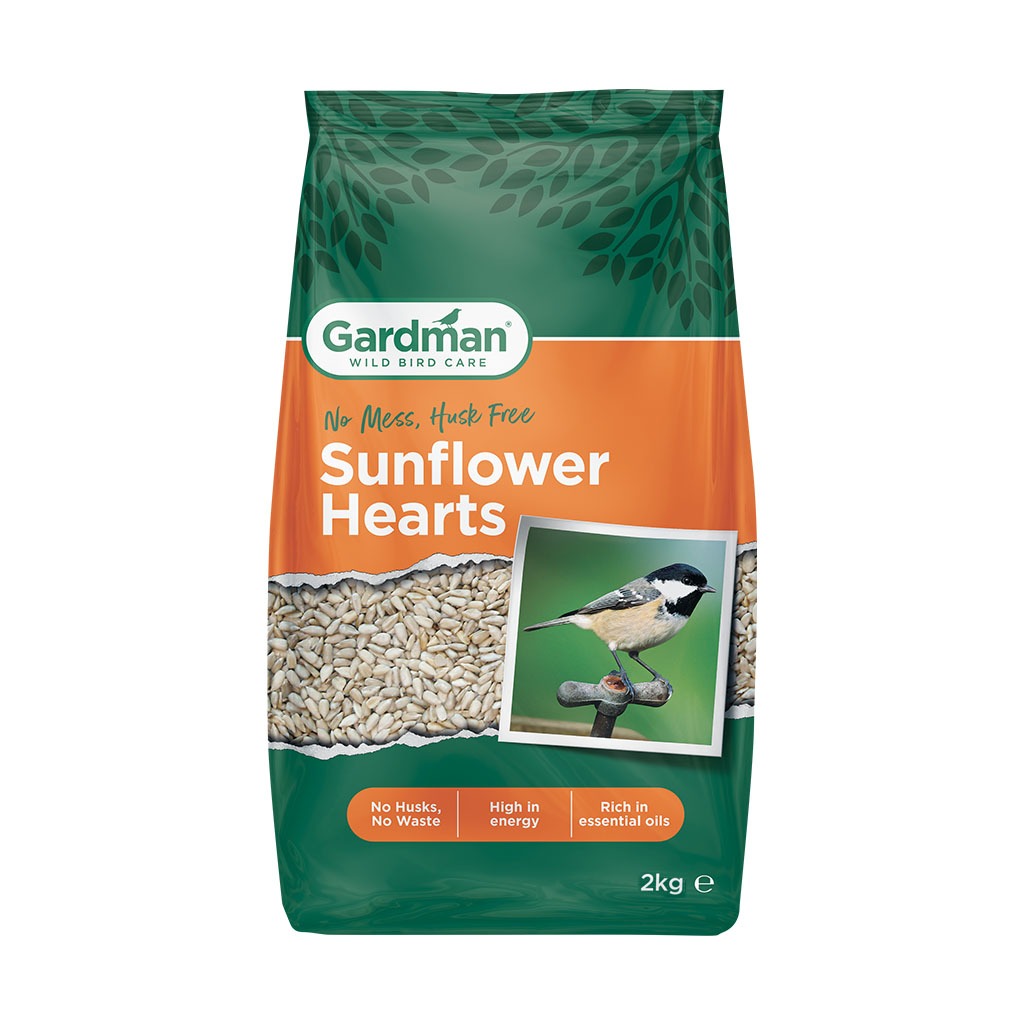
Several common birds love sunflower seeds. Finches, chickadees, and cardinals are some examples. These birds recognize sunflower seeds as a reliable food source. Their preference makes sunflower seeds a popular choice in bird feeding.
Credit: www.gardenhealth.com
Physical Barriers To Protect Seeds
Protecting sunflower seeds from birds is easier with physical barriers. These barriers block birds from reaching the seeds. They create a safe space for seeds to grow and mature. Using simple tools can keep your sunflower seeds safe and sound.
Netting And Screens
Netting is a thin mesh that covers the sunflower heads or seed pods. It stops birds from landing and eating the seeds. Choose netting with small holes to keep out even small birds.
Screens work like netting but can be sturdier. Place screens over plants to shield seeds from hungry birds. Secure the edges well to prevent birds from slipping under.
- Use bird netting made of nylon or plastic
- Cover plants completely with netting or screens
- Attach with clips, ties, or stakes to hold firmly
Seed Covers And Cloches
Seed covers protect individual sunflower heads. They are like small cages or domes placed over the seeds. Cloches create a mini greenhouse effect too, helping seeds grow.
Cloches and covers come in plastic or wire forms. They keep birds away while letting sunlight and air through. Use them especially when seeds start to form and need extra care.
- Choose covers that fit snugly around sunflower heads
- Check covers regularly for damage or gaps
- Remove covers once seeds are safe or ready to harvest
Natural Deterrents For Birds
Keeping birds away from your sunflower seeds can be challenging, but natural deterrents offer gentle and effective solutions. These options protect your seeds without harming the birds or the environment. Let’s look at some simple ways you can discourage birds using nature itself.
Repellent Plants
Certain plants naturally repel birds with their smell or taste. Adding these around your sunflower patch creates a barrier birds tend to avoid.
- Marigolds:Their strong scent can keep birds at bay while brightening your garden.
- Lavender:Besides smelling great to you, it’s unpleasant to many birds.
- Mint:Its sharp aroma deters birds, plus it’s easy to grow and maintain.
I once planted marigolds around my sunflowers, and it noticeably reduced bird visits. Have you tried pairing your seeds with repellent plants yet? It’s a low-effort step that can make a big difference.
Scare Devices
Visual and sound scare devices trick birds into thinking the area is unsafe. These tools tap into bird instincts, encouraging them to look elsewhere for food.
- Reflective tape:Birds dislike sudden flashes of light, so hanging reflective strips can keep them away.
- Fake predators:Decoys like owls or hawks can scare smaller birds off your seeds.
- Wind chimes or noise makers:Unfamiliar sounds disrupt bird feeding habits and make them cautious.
One season, I used a shiny tape near my sunflowers, and the constant glinting scared the birds enough to give my seeds a break. Could a simple scare device be the answer for your garden?
Credit: primenut.ae
Alternative Feeding Options For Birds
Providing alternative feeding options helps protect your sunflower seeds. Birds need food, but they do not always have to eat your seeds. Offering other choices keeps birds happy and away from your plants. It also encourages birds to visit specific spots you set up. This way, you can enjoy both your garden and the birds.
Dedicated Bird Feeders
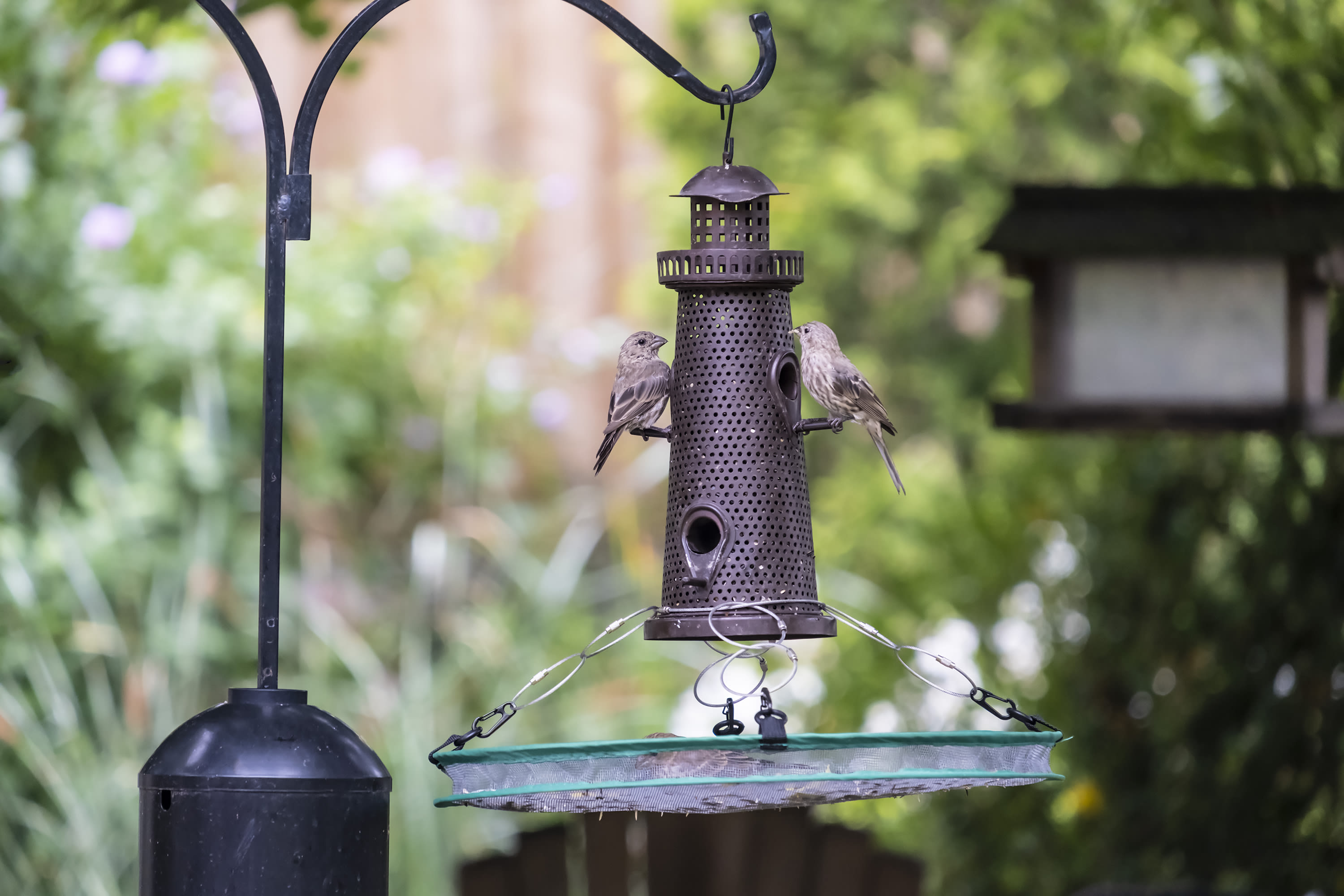
Set up bird feeders away from your sunflower plants. Use feeders designed for different bird types. Place them in safe, visible spots for birds to find easily. Keep feeders clean to avoid disease. Refill them regularly with bird-friendly food. This draws birds to the feeders instead of your garden.
Offering Safe Food Choices
Choose seeds and foods birds like that are safe and healthy. Try black oil sunflower seeds, millet, or cracked corn. These options attract many bird species. Avoid foods with salt, sugar, or chemicals. Fresh fruits like apples and berries also work well. Safe food keeps birds well-fed and less interested in your sunflower seeds.
Credit: dengarden.com
Frequently Asked Questions
How Can I Stop Birds From Eating Sunflower Seeds?
Use physical barriers like netting or mesh to protect seeds. You can also plant decoy plants to distract birds from your sunflower seeds.
What Natural Repellents Keep Birds Away From Sunflower Seeds?
Birds dislike certain smells like garlic, chili, and peppermint. Spraying these natural repellents around your seeds can deter birds effectively.
Are Bird Feeders Helpful To Prevent Sunflower Seed Loss?
Yes, providing bird feeders with alternative food can reduce birds eating your sunflower seeds. This keeps birds fed and away from your plants.
Does Covering Sunflower Seeds Reduce Bird Damage?
Covering seeds with garden fabric or bird netting prevents birds from accessing them. This method is simple and highly effective for seed protection.
Conclusion
Protecting sunflower seeds from birds takes some care and patience. Use simple barriers or bird feeders to keep birds away. Changing your garden routine can also help. Try different methods to find what works best for you. Keep watching and adjusting your efforts regularly.
Enjoy your sunflower seeds without worry. Small actions can make a big difference. Stay patient and consistent for the best results.