

Imagine discovering a delicate bird’s nest nestled in your backyard. It’s a work of art, woven with care by nature’s architects.
How do you preserve this marvel without damaging its intricate beauty? You’ve come to the right place! Whether you’re a nature enthusiast or simply curious, preserving a bird’s nest can be a rewarding experience. This guide will reveal simple yet effective steps to help you maintain its charm for years to come.
By the end of this article, you’ll feel confident in your ability to protect these natural wonders. Let’s dive in and unlock the secrets to preserving bird nests with ease.
Choosing Quality Bird’s Nest
Choosing quality bird’s nest is key to preserving its health benefits and flavor. A good nest lasts longer and tastes better. It also needs less cleaning and preparation. Focus on nests that look natural and pure.
Identifying Genuine Nests
Real bird’s nests come from swiftlets and have natural patterns. They are translucent with a slightly curved shape. Fake nests often look too white or perfectly shaped. Genuine nests feel light and fragile, not hard or plastic-like.
Assessing Freshness And Cleanliness
Fresh nests have a mild smell and a soft texture. Avoid nests with a strong fishy or chemical odor. Check for dirt, feathers, or mold spots on the nest. Clean nests have fewer impurities and need less washing before use.

Credit: www.reddit.com
Proper Cleaning Techniques
Proper cleaning is essential to keep bird’s nests safe and durable. Dirt, dust, and tiny feathers can affect the nest’s quality. Cleaning gently preserves the nest’s natural shape and texture. Use careful techniques that protect the nest while removing unwanted particles.
Soaking And Rinsing
Start by soaking the bird’s nest in clean, cold water. Use a shallow bowl to avoid damage. Soak for about 30 minutes to loosen dirt and debris. Avoid hot water as it can weaken the nest fibers.
After soaking, rinse the nest under running cold water. Hold it gently to prevent breaking. Rinse until the water runs clear. This step removes dust and small particles without harming the nest.
Removing Impurities
Inspect the nest carefully for impurities like feathers or dirt bits. Use tweezers or a soft brush to remove these gently. Work slowly to avoid tearing the delicate strands.
Do not use harsh chemicals or soaps. They can damage the nest and reduce its value. Natural cleaning keeps the nest pure and safe for use.
Effective Storage Methods
Preserving birds’ nests properly ensures they maintain their quality and nutritional value over time. Effective storage methods protect these delicate items from moisture, pests, and environmental changes. Understanding the best ways to store birds’ nests can save you from losing their precious benefits.
Using Airtight Containers
Airtight containers are essential for keeping birds’ nests fresh. They prevent exposure to air, which can cause the nests to dry out or absorb unwanted odors.
Choose containers made of glass or high-quality plastic with a secure seal. I once stored nests in loosely covered jars and noticed they lost their texture quickly. Switching to airtight containers made a noticeable difference in preserving their natural aroma and shape.
- Ensure containers are clean and dry before use.
- Label containers with the date of storage.
- Avoid frequent opening to maintain the sealed environment.
Optimal Temperature And Humidity
Temperature and humidity play a critical role in storing birds’ nests. Too much moisture can lead to mold, while excessive dryness can make them brittle.
Keep nests in a cool, dry place with temperatures between 15°C to 25°C (59°F to 77°F). Humidity levels should ideally stay below 60% to prevent mold growth. I learned this the hard way after storing a batch in a damp area, which caused them to spoil faster than expected.
- Use a dehumidifier if you live in a humid climate.
- Store nests away from direct sunlight or heat sources.
- Regularly check for signs of moisture or mold.
Have you checked your storage conditions recently? Small adjustments could extend the shelf life of your birds’ nests dramatically.
Maintaining Freshness Over Time
Keeping a bird’s nest fresh over time requires consistent care and attention. The natural materials in the nest can degrade or attract pests if not monitored regularly. You want to make sure your nest stays in its best condition without losing its natural beauty or structural integrity.
Regular Inspection Tips
Check your bird’s nest at least once a week. Look for signs of mold, pests, or any physical damage. Early detection can save the nest from serious harm.
Use a gentle flashlight to inspect hidden corners without disturbing the nest too much. Also, note any changes in color or texture. These could indicate moisture buildup or decay.
Ask yourself: Does the nest still look sturdy and clean? If not, it might be time to take action before the damage worsens.
Avoiding Common Preservation Mistakes
One common error is exposing the nest to direct sunlight for long periods. This can dry out the natural fibers and cause brittleness. Keep the nest in a cool, shaded area instead.
Another mistake is using harsh chemicals or sprays to clean the nest. These can harm the delicate materials and even leave toxic residues. Opt for natural cleaning methods like gentle brushing or using a soft cloth.
Don’t store the nest in a plastic bag or airtight container without proper ventilation. Trapped moisture can lead to mold growth quickly. Instead, use breathable fabric bags or boxes with small air holes.
Have you ever thought about how the environment around the nest affects its longevity? Small adjustments in storage can make a big difference in maintaining freshness.
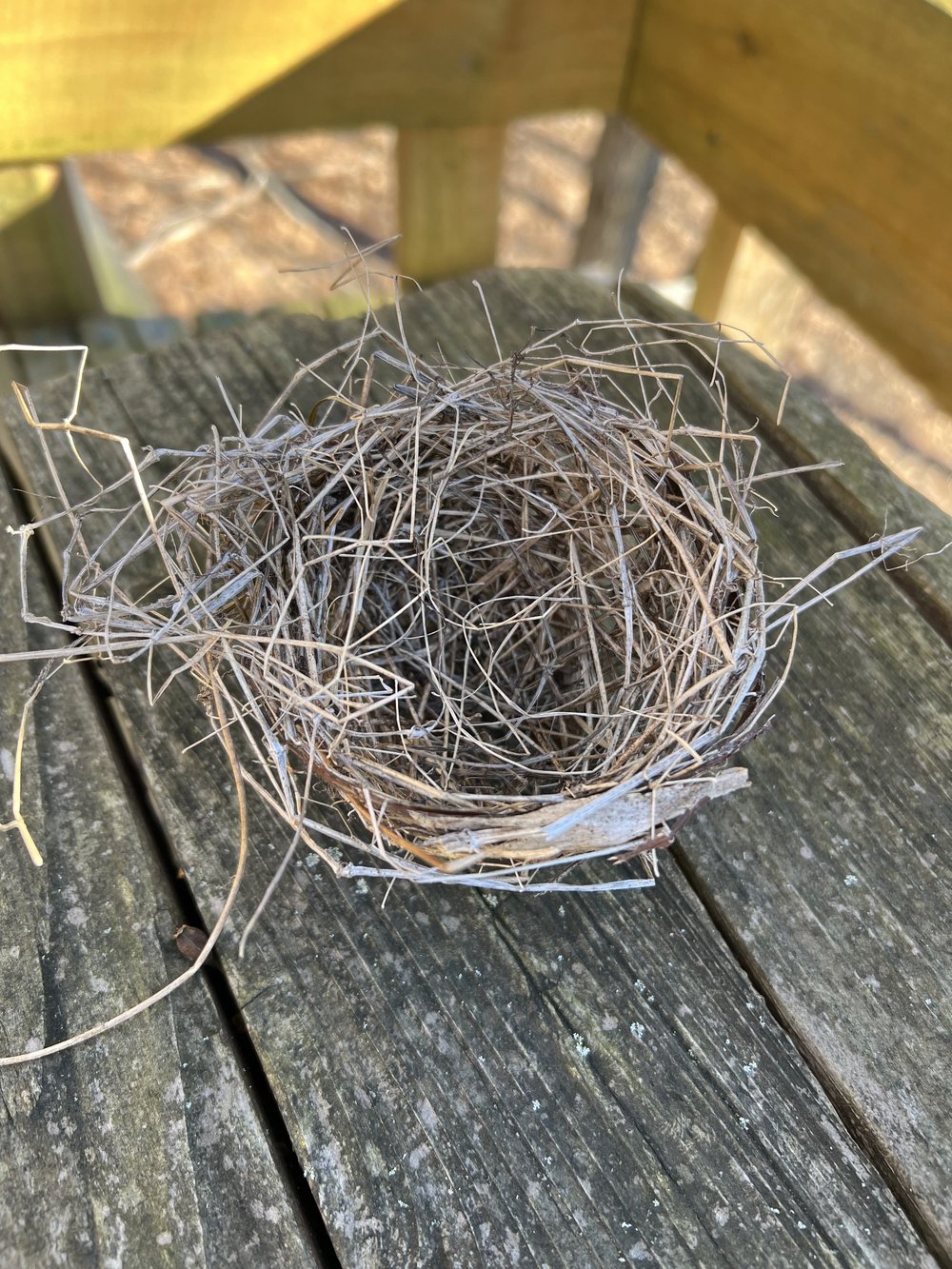
Credit: www.elevenmilefarm.com
Frequently Asked Questions
How Do I Clean A Bird’s Nest Safely?
Clean bird’s nests gently using a soft brush or cloth. Avoid harsh chemicals to preserve the nest’s structure and materials. Use mild soap if necessary, then air dry completely before storing.
What Is The Best Way To Store A Bird’s Nest?
Store bird’s nests in a dry, cool place away from direct sunlight. Use an airtight container to prevent moisture and pests. Proper storage maintains the nest’s shape and longevity.
Can I Preserve A Bird’s Nest For Display?
Yes, you can preserve bird’s nests for display by cleaning and drying them thoroughly. Use a protective spray like clear acrylic to maintain shape and prevent damage.
How Long Can A Preserved Bird’s Nest Last?
A well-preserved bird’s nest can last for years if stored properly. Avoid humidity, direct sunlight, and pests to ensure long-term preservation.
Conclusion
Preserving bird nests takes care and attention. Keep nests dry and clean to avoid damage. Store them in a cool, safe place away from direct sunlight. Handle nests gently to maintain their shape and structure. Regularly check for signs of mold or pests.
Simple steps can help keep nests beautiful and intact. Enjoy the natural beauty of bird nests for years to come. Small efforts make a big difference in preservation. Protect these delicate treasures with patience and care.