

Have you ever found a beautiful bird nest and wondered how to keep it safe and intact? Preserving a bird nest can be a rewarding way to connect with nature and protect a tiny piece of wildlife history.
But if you’re not sure where to start, don’t worry—you’re in the right place. You’ll discover simple, effective steps to preserve a bird nest so it stays as lovely as the day you found it. Keep reading, and you’ll learn how to protect your special find with ease and care.
Choosing The Right Nest
Choosing the right bird nest to preserve is a crucial step that sets the foundation for your entire project. Not all nests are created equal, and selecting one that holds both sentimental and structural value will make your preservation efforts more rewarding. Think about what story the nest tells and how it will look once preserved—this will guide your choice effectively.
Understanding Nest Types And Materials
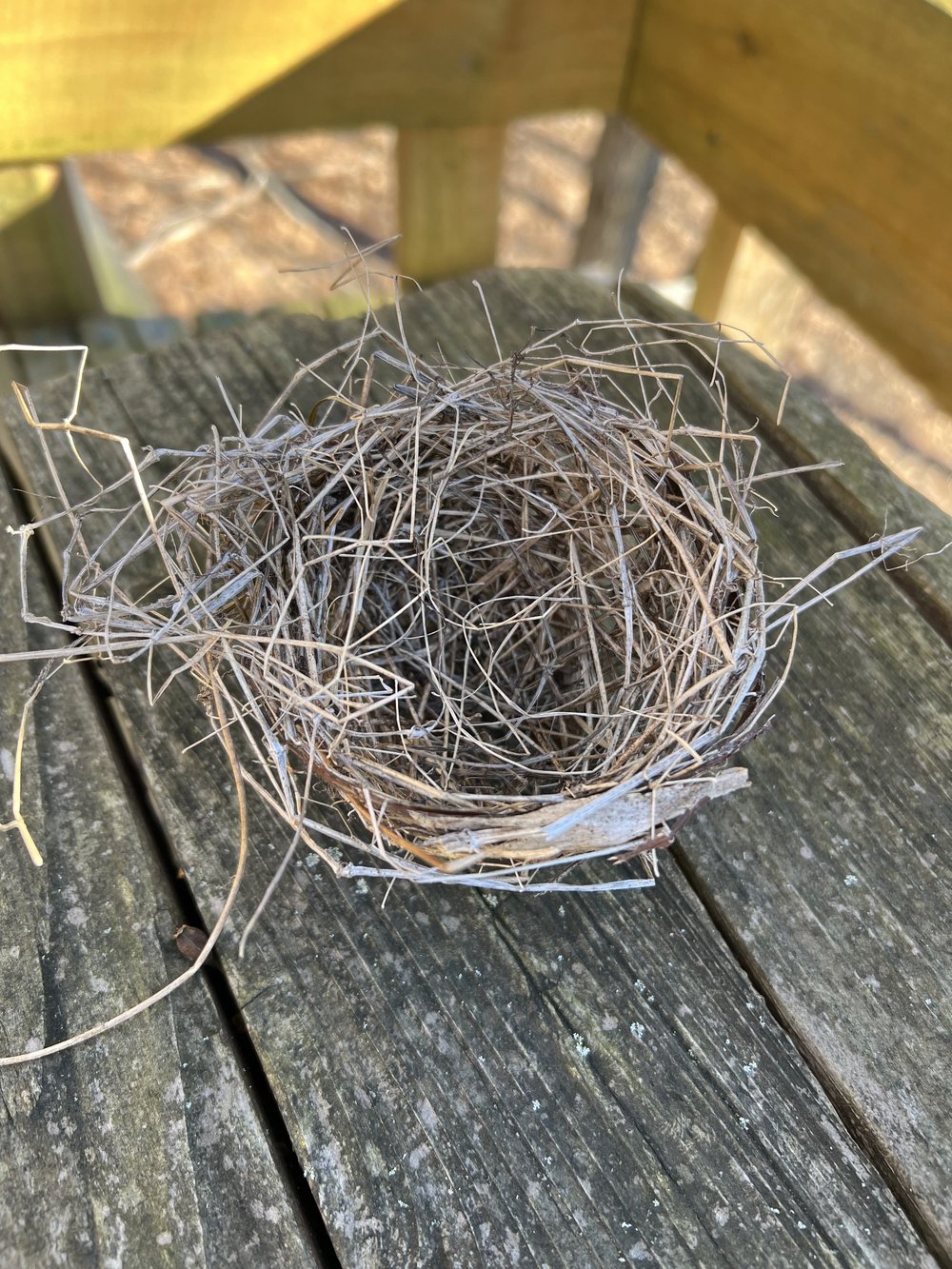
Bird nests come in various shapes and materials. Some are made with twigs and leaves, while others use mud, feathers, or even spider silk. Identifying the materials helps you anticipate how fragile the nest might be and what preservation techniques will work best.
Have you ever held a nest that felt like it could crumble at any moment? That fragile feeling is a sign to handle it with extra care or perhaps choose a sturdier one for your first attempt.
Assessing Nest Condition And Integrity
Look closely at the nest’s current condition. Is it intact or partially broken? A nest with most of its structure still in place will be easier and more satisfying to preserve.
Sometimes, a slightly imperfect nest can add character, but if too damaged, it might lose its shape during preservation. Ask yourself if you want a pristine display or something that tells a story of nature’s resilience.
Considering Legal And Ethical Factors
Before taking any nest, check local laws. Many places protect bird nests, especially during breeding seasons. Protecting wildlife means choosing nests that are abandoned and safe to collect.
Ethical collecting ensures you respect nature while enjoying your hobby. Can you find a nest that doesn’t disturb the birds or their habitat? That’s the nest worth preserving.
Finding Nests That Match Your Display Goals
Think about where and how you want to display the nest. Do you want a small, delicate nest for a shadow box or a larger one for a centerpiece? Selecting a nest that fits your space and style makes your preservation project much more satisfying.
Imagine the nest as part of your home decor. Does its size and shape complement your vision? This practical step helps avoid surprises later.

Credit: www.reddit.com
Cleaning And Preparing The Nest
Cleaning and preparing a bird nest is important for preservation. It removes dirt, pests, and keeps the nest safe for display or study. A clean nest lasts longer and shows its natural beauty well.
Handle the nest gently to avoid breaking fragile parts. Use soft tools and mild cleaning methods to keep it intact.
Inspecting The Nest For Damage And Debris
Look closely at the nest for broken twigs or loose material. Remove leaves, feathers, or dirt stuck inside. Check for tiny bugs or signs of mold. Use a soft brush to clear away dust without harming the structure.
Cleaning With Gentle Tools And Solutions
Use a soft paintbrush or cotton swabs to clean small areas. Avoid harsh chemicals that can damage the nest. A mild soap solution or water with a drop of vinegar works well. Dab gently and do not soak the nest, as water weakens it.
Drying And Stabilizing The Nest
Let the nest dry completely in a shaded, airy spot. Avoid direct sunlight to prevent fading or warping. Use a gentle fan to speed drying if needed. After drying, reinforce weak areas with natural glue or thread if required.
Storage Techniques For Longevity
Storing a bird nest properly is key to keeping it intact and beautiful over time. The right storage techniques protect it from damage, pests, and environmental changes that can cause deterioration. Let’s explore practical ways to preserve your nest for the long haul.
Choosing The Right Container
Pick a container that fits the bird nest comfortably without squeezing or bending it. A sturdy box with a lid works well to keep dust and insects out. Clear plastic or glass containers allow you to admire the nest without handling it too much.
Make sure the container is clean and dry before placing the nest inside. Adding soft padding, like acid-free tissue paper or cotton, can cushion the nest and prevent shifting during storage.
Controlling Temperature And Humidity
Bird nests are sensitive to moisture and temperature changes. Store your nest in a cool, dry place away from direct sunlight or heat sources. Excess humidity can cause mold growth, while extreme dryness might make the nest brittle.
Use silica gel packets or moisture absorbers inside the storage container to keep humidity levels low. Have you checked the humidity in your storage area lately?
Protecting Against Pests
Insects and rodents can damage bird nests quickly. To deter pests, seal your storage container tightly. You might also consider placing natural repellents, like dried lavender or cedar chips, nearby.
Regularly inspect the nest for any signs of damage or pest activity. Early detection saves the nest from serious harm.
Labeling And Documentation
Keep track of your nests by labeling each container with details like the bird species, collection date, and location. This helps you stay organized and adds value to your collection.
Including a photo or a short note inside the container can remind you of the nest’s story without needing to open it often.
Credit: www.elevenmilefarm.com
Handling And Maintenance Tips
Handling and maintaining a bird nest carefully keeps it safe and beautiful. Proper care stops damage and helps the nest last longer. Follow simple steps to protect the nest from wear and tear.
Wear Gloves When Handling
Always wear clean gloves before touching the bird nest. Oils and dirt from hands can harm the nest’s delicate materials. Gloves also protect you from bacteria or parasites that might be present.
Keep The Nest Dry
Moisture damages the nest’s structure. Store the nest in a dry place away from humidity. Use silica gel packs nearby to absorb excess moisture if needed.
Store In A Safe Container
Use a sturdy box or container for storage. Make sure the container is large enough to avoid squashing the nest. A clear container helps you check the nest without opening it often.
Avoid Direct Sunlight
Sunlight can fade colors and weaken materials. Keep the nest in a shaded area or inside a cabinet. Avoid windows or places that get strong sunlight during the day.
Clean Gently
Use a soft brush to remove dust and dirt. Do not use water or cleaning chemicals. Handle the nest with care to avoid breaking any parts.
Check Regularly For Damage
Inspect the nest every few weeks. Look for signs of damage or pests. Early detection helps fix problems before they get worse.
Frequently Asked Questions
How Do You Safely Preserve A Bird Nest?
To safely preserve a bird nest, first ensure it’s abandoned. Gently clean it using a soft brush. Then, spray it with a mild disinfectant. Allow it to dry completely in sunlight. Store it in a dry, cool place, away from direct sunlight.
Can I Keep A Bird Nest At Home?
Yes, you can keep a bird nest at home if it’s abandoned. Ensure it’s clean and free from pests. Display it in a safe, dry location. Always check local wildlife laws before keeping nests, as some regions have restrictions.
What Materials Are Needed For Bird Nest Preservation?
For bird nest preservation, you’ll need a soft brush, mild disinfectant, and protective gloves. These materials help in cleaning and disinfecting the nest. Additionally, a box or display case can be used for storing the preserved nest safely.
Why Is Preserving Bird Nests Important?
Preserving bird nests offers educational and scientific value. It helps in studying bird behavior, nesting habits, and materials used. Nests can also serve as decorative pieces or be part of a natural history collection. Always ensure preservation is done ethically and legally.
Conclusion
Preserving a bird nest takes care and patience. Use gentle cleaning methods to keep it safe. Store the nest in a dry, cool place. Avoid harsh chemicals that can damage it. Handle the nest with clean hands to protect its structure.
Watch for signs of mold or decay regularly. Enjoy the beauty and history each nest holds. Small efforts help keep nature’s treasures alive longer. Keep these tips in mind for your next nest project.