

Imagine turning an old bird cage into a stunning flower display that brings a touch of whimsy to your garden or home. It’s easier than you think!
With a bit of creativity and some simple steps, you can transform a forgotten item into a conversation starter that captivates everyone who sees it. You don’t need to be a gardening expert to create this masterpiece. Whether you want to brighten up your patio or add a unique piece to your indoor decor, learning how to plant flowers in a bird cage is a fun and rewarding project.
Dive into this guide to discover how you can unleash your inner gardener and create a floral display that’s as unique as you are. Ready to get your hands dirty and let your creativity bloom? Let’s dig in!
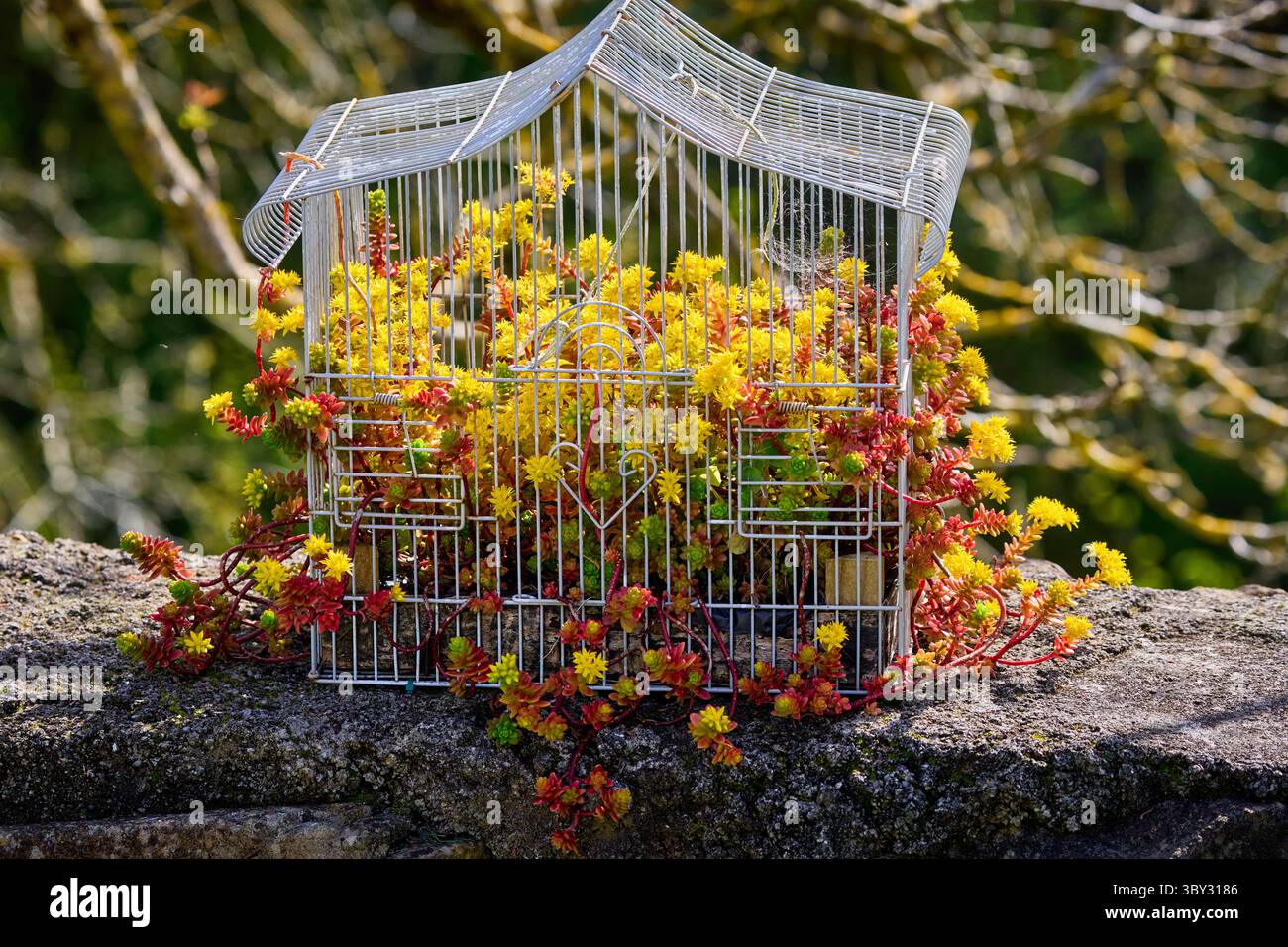
Credit: www.alamy.com
Choosing The Right Bird Cage
Choosing the right bird cage for planting flowers is more important than you might think. The cage will serve as both a planter and a decorative feature, so its material and size directly affect the health of your plants and the overall look. Picking a cage that suits your space and the type of flowers you want to grow makes your gardening experience much easier and more enjoyable.
Material And Size Considerations
Start by thinking about the material of the bird cage. Metal cages are sturdy and offer good support for heavier pots or soil, but they can heat up quickly in the sun, which might harm delicate roots. Wooden cages provide natural insulation but need to be treated to resist moisture and decay.
Size matters too. A cage that’s too small limits how many plants you can grow and restricts root space. Larger cages give you more freedom but require more soil and maintenance. Imagine your favorite flowers—do they need room to spread or can they thrive in tight spaces?
- Choose a cage with enough height and width for your flower pots.
- Consider cages with removable trays or shelves for easier watering and cleaning.
- Look for cages with enough ventilation to avoid mold build-up.
Preparing The Cage For Planting
Once you have the right cage, prepare it to hold your flowers safely. Clean the cage thoroughly to remove dust, rust, or old paint that could harm the plants. If the cage has large gaps, line it with burlap or moss to keep soil from falling out.
Protect the cage from rust or water damage by applying a waterproof sealant suitable for the material. This step prevents the cage from deteriorating quickly and keeps your plants safe. Think about how you’ll water your flowers—adding a plastic liner or small pots inside the cage can make the process cleaner and more controlled.
Have you checked how easy it will be to move or hang the cage once it’s planted? Mobility might save your plants from extreme weather and help you change your garden’s look whenever you want.
Selecting Suitable Flowers
Choosing the right flowers for your bird cage garden sets the foundation for success. Not every flower thrives in the confined space and unique environment of a bird cage. You need plants that can adapt to limited soil, restricted root space, and varying light conditions.
Think about how much sunlight your cage will get and how often you can water the plants. Some flowers demand more care, while others flourish with minimal attention. Which flowers can brighten your cage without overwhelming the space?
Best Flower Types For Cage Gardens
- Petunias:These colorful blooms grow well in small containers and bring vibrant hues to your cage.
- Succulents like Echeveria:They need little water and can survive in tight spaces, perfect for a bird cage setting.
- Pansies:Their compact size and cold tolerance make them great for cooler spots.
- Marigolds:Easy to grow and pest-resistant, they add cheerful yellows and oranges.
- Sweet Alyssum:This low-growing flower spills over edges nicely, creating a soft, fragrant cascade.
Choosing flowers with compact root systems helps avoid overcrowding in the cage’s limited soil. Opt for varieties that don’t grow too tall or heavy, as they can destabilize your setup.
Flower Care And Maintenance
Regular watering is essential but be careful not to overwater. Bird cages have limited drainage, so you might need to water less frequently than in a garden bed. Always check the soil moisture before adding water.
Deadheading spent flowers encourages new blooms and keeps your cage garden looking fresh. Trim back any leggy growth to maintain a neat appearance. How often you do this depends on the flower type and growth rate.
Feeding your flowers with a balanced, water-soluble fertilizer every few weeks supports healthy growth. Remember, the small soil volume in a cage means nutrients can deplete quickly. Can you imagine how a tiny space changes the feeding routine?
Keep an eye out for pests like aphids or spider mites. Catching infestations early stops damage and keeps your flowers vibrant. What simple steps can you take to protect your mini garden?
Creative Planting Techniques
Creative planting in a bird cage transforms a simple decorative item into a living piece of art. It challenges you to think differently about space, light, and plant care. The key is balancing beauty with practicality so your plants thrive inside this unique container.
Soil And Drainage Setup
Good soil and drainage are essential to keep your plants healthy inside a bird cage. Start by placing a layer of small pebbles or broken pottery at the bottom to avoid water buildup. This simple step prevents root rot by allowing excess water to drain away.
Next, add a well-draining potting mix suitable for your chosen plants. You might want to mix in some sand or perlite to improve aeration. Think about the cage’s limited space—use soil that retains moisture but doesn’t stay soggy.
Have you considered how often you’ll water? The drainage setup you create should make watering easier, not harder. Too much water can be as harmful as too little.
Arranging Plants Inside The Cage
Arranging plants inside the cage requires creativity and planning. Use a mix of trailing plants like ivy or string-of-pearls that can weave through the bars, combined with small upright plants that add structure. This variety creates depth and visual interest.
Place taller plants toward the back or center so they don’t overshadow smaller ones. If your cage has an open top, position sun-loving plants where they can get light, while shade-tolerant plants go to less exposed spots.
- Use moss or sphagnum to cover soil and keep moisture in place.
- Consider adding small decorative elements like miniature figurines to enhance the theme.
- Rotate the cage occasionally to ensure all plants get light evenly.
Have you tried mixing different textures and colors? Combining glossy leaves with fuzzy ones or bright flowers with green foliage can make your plant cage pop. Experiment with placement until you find a look that feels alive and balanced.

Credit: www.youtube.com

Credit: www.makingitinthemountains.com
Frequently Asked Questions
How Do I Prepare A Bird Cage For Planting Flowers?
Start by cleaning the cage thoroughly to remove dust and rust. Add a waterproof liner to protect the cage. Use small pots or moss to hold soil inside. Ensure proper drainage to avoid water damage and root rot.
Which Flowers Are Best For Planting In Bird Cages?
Choose small, lightweight flowers like succulents, petunias, or ivy. These plants adapt well to confined spaces and limited soil. Avoid large or heavy plants that can damage the cage or struggle to grow.
How Often Should I Water Flowers In A Bird Cage?
Water your flowers moderately, about once a week. Check soil moisture regularly to avoid overwatering or drying out. Use a spray bottle for gentle watering to prevent soil spillage and cage rust.
Can I Use Real Soil Inside A Bird Cage Planter?
Yes, but use well-draining potting mix to prevent water buildup. Avoid heavy garden soil, which can compact and harm roots. Ensure the soil is free from pests and diseases for healthy plants.
Conclusion
Planting flowers in a bird cage adds charm to any space. Choose flowers that suit your light and water conditions. Use good soil and drainage to keep plants healthy. Water carefully to avoid overwatering or drying out. Place the cage where flowers get enough sunlight daily.
Watch your flowers grow and enjoy their beauty. This simple idea brings nature inside your home. Try it yourself and see the lovely results.