
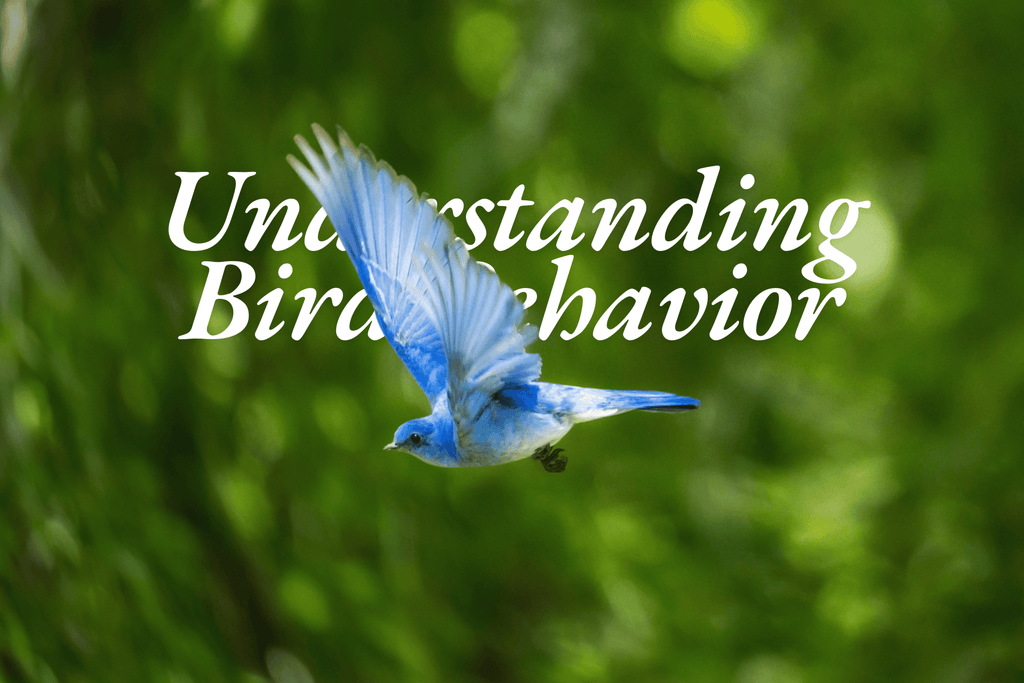
Do you want to capture stunning photos of birds that show their true beauty and unique behavior? Learning how to photograph birds and understand their actions can turn your snapshots into captivating stories.
Imagine freezing a bird in mid-flight or catching a rare moment of its daily routine. This guide will help you see birds through a new lens, improve your skills, and make your photos stand out. Keep reading, and you’ll discover simple tips and secrets that anyone can use to take amazing bird photos.

Credit: store.bandccamera.com
Gear For Bird Photography
Bird photography requires specific gear to capture sharp, detailed images. Choosing the right equipment helps reveal bird behavior clearly. The right tools make a big difference in your photos.
Choosing The Right Lens
A telephoto lens is best for bird photography. It lets you photograph birds from a distance without disturbing them. Lenses with focal lengths of 300mm or more work well. Zoom lenses offer flexibility to frame shots easily. Prime lenses usually provide sharper images but are less versatile. Consider weight too; heavy lenses can tire you quickly in the field.
Camera Settings For Sharp Shots
Fast shutter speed freezes bird movement. Use 1/1000 seconds or faster for flying birds. A wide aperture helps blur the background and isolate the bird. Adjust ISO to keep the image bright without noise. Continuous autofocus tracks moving birds better. Burst mode increases chances of capturing the perfect moment.
Essential Accessories
- Tripod or monopod for camera stability
- Extra batteries for long shoots
- Memory cards with ample storage
- Lens hood to reduce glare
- Camouflage clothing or blinds to stay hidden
- Cleaning kit to maintain gear
Credit: www.oreilly.com
Finding And Approaching Birds
Finding and approaching birds requires patience and respect for their space. Birds are easily startled, so moving slowly and quietly is key. Understanding their habits helps you get closer without causing alarm. Preparation before the shoot increases your chances of great photos and observing natural behavior.
Best Locations And Times
Birds gather where food and water are plentiful. Parks, wetlands, forests, and gardens attract many species. Early morning and late afternoon offer soft light and active birds. Dawn is ideal for songbirds, while waterfowl appear more at dusk. Visit locations regularly to learn bird routines and favorite spots.
Camouflage And Stealth Techniques
Blend with the environment using earth-tone clothing. Avoid bright colors that can scare birds away. Move slowly and pause often to avoid sudden motions. Use natural cover like bushes and trees to stay hidden. Silence helps; minimize noise from gear and footsteps. Patience pays off—wait quietly for the right moment.
Capturing Bird Behavior
Capturing bird behavior adds life and story to your photos. It shows birds in their natural world, not just posing. Understanding their actions helps you predict moments worth photographing. Patience and attention bring rewarding shots of birds interacting with nature.
Recognizing Common Behaviors
Birds display many common behaviors that reveal their moods and intentions. Watching these helps you prepare your camera at the right time.
- Preening: Birds clean and arrange their feathers. This shows comfort and care.
- Feeding: Birds hunt or eat seeds. Action here can be quick and exciting.
- Calling: Birds open their beaks to make sounds. These moments often show emotion.
- Nesting: Building or protecting nests shows family care and safety.
- Flight: Birds take off, land, or soar. Each phase offers different photo chances.
Timing For Action Shots
Action shots require precise timing. Birds move fast during feeding or flight. Prepare your camera settings before the moment.
- Use burst mode to capture several photos quickly.
- Focus on the bird’s eyes to keep shots sharp.
- Anticipate movement by watching the bird’s behavior closely.
- Early morning and late afternoon offer better light and more activity.
- Stay still and quiet to avoid startling the bird.
Post-processing Tips
Post-processing your bird photographs is where your images truly come to life. It’s your chance to bring out hidden details and make the colors pop without losing the natural essence of the bird and its behavior. The right adjustments can turn a good shot into a captivating one that tells a story.
Enhancing Details
Start by sharpening the bird’s feathers and eyes to draw attention to key features. Use tools like clarity and texture carefully; too much can make the image look unnatural. Zoom in on the bird’s eye and enhance it subtly—this small step often creates a stronger connection with viewers.
Noise reduction is another important aspect, especially if you shot in low light or at high ISO. Smooth out the background to keep the focus on your subject, but preserve the fine details in the feathers. Have you noticed how a crisp eye and detailed feathers can elevate your photo’s impact?
Balancing Colors And Exposure
Correcting exposure is crucial if your bird is backlit or in shadow. Adjust highlights and shadows to reveal hidden textures and maintain a natural look. Avoid over-brightening—birds often look best with subtle, realistic lighting.
When balancing colors, pay attention to the bird’s natural hues. Sometimes increasing vibrance is better than saturation to keep colors vivid without going overboard. Use white balance adjustments to fix color casts caused by early morning or late afternoon light.
Think about your favorite bird photos—what color balance makes them stand out? Experiment with these settings to find your own style while respecting the bird’s true colors. Your post-processing choices can make viewers feel like they’re right there watching the bird’s behavior unfold.

Credit: digital-photography-school.com
Frequently Asked Questions
How Do I Start Photographing Birds?
To start photographing birds, use a camera with a zoom lens. Early mornings and late afternoons offer optimal lighting. Patience and practice are key. Begin with common birds in your area to hone your skills. Learn bird behaviors to anticipate their actions for better shots.
What Equipment Is Best For Bird Photography?
For bird photography, a DSLR or mirrorless camera with a telephoto lens is ideal. A 300mm lens or longer is recommended. A sturdy tripod helps stabilize shots. Consider using a fast memory card to capture quick movements. Binoculars can help spot birds from a distance.
How Can I Capture Bird Behavior Effectively?
To capture bird behavior, observe patiently and learn their habits. Understand their feeding, mating, and nesting patterns. Use continuous shooting mode to capture fast movements. Blending into the environment helps avoid disturbing them. Anticipate actions by understanding bird body language.
What Are The Best Settings For Bird Photography?
Use a fast shutter speed to freeze motion, around 1/1000s or faster. A wide aperture, like f/5. 6, helps blur the background. Set ISO to auto for fluctuating light conditions. Continuous autofocus mode is essential for tracking moving birds. Experiment with settings to suit your environment.
Conclusion
Photographing birds and their behavior takes patience and care. Watch quietly and wait for the right moment. Use simple tools and practice often to improve your shots. Study bird habits to predict their moves. Focus on natural light to make images clear and bright.
Enjoy the process of capturing nature’s beauty. Keep learning and exploring different techniques. This hobby brings peace and connection with wildlife. Try to respect birds and their environment always. Happy bird photography!